THE ADVENTURE COLLECTIVE® · Independent discovery and booking for outdoor travel

Walk 2.8 miles through Falls Park and downtown Sioux Falls to see waterfalls, Sioux Quartzite outcrops, Queen Bee Mill ruins, and public art. This relaxed yet informative route blends geology, civic history, and riverfront views in about 1–2 hours.
Walk 2.8 miles through Falls Park and downtown Sioux Falls to see waterfalls, Sioux Quartzite outcrops, Queen Bee Mill ruins, and public art. This relaxed yet informative route blends geology, civic history, and riverfront views in about 1–2 hours.
The walk begins at the edge of the Big Sioux River where water forces its way over Sioux Quartzite and the falls dare you to stop and listen. Winded by spray and city noise, visitors climb an observation tower for a wide, working-city view—shipyards of stone and bridges, the old power plant, and the rust-tinted rooflines that mark industrial chapters of Sioux Falls.
Verified experiences and guided adventures in the surrounding area.
Operated by Stroll The Cities · Sioux Falls, South Dakota
The walk begins at the edge of the Big Sioux River where water forces its way over Sioux Quartzite and the falls dare you to stop and listen. Winded by spray and city noise, visitors climb an observation tower for a wide, working-city view—shipyards of stone and bridges, the old power plant, and the rust-tinted rooflines that mark industrial chapters of Sioux Falls.
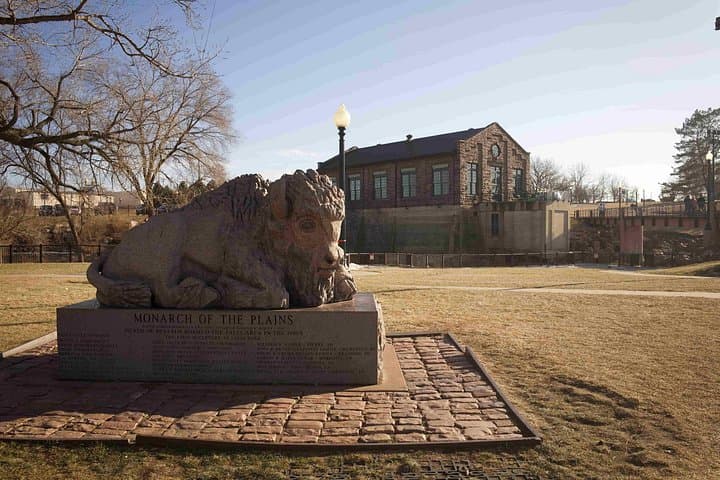
This 2.8-mile loop threads local geology, industry, and civic life: the pinkish Sioux Quartzite that forms the falls, the 19th-century Queen Bee Mill and its short-lived boom, and the former state penitentiary that shaped civic order. Cultural touchstones—Arc of Dreams, SculptureWalk, the Old Courthouse Museum, and Phillips Avenue—map how commerce and art meet the river.
Along Phillips Avenue and the Cathedral District, architectural details tell stories of immigrant builders and civic ambition; the Levitt Shell and Washington Pavilion speak to the city’s performing-arts investment. The Smithfield plant’s silhouette is a reminder that this river supported industry as much as leisure.
Practical side: allow 60–120 minutes and wear supportive shoes—paved sidewalks cover most of the route but expect uneven stone and a few short stair sections. Morning or late afternoon reduces heat and gives softer light for photos. Bring water, a compact rain layer in spring/fall, and a charged phone for maps; the tour is largely stroller-friendly but enquire about specific accessibility stops. This is an urban stroll that feels like a short expedition—easy to plan, rich in local texture, and rewarding for first-time visitors and repeat walkers alike.
Expect about 60–120 minutes depending on stops and photo breaks; the advertised loop is 2.8 miles.
Much of the route is paved and stroller-accessible, but there are some historic steps and uneven surfaces—ask the operator about alternate routing for specific accessibility needs.
Service animals are allowed; for general pets check local rules—downtown sidewalks and Falls Park allow dogs on leash in many areas but always follow signage.
Tours are subject to cancellation in bad weather; check the operator’s policy and dress in layers so light rain won't end your outing.
Stroll The Cities operates guided outdoor trips and adventures with an emphasis on safety, stewardship, and memorable experiences.
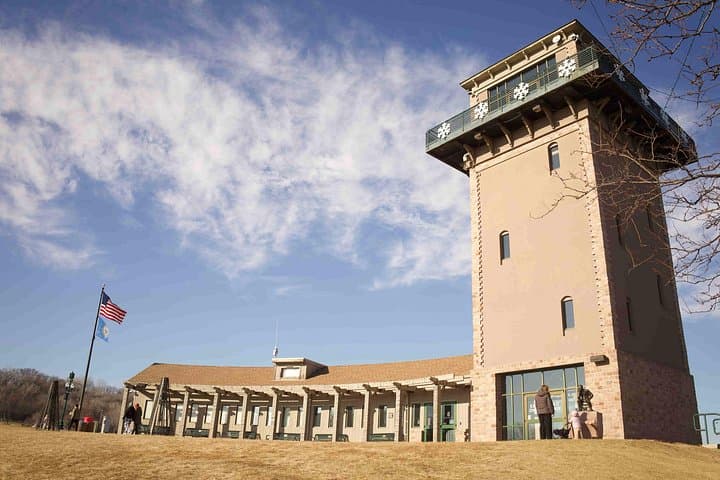
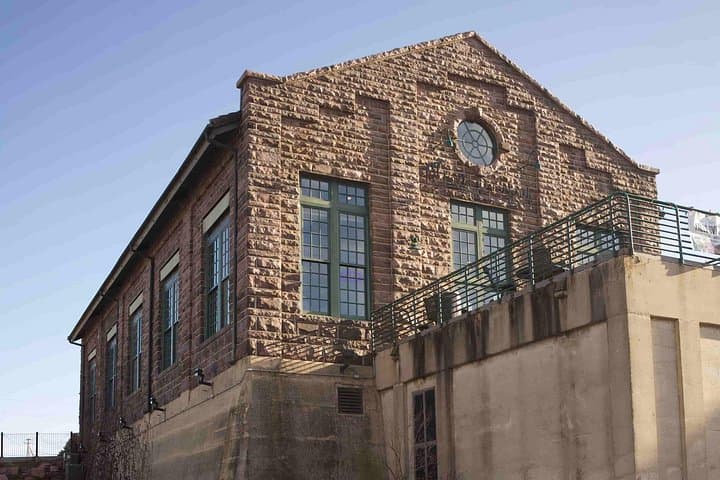
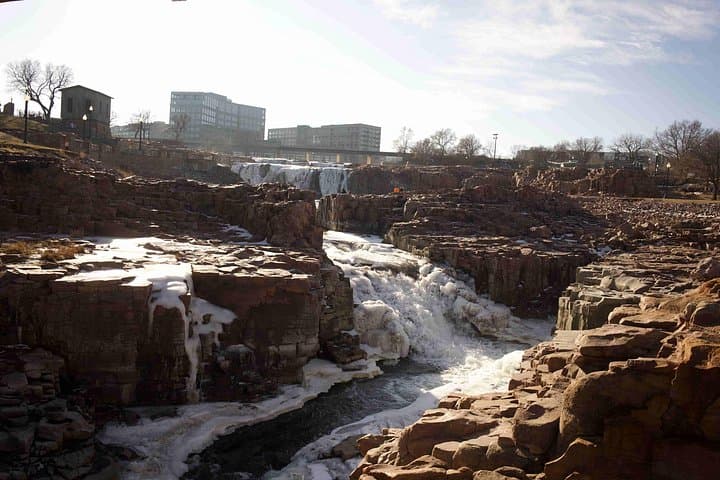
The walk begins at the edge of the Big Sioux River where water forces its way over Sioux Quartzite and the falls dare you to stop and listen. Winded by spray and city noise, visitors climb an observation tower for a wide, working-city view—shipyards of stone and bridges, the old power plant, and the rust-tinted rooflines that mark industrial chapters of Sioux Falls.
The walk begins at the edge of the Big Sioux River where water forces its way over Sioux Quartzite and the falls dare you to stop and listen. Winded by spray and city noise, visitors climb an observation tower for a wide, working-city view—shipyards of stone and bridges, the old power plant, and the rust-tinted rooflines that mark industrial chapters of Sioux Falls.
This 2.8-mile loop threads local geology, industry, and civic life: the pinkish Sioux Quartzite that forms the falls, the 19th-century Queen Bee Mill and its short-lived boom, and the former state penitentiary that shaped civic order. Cultural touchstones—Arc of Dreams, SculptureWalk, the Old Courthouse Museum, and Phillips Avenue—map how commerce and art meet the river.
Along Phillips Avenue and the Cathedral District, architectural details tell stories of immigrant builders and civic ambition; the Levitt Shell and Washington Pavilion speak to the city’s performing-arts investment. The Smithfield plant’s silhouette is a reminder that this river supported industry as much as leisure.
Practical side: allow 60–120 minutes and wear supportive shoes—paved sidewalks cover most of the route but expect uneven stone and a few short stair sections. Morning or late afternoon reduces heat and gives softer light for photos. Bring water, a compact rain layer in spring/fall, and a charged phone for maps; the tour is largely stroller-friendly but enquire about specific accessibility stops. This is an urban stroll that feels like a short expedition—easy to plan, rich in local texture, and rewarding for first-time visitors and repeat walkers alike.