THE ADVENTURE COLLECTIVE® · Independent discovery and booking for outdoor travel

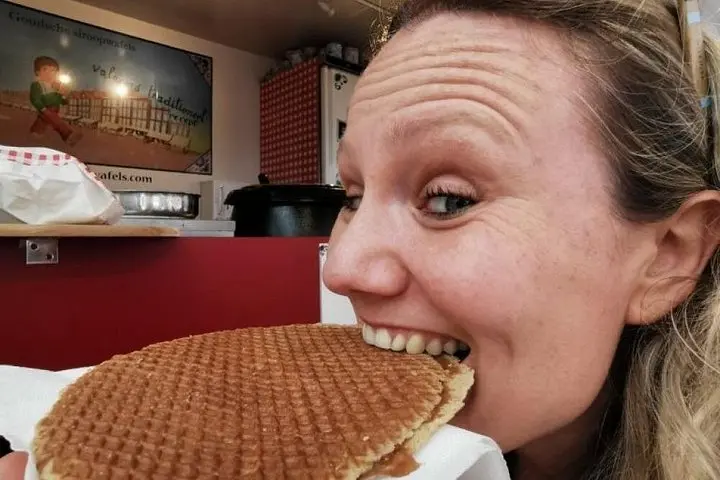
Taste your way through De Pijp on a guided walking tour that pairs classic Dutch street foods with family-run stalls and insider stories. In roughly 90–105 minutes you’ll sample poffertjes, croquettes, and a traditional stroopwafel while learning the neighborhood’s culinary history.
Taste your way through De Pijp on a guided walking tour that pairs classic Dutch street foods with family-run stalls and insider stories. In roughly 90–105 minutes you’ll sample poffertjes, croquettes, and a traditional stroopwafel while learning the neighborhood’s culinary history.
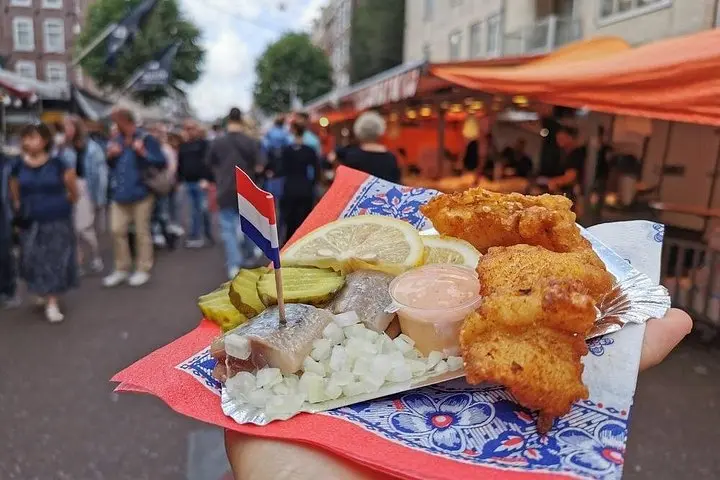
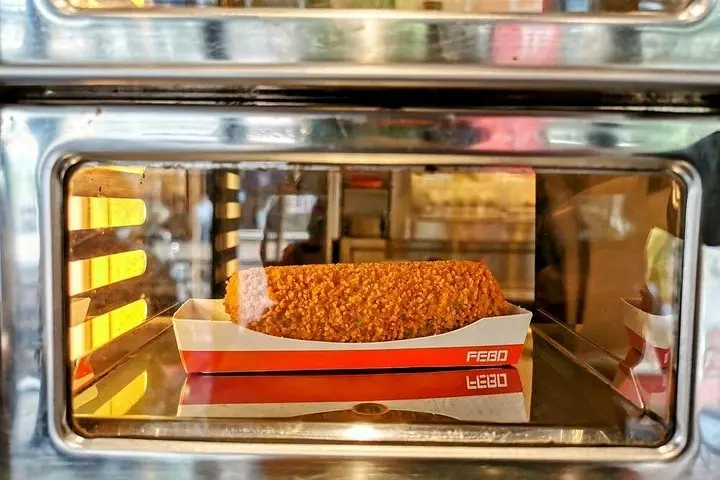
You meet your guide outside the bright yellow FEBO automatiek, the click of pastry cases and chatter of market vendors folding into the morning air. De Pijp unfurls around you: narrow streets, canal edges, and the Albert Cuyp Market stalls that have fed Amsterdam for generations. The smell of frying batter and caramelized sugar pulls you from shopfront to stall.
Verified experiences and guided adventures in the surrounding area.
Operated by Who Is Amsterdam Tours · Amsterdam, North Holland
You meet your guide outside the bright yellow FEBO automatiek, the click of pastry cases and chatter of market vendors folding into the morning air. De Pijp unfurls around you: narrow streets, canal edges, and the Albert Cuyp Market stalls that have fed Amsterdam for generations. The smell of frying batter and caramelized sugar pulls you from shopfront to stall.
De Pijp grew out of 19th-century expansion—once working-class blocks built atop soft clay and reclaimed peat—so the district’s streets feel compact and lived-in. The Albert Cuyp Market, operating since the early 1900s, still hosts family businesses where recipes pass from one generation to the next. Geology shows in the canals: wooden pilings and brick quays hold water steady while vendors set up on cobbles.
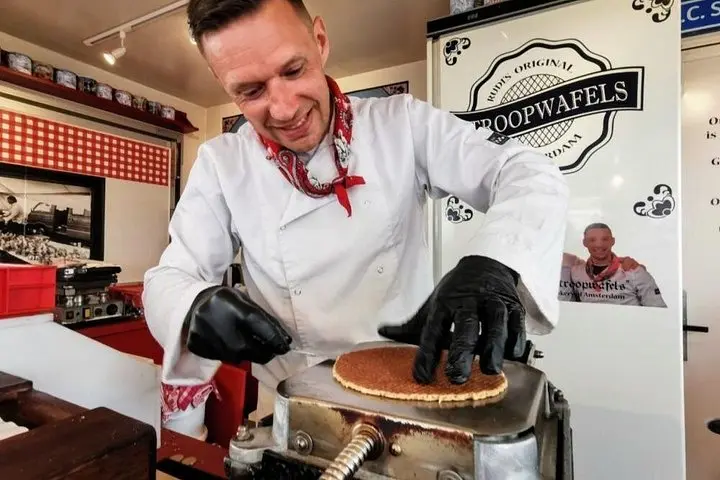
Your guide links bites to stories: the croquette’s Dutch comfort-food roots, poffertjes cooked on cast-iron plates, and a 45-year-old family stroopwafel maker who bakes on-site. Expect conversation with owners, quick demos, and recommendations for the rest of your stay—learn which stalls source local cheese or pear brandy.
Practicalities are straightforward: the tour runs about 1.5–2 hours on mostly flat pavement; food and drinks are purchased a la carte (average spend ~€25). Wear comfortable walking shoes, bring a small pack for purchases, and allow time to wander after the guided stops. Go mid-morning to avoid the heaviest crowds, and carry a reusable bag to reduce waste—this is an urban food walk that feeds curiosity as much as appetite.
No—the guide points out 5–7 family stalls and recommends items, but you pay individually; visitors typically spend about €25.
Yes—De Pijp is stroller-accessible and the route is family-friendly, though some stalls have limited seating.
Vegetarian options are available at several stops, but the tour isn’t recommended for strict vegans or those on a gluten-free diet; inform the guide of major allergies beforehand.
Shared tours are small—typically up to 10 guests—so you’ll get personal attention and access to family-run vendors.
Who Is Amsterdam Tours operates guided outdoor trips and adventures with an emphasis on safety, stewardship, and memorable experiences.
You meet your guide outside the bright yellow FEBO automatiek, the click of pastry cases and chatter of market vendors folding into the morning air. De Pijp unfurls around you: narrow streets, canal edges, and the Albert Cuyp Market stalls that have fed Amsterdam for generations. The smell of frying batter and caramelized sugar pulls you from shopfront to stall.
You meet your guide outside the bright yellow FEBO automatiek, the click of pastry cases and chatter of market vendors folding into the morning air. De Pijp unfurls around you: narrow streets, canal edges, and the Albert Cuyp Market stalls that have fed Amsterdam for generations. The smell of frying batter and caramelized sugar pulls you from shopfront to stall.
De Pijp grew out of 19th-century expansion—once working-class blocks built atop soft clay and reclaimed peat—so the district’s streets feel compact and lived-in. The Albert Cuyp Market, operating since the early 1900s, still hosts family businesses where recipes pass from one generation to the next. Geology shows in the canals: wooden pilings and brick quays hold water steady while vendors set up on cobbles.
Your guide links bites to stories: the croquette’s Dutch comfort-food roots, poffertjes cooked on cast-iron plates, and a 45-year-old family stroopwafel maker who bakes on-site. Expect conversation with owners, quick demos, and recommendations for the rest of your stay—learn which stalls source local cheese or pear brandy.
Practicalities are straightforward: the tour runs about 1.5–2 hours on mostly flat pavement; food and drinks are purchased a la carte (average spend ~€25). Wear comfortable walking shoes, bring a small pack for purchases, and allow time to wander after the guided stops. Go mid-morning to avoid the heaviest crowds, and carry a reusable bag to reduce waste—this is an urban food walk that feeds curiosity as much as appetite.