THE ADVENTURE COLLECTIVE® · Independent discovery and booking for outdoor travel

A compact, cultural day trip from Ohrid that pairs Struga’s riverside history and rare cave churches with the powerful karst springs of Vevchani. Ideal for travelers who want folklore, frescoes, and short walks into dramatic limestone openings.
A compact, cultural day trip from Ohrid that pairs Struga’s riverside history and rare cave churches with the powerful karst springs of Vevchani. Ideal for travelers who want folklore, frescoes, and short walks into dramatic limestone openings.
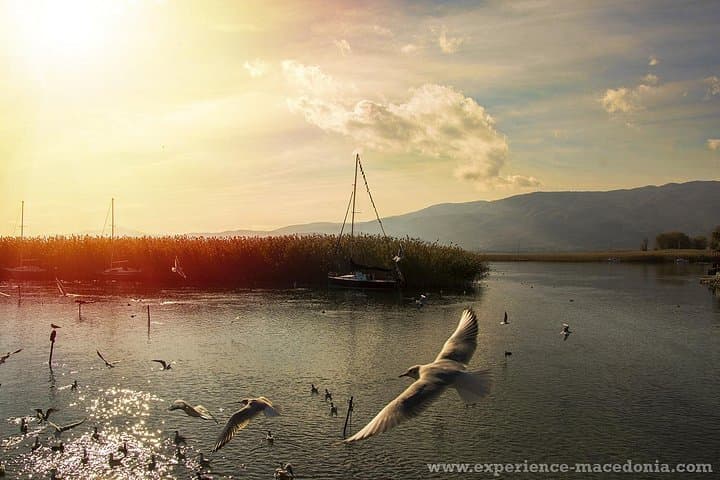
You step out of Ohrid’s morning hush and the car hums toward the low hills where Lake Ohrid hands its water to the Black Drim; the town of Struga waits with a narrow river and a long tradition of poetry. The drive is short—roughly 25–35 minutes—so the day unfolds as a string of intimate sites rather than a single summit.
Verified experiences and guided adventures in the surrounding area.
Operated by Experience Balkan · Ohrid, Ohrid Municipality
You step out of Ohrid’s morning hush and the car hums toward the low hills where Lake Ohrid hands its water to the Black Drim; the town of Struga waits with a narrow river and a long tradition of poetry. The drive is short—roughly 25–35 minutes—so the day unfolds as a string of intimate sites rather than a single summit.
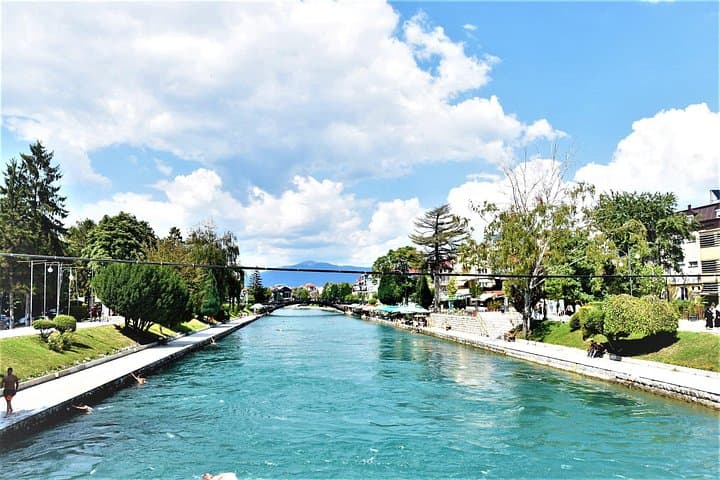
Struga’s riverside lock marks a hydrological crossroads: Lake Ohrid spills into the Drim and the town stages the annual Struga Poetry Evenings, a cultural pulse that gives context to the region’s human stories. From there the tour threads through small villages—Kalishta and Radozda—stopping at chapel-shrines where iconography takes a darker palette and folk belief still colors daily life.
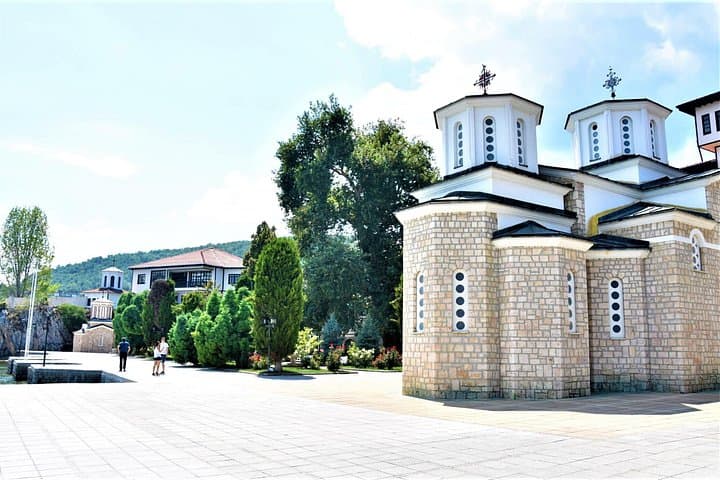
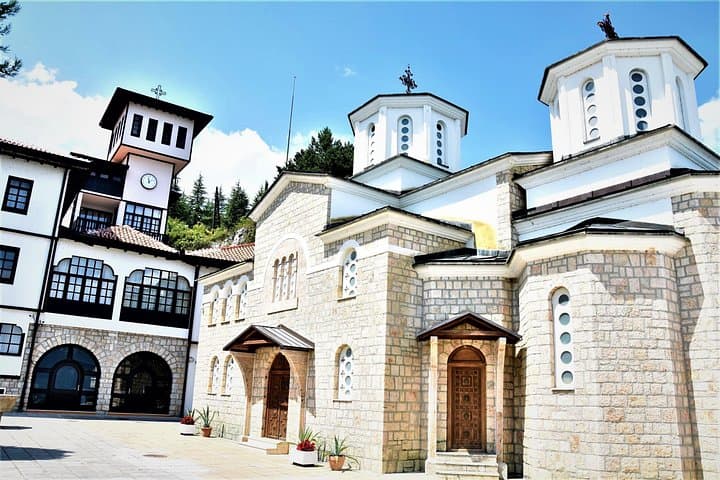
The cave church of St. Archangel Michael is the geological highlight: a structure built into a limestone hollow with frescoes mainly from the 14th century and one surviving 13th-century panel. Higher on the eastern slope of the Jablanica range, the Vevchani springs erupt at about 900 m elevation; water pours from cave mouths with a force that compels attention, pushing the valley air into motion.
Practically, expect brief walks on uneven, sometimes muddy trails; sites are compact but include steps and low-light interiors in caves. Carry layered clothing—the temperature can drop as you climb—sturdy shoes, cash for small donations or local purchases, and a camera with a low-light setting. The full excursion is a comfortable six-hour private tour with transfers from Ohrid, suited for travelers who want cultural texture and quick access to dramatic karst springs rather than a strenuous hike.
The tour lasts about six hours with short guided stops—most visits include brief walks of 10–30 minutes at each site and time for photos and explanation.
Cave churches have uneven steps and low ceilings; accessibility is limited—contact the operator ahead to discuss specific needs.
Transfers are included but meals are not; bring snacks and water or plan to buy refreshments in village cafes if available.
Yes—this is a private excursion with instant confirmation but bookings are recommended to secure preferred pickup times.
Experience Balkan operates guided outdoor trips and adventures with an emphasis on safety, stewardship, and memorable experiences.
You step out of Ohrid’s morning hush and the car hums toward the low hills where Lake Ohrid hands its water to the Black Drim; the town of Struga waits with a narrow river and a long tradition of poetry. The drive is short—roughly 25–35 minutes—so the day unfolds as a string of intimate sites rather than a single summit.
You step out of Ohrid’s morning hush and the car hums toward the low hills where Lake Ohrid hands its water to the Black Drim; the town of Struga waits with a narrow river and a long tradition of poetry. The drive is short—roughly 25–35 minutes—so the day unfolds as a string of intimate sites rather than a single summit.
Struga’s riverside lock marks a hydrological crossroads: Lake Ohrid spills into the Drim and the town stages the annual Struga Poetry Evenings, a cultural pulse that gives context to the region’s human stories. From there the tour threads through small villages—Kalishta and Radozda—stopping at chapel-shrines where iconography takes a darker palette and folk belief still colors daily life.
The cave church of St. Archangel Michael is the geological highlight: a structure built into a limestone hollow with frescoes mainly from the 14th century and one surviving 13th-century panel. Higher on the eastern slope of the Jablanica range, the Vevchani springs erupt at about 900 m elevation; water pours from cave mouths with a force that compels attention, pushing the valley air into motion.
Practically, expect brief walks on uneven, sometimes muddy trails; sites are compact but include steps and low-light interiors in caves. Carry layered clothing—the temperature can drop as you climb—sturdy shoes, cash for small donations or local purchases, and a camera with a low-light setting. The full excursion is a comfortable six-hour private tour with transfers from Ohrid, suited for travelers who want cultural texture and quick access to dramatic karst springs rather than a strenuous hike.