THE ADVENTURE COLLECTIVE® · Independent discovery and booking for outdoor travel

Watch the sun drop over the Indian Ocean from Sublime Point, walk a 300 m raised ebony boardwalk, then board an open-air night safari through restored forest. This private sundowner pairs panoramic views with hands-on conservation insight.
Watch the sun drop over the Indian Ocean from Sublime Point, walk a 300 m raised ebony boardwalk, then board an open-air night safari through restored forest. This private sundowner pairs panoramic views with hands-on conservation insight.
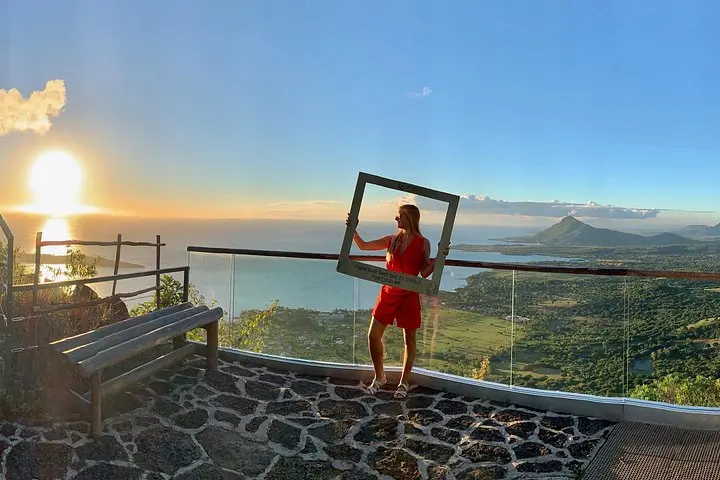
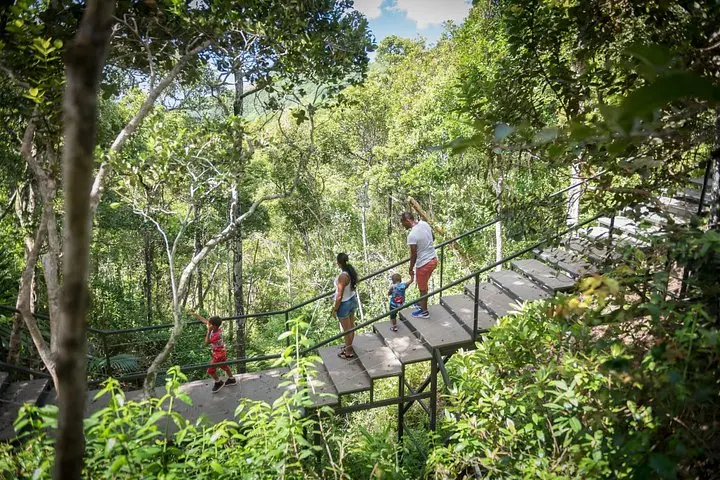
Late-afternoon light pours across the western rim as the wind pushes cool ocean air up the slope toward Sublime Point. You arrive just before sunset, stepping onto a 300 m raised walkway that threads through an ancient ebony stand; the trees lean and whisper, and the Indian Ocean beyond follows the sun into color.
Verified experiences and guided adventures in the surrounding area.
Operated by Ebony Forest Chamarel · Chamarel, Rivière Noire District
Late-afternoon light pours across the western rim as the wind pushes cool ocean air up the slope toward Sublime Point. You arrive just before sunset, stepping onto a 300 m raised walkway that threads through an ancient ebony stand; the trees lean and whisper, and the Indian Ocean beyond follows the sun into color.
Ebony Forest sits on the volcanic slopes of southwestern Mauritius, a remnant of island rainforest where endemic plants and birds once thrived before colonial logging. The reserve’s raised boardwalk, a short network of self-guided loops (roughly 0.5–2 km total), puts you among century-old ebony and rare understorey plants while a small museum (authored by bird expert Dr. Julian Hume) traces local natural history and extinctions — the dodo’s shadow is never far from the story here.
As daylight fades, an open-air safari jeep carries the group through shaded tracks; keep an eye out for the pink pigeon and kestrel, and listen for endemic frog calls. The terrain is mostly packed earth with short slopes — expect modest elevation change (under ~150 m cumulative) and uneven boardwalk planks.
Practical edge: arrive 30–45 minutes before sunset for the best views and photos, bring insect repellent and a headlamp for the return, and wear stout shoes for the walkway. The experience is family-friendly and lasts about three hours; parts of the reserve (shop, museum, toilets) are wheelchair-accessible but the raised walkway and hillside trails may be limited for mobility devices. Book ahead for private-sundowner slots, especially during high season, and consider contributing to local reforestation programs when you visit.
Parts of the reserve like the museum, shop and toilets are accessible, but the raised walkway and many hillside trails have limited access — contact the operator for specific assistance or route options.
The tour lasts about three hours and includes access to the 300 m raised walkway, a short self-guided trail network, a museum film, snacks/drinks at Sublime Point and a guided open-air safari jeep ride at dusk.
Yes — the experience is family-friendly, though parents should supervise young children on the elevated boardwalk and during the night safari portions.
The reserve is reached by road from Chamarel village; many visitors stay in western coastal resorts (e.g., Flic en Flac or Le Morne) and drive 30–60 minutes. Public transport options exist but are limited — check local schedules or arrange private transfer.
Ebony Forest Chamarel operates guided outdoor trips and adventures with an emphasis on safety, stewardship, and memorable experiences.


Late-afternoon light pours across the western rim as the wind pushes cool ocean air up the slope toward Sublime Point. You arrive just before sunset, stepping onto a 300 m raised walkway that threads through an ancient ebony stand; the trees lean and whisper, and the Indian Ocean beyond follows the sun into color.
Late-afternoon light pours across the western rim as the wind pushes cool ocean air up the slope toward Sublime Point. You arrive just before sunset, stepping onto a 300 m raised walkway that threads through an ancient ebony stand; the trees lean and whisper, and the Indian Ocean beyond follows the sun into color.
Ebony Forest sits on the volcanic slopes of southwestern Mauritius, a remnant of island rainforest where endemic plants and birds once thrived before colonial logging. The reserve’s raised boardwalk, a short network of self-guided loops (roughly 0.5–2 km total), puts you among century-old ebony and rare understorey plants while a small museum (authored by bird expert Dr. Julian Hume) traces local natural history and extinctions — the dodo’s shadow is never far from the story here.
As daylight fades, an open-air safari jeep carries the group through shaded tracks; keep an eye out for the pink pigeon and kestrel, and listen for endemic frog calls. The terrain is mostly packed earth with short slopes — expect modest elevation change (under ~150 m cumulative) and uneven boardwalk planks.
Practical edge: arrive 30–45 minutes before sunset for the best views and photos, bring insect repellent and a headlamp for the return, and wear stout shoes for the walkway. The experience is family-friendly and lasts about three hours; parts of the reserve (shop, museum, toilets) are wheelchair-accessible but the raised walkway and hillside trails may be limited for mobility devices. Book ahead for private-sundowner slots, especially during high season, and consider contributing to local reforestation programs when you visit.