THE ADVENTURE COLLECTIVE® · Independent discovery and booking for outdoor travel
Spend a half-day learning the etiquette and sensory rules of Japanese hot spring bathing at Sukayu, home of the famous Sennin-buro. This private guided experience mixes hands-on instruction with a meal and a short walk around the hot-spring pond.
Spend a half-day learning the etiquette and sensory rules of Japanese hot spring bathing at Sukayu, home of the famous Sennin-buro. This private guided experience mixes hands-on instruction with a meal and a short walk around the hot-spring pond.
Steam threads across a gray morning as a small car climbs toward Sukayu Hot Spring on the Hakkoda slopes. You step from the vehicle into air that smells faintly of iron and earth; the hotel’s long, wooden facade holds the low heat of centuries of bathing culture.
Verified experiences and guided adventures in the surrounding area.
Operated by Tomio Yokouchi · Aomori, Aomori Prefecture
Steam threads across a gray morning as a small car climbs toward Sukayu Hot Spring on the Hakkoda slopes. You step from the vehicle into air that smells faintly of iron and earth; the hotel’s long, wooden facade holds the low heat of centuries of bathing culture.
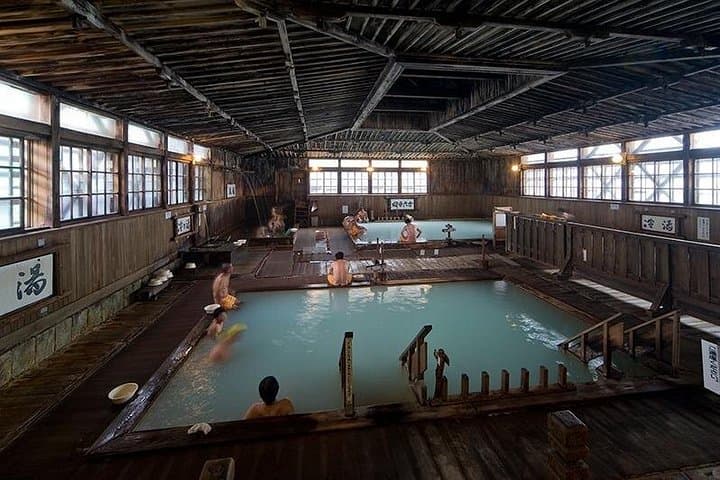
Sukayu is best known for its Sennin-buro — the thousand-person bath — a communal tub with deep mineral-rich water used for generations. The spring sits where volcanic geology pushes hot groundwater to the surface; the sulfurous scent and cloudy water tell a simple geological story of heat, rock, and time. Historically the onsen has been a stop for travelers crossing the Hakkoda range and a local ritual site tied to seasonal festivals and mountain work.
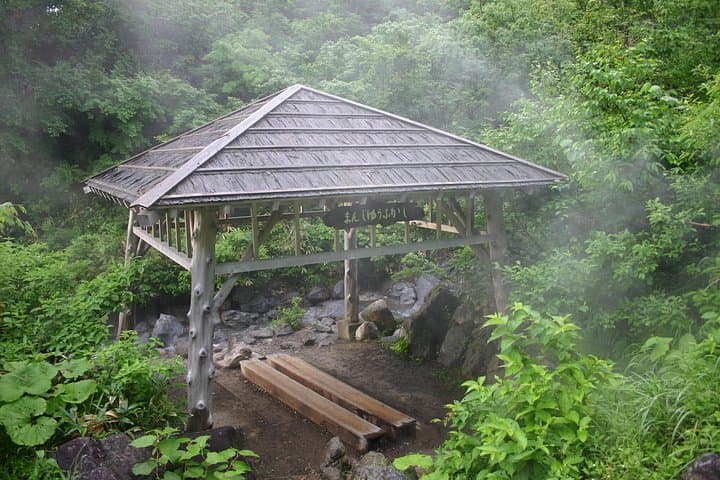
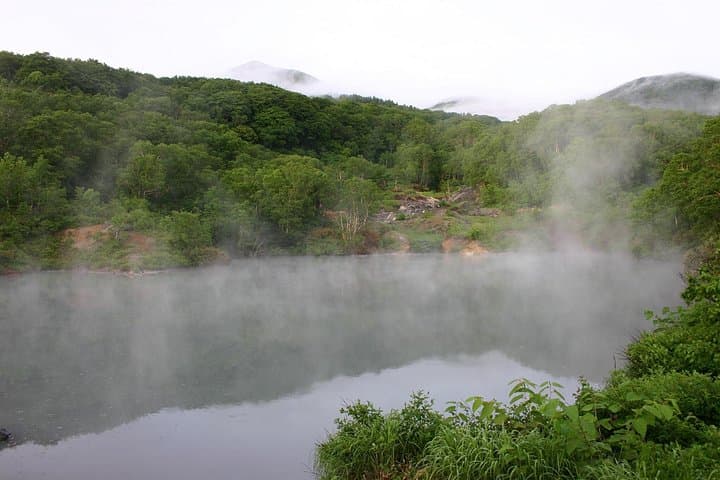
A private guide will explain Japanese bathing etiquette — cleansing before entry, modesty rules, and options for rented bathing cloths if you prefer coverage. The tour generally includes a meal of soba noodles, a walk around the steamed pond, and a chance to sit on a bench warmed by spring water while the surrounding forest keeps an eye on you.
Practically: the program runs about four hours, requires minimal fitness, and is best scheduled in the morning for quieter bathing times (women-only Sennin-buro windows exist). Tattoos larger than typical sticker covers may be restricted. Transportation is by private car (additional gas fee). Bring a towel, spare clothes, and time to move slowly — the onsen asks that visitors respect quiet and the bathing rituals. This half-day balances cultural instruction with hands-on practice, ideal for travelers who want an informed, respectful onsen experience without a full overnight stay.
Traditional communal baths require no clothing; however, you can rent a small bathing cloth at many facilities for modesty in mixed areas.
Large tattoos are often prohibited; small tattoos can be covered with on-site sticker covers for a fee—check size rules ahead of booking.
Yes — the tour typically includes private car transport from JR Aomori Station, though the host may charge a gas contribution.
Hot springs can stress the cardiovascular system; those with serious heart or blood pressure issues should consult a physician before bathing.
Tomio Yokouchi operates guided outdoor trips and adventures with an emphasis on safety, stewardship, and memorable experiences.
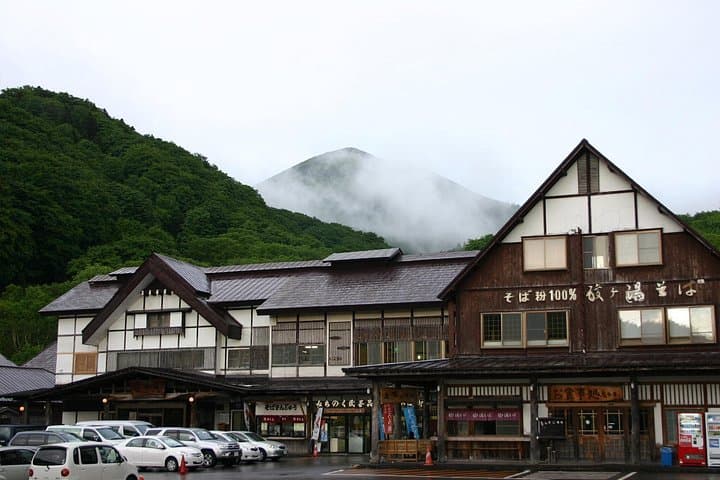
Steam threads across a gray morning as a small car climbs toward Sukayu Hot Spring on the Hakkoda slopes. You step from the vehicle into air that smells faintly of iron and earth; the hotel’s long, wooden facade holds the low heat of centuries of bathing culture.
Steam threads across a gray morning as a small car climbs toward Sukayu Hot Spring on the Hakkoda slopes. You step from the vehicle into air that smells faintly of iron and earth; the hotel’s long, wooden facade holds the low heat of centuries of bathing culture.
Sukayu is best known for its Sennin-buro — the thousand-person bath — a communal tub with deep mineral-rich water used for generations. The spring sits where volcanic geology pushes hot groundwater to the surface; the sulfurous scent and cloudy water tell a simple geological story of heat, rock, and time. Historically the onsen has been a stop for travelers crossing the Hakkoda range and a local ritual site tied to seasonal festivals and mountain work.
A private guide will explain Japanese bathing etiquette — cleansing before entry, modesty rules, and options for rented bathing cloths if you prefer coverage. The tour generally includes a meal of soba noodles, a walk around the steamed pond, and a chance to sit on a bench warmed by spring water while the surrounding forest keeps an eye on you.
Practically: the program runs about four hours, requires minimal fitness, and is best scheduled in the morning for quieter bathing times (women-only Sennin-buro windows exist). Tattoos larger than typical sticker covers may be restricted. Transportation is by private car (additional gas fee). Bring a towel, spare clothes, and time to move slowly — the onsen asks that visitors respect quiet and the bathing rituals. This half-day balances cultural instruction with hands-on practice, ideal for travelers who want an informed, respectful onsen experience without a full overnight stay.
