THE ADVENTURE COLLECTIVE® · Independent discovery and booking for outdoor travel

A compact, question-filled day through Stone Town’s alleys, markets and spice gardens, the Sultan Panorama Tour compresses Zanzibar’s centuries of history into a single, practical outing. Expect market noise, spice tastings and a respectful window into village life.
A compact, question-filled day through Stone Town’s alleys, markets and spice gardens, the Sultan Panorama Tour compresses Zanzibar’s centuries of history into a single, practical outing. Expect market noise, spice tastings and a respectful window into village life.
The morning air in Stone Town has a salt edge and the low sun draws long shadows from carved wooden doors and narrow alleyways. Walk past weathered coral walls as the call to prayer threads through the streets; vendors arrange bright spices and the dhow-strewn harbor glints beyond the rooftops.
Verified experiences and guided adventures in the surrounding area.
Operated by Bohobe Travels · Stone Town, Unguja
The morning air in Stone Town has a salt edge and the low sun draws long shadows from carved wooden doors and narrow alleyways. Walk past weathered coral walls as the call to prayer threads through the streets; vendors arrange bright spices and the dhow-strewn harbor glints beyond the rooftops.
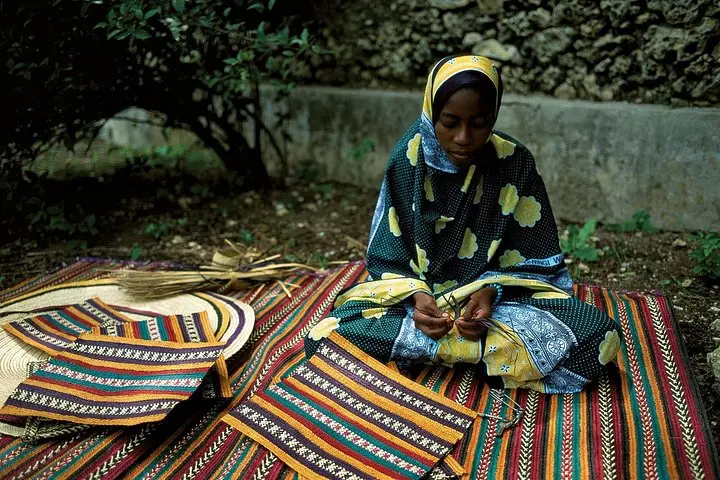
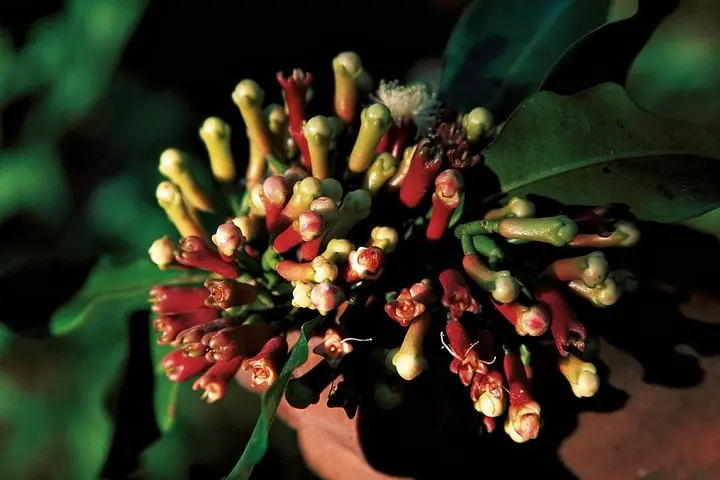
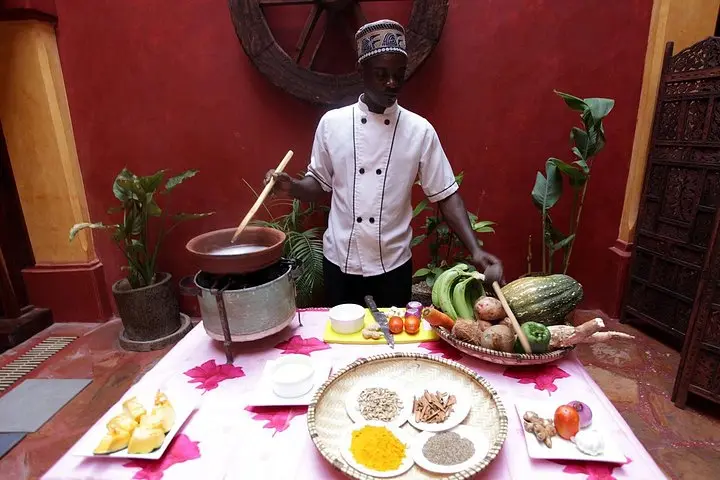
This full-day panorama traces layers of Zanzibar’s past: Omani sultans who shaped the archipelago, the slave trade that scarred the coastline, and the island’s pivotal role in the global spice economy. Stone Town’s compact stone-and-wood architecture reflects coral geology and centuries of Indian Ocean trade; at Darajani Market you’ll feel commerce as a lived, noisy ritual. A spice farm visit translates scent into story — clove, cinnamon and vanilla explained and sampled — while a local village stop shows contemporary Zanzibari life through cooking, weaving and neighborhood games.
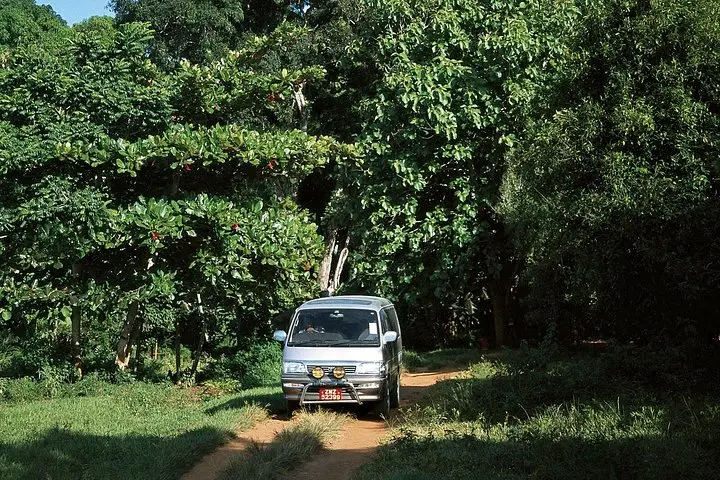
Practical guidance: tours run about 3–6 hours with hotel pickup typical in Stone Town; expect short walks on uneven pavements and muddy tracks at a spice garden. Bring a hat, sunscreen, and modest clothing for cultural sites; carry small bills for market purchases and donations. Photography is welcome but ask before shooting people, especially in village settings. If you’re traveling in the rainy months, a lightweight rain shell keeps you moving; in the dry season start early to avoid peak heat. Guides provide context and navigation — use them to deepen conversations about history and conservation while supporting local livelihoods.
The tour typically lasts 3–6 hours depending on traffic, group pace and how long you linger at markets and the spice farm.
Most operators include pickup from Stone Town hotels; confirm pickup point and time when booking.
Yes—this is a family-friendly, low-impact day with short walks; young children may enjoy spice tastings and village activities.
Yes, the tour includes the historic Slave Market and related sites with contextual interpretation from your guide.
Bohobe Travels operates guided outdoor trips and adventures with an emphasis on safety, stewardship, and memorable experiences.
The morning air in Stone Town has a salt edge and the low sun draws long shadows from carved wooden doors and narrow alleyways. Walk past weathered coral walls as the call to prayer threads through the streets; vendors arrange bright spices and the dhow-strewn harbor glints beyond the rooftops.
The morning air in Stone Town has a salt edge and the low sun draws long shadows from carved wooden doors and narrow alleyways. Walk past weathered coral walls as the call to prayer threads through the streets; vendors arrange bright spices and the dhow-strewn harbor glints beyond the rooftops.
This full-day panorama traces layers of Zanzibar’s past: Omani sultans who shaped the archipelago, the slave trade that scarred the coastline, and the island’s pivotal role in the global spice economy. Stone Town’s compact stone-and-wood architecture reflects coral geology and centuries of Indian Ocean trade; at Darajani Market you’ll feel commerce as a lived, noisy ritual. A spice farm visit translates scent into story — clove, cinnamon and vanilla explained and sampled — while a local village stop shows contemporary Zanzibari life through cooking, weaving and neighborhood games.
Practical guidance: tours run about 3–6 hours with hotel pickup typical in Stone Town; expect short walks on uneven pavements and muddy tracks at a spice garden. Bring a hat, sunscreen, and modest clothing for cultural sites; carry small bills for market purchases and donations. Photography is welcome but ask before shooting people, especially in village settings. If you’re traveling in the rainy months, a lightweight rain shell keeps you moving; in the dry season start early to avoid peak heat. Guides provide context and navigation — use them to deepen conversations about history and conservation while supporting local livelihoods.