THE ADVENTURE COLLECTIVE® · Independent discovery and booking for outdoor travel

An easy morning escape from Delhi: Sultanpur Bird Sanctuary hosts hundreds of resident and migratory species along shallow lakes and mudflats. This guided tour gives you three hours in the reserve with hotel pickup and local expertise.
An easy morning escape from Delhi: Sultanpur Bird Sanctuary hosts hundreds of resident and migratory species along shallow lakes and mudflats. This guided tour gives you three hours in the reserve with hotel pickup and local expertise.
The bus eases off the highway and the air changes — warmer, drier, punctuated by the calls of wagtails and crows. Within minutes the scrub and a shallow lake open up; reeds lean into the wind and waterfowl line the margins like watchful guests. Visitors step onto the boardwalk and binoculars come alive: kingfishers flash, stints probe mud, and a distant pelican folds its wings against the blue.
Verified experiences and guided adventures in the surrounding area.
Operated by Discover Activities · Gurgaon (Gurugram), Haryana
The bus eases off the highway and the air changes — warmer, drier, punctuated by the calls of wagtails and crows. Within minutes the scrub and a shallow lake open up; reeds lean into the wind and waterfowl line the margins like watchful guests. Visitors step onto the boardwalk and binoculars come alive: kingfishers flash, stints probe mud, and a distant pelican folds its wings against the blue.
Sultanpur Bird Sanctuary began as protected wetlands in the 1970s and sits on a low-lying alluvial plain shaped by monsoon-fed drains and seasonal inundation. The landscape is simple — open water, mudflats, short grass and thorny scrub — but its position on migratory routes gives it outsized importance for winter visitors from Central Asia.
The surrounding villages reflect Haryana’s agrarian rhythms; mornings bring tractors and the occasional temple bell while local guides point out resident and migratory species with practiced ease. Conservation here balances water management with tourism: seasonal water levels determine which species turn up and where to walk.
Practical guidance: arrive early (the birds are most active at first light), bring binoculars and a camera with a telephoto lens if you want close-up shots, and wear sun-protective clothing. Routes are flat but uneven; a moderate fitness level and steady footing are all that’s required. Tours typically last 5–6 hours including hotel pickup from Delhi or Gurugram, with around three hours on the reserve itself. Respect viewing hides and posted signs — quiet observation is the best way to see more birds and leave the sanctuary ready for the next flock.
Tours run about 5–6 hours with hotel pickup in Delhi/Gurgaon, transport, bottled water and a local guide; about three hours are spent inside the sanctuary.
Winter months (November–February) host the highest diversity of migrants; early morning visits maximize sightings year-round.
There are boardwalks and observation points, but some paths are uneven; accessibility is moderate — check with the operator for specifics and assistance options.
Entrance is typically handled as part of the tour price; if visiting independently there is a small park entry fee and rules for photography and drone use should be followed.
Discover Activities operates guided outdoor trips and adventures with an emphasis on safety, stewardship, and memorable experiences.
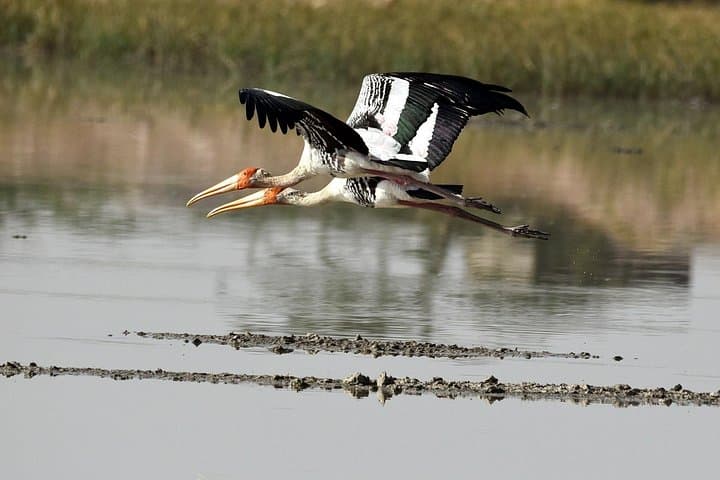

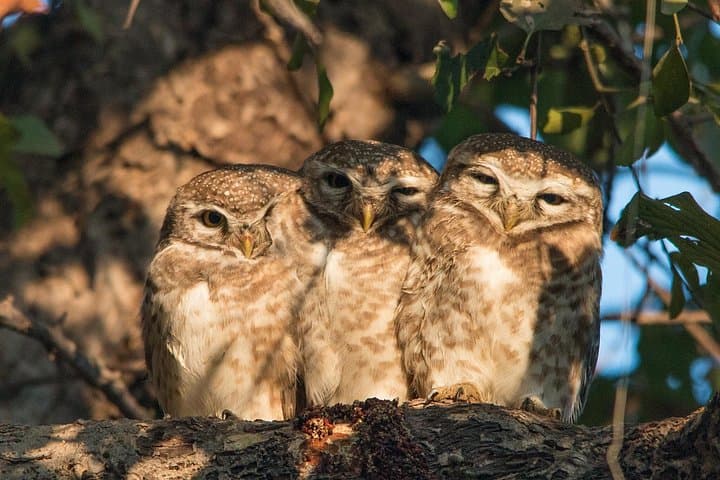

The bus eases off the highway and the air changes — warmer, drier, punctuated by the calls of wagtails and crows. Within minutes the scrub and a shallow lake open up; reeds lean into the wind and waterfowl line the margins like watchful guests. Visitors step onto the boardwalk and binoculars come alive: kingfishers flash, stints probe mud, and a distant pelican folds its wings against the blue.
The bus eases off the highway and the air changes — warmer, drier, punctuated by the calls of wagtails and crows. Within minutes the scrub and a shallow lake open up; reeds lean into the wind and waterfowl line the margins like watchful guests. Visitors step onto the boardwalk and binoculars come alive: kingfishers flash, stints probe mud, and a distant pelican folds its wings against the blue.
Sultanpur Bird Sanctuary began as protected wetlands in the 1970s and sits on a low-lying alluvial plain shaped by monsoon-fed drains and seasonal inundation. The landscape is simple — open water, mudflats, short grass and thorny scrub — but its position on migratory routes gives it outsized importance for winter visitors from Central Asia.
The surrounding villages reflect Haryana’s agrarian rhythms; mornings bring tractors and the occasional temple bell while local guides point out resident and migratory species with practiced ease. Conservation here balances water management with tourism: seasonal water levels determine which species turn up and where to walk.
Practical guidance: arrive early (the birds are most active at first light), bring binoculars and a camera with a telephoto lens if you want close-up shots, and wear sun-protective clothing. Routes are flat but uneven; a moderate fitness level and steady footing are all that’s required. Tours typically last 5–6 hours including hotel pickup from Delhi or Gurugram, with around three hours on the reserve itself. Respect viewing hides and posted signs — quiet observation is the best way to see more birds and leave the sanctuary ready for the next flock.