THE ADVENTURE COLLECTIVE® · Independent discovery and booking for outdoor travel

Hike 20 km south of Bogotá into Sumapaz, the largest páramo in the world, for a 3–4 hour trek to Boca Grande lake. Experience unique high-Andean flora and birdlife while learning why these moorlands are Colombia’s “water factories.”
Hike 20 km south of Bogotá into Sumapaz, the largest páramo in the world, for a 3–4 hour trek to Boca Grande lake. Experience unique high-Andean flora and birdlife while learning why these moorlands are Colombia’s “water factories.”
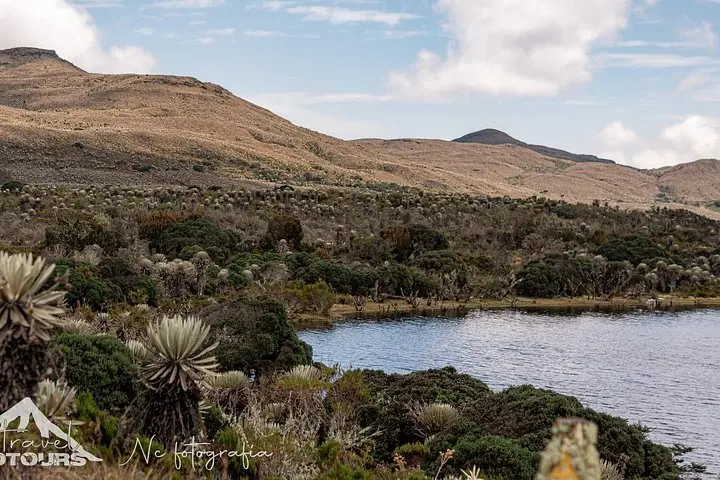
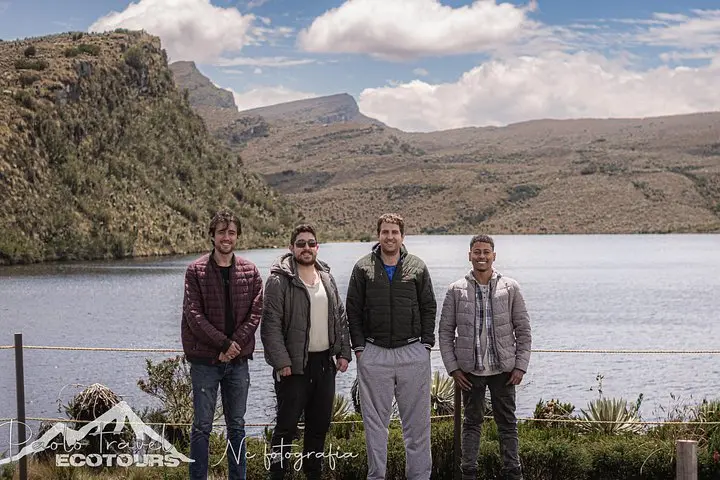
A cold wind crosses the high grass as you step from the air-conditioned van onto a wide, open moor. The sky is large here—sharp, thin, and close—while the ground underfoot changes from mossy forest duff to the spongey tussocks of páramo. In less than an hour from Bogotá you're breathing at 3,200–3,600 meters, hiking toward Boca Grande lake across the Sumapaz moorland, the world’s largest high-mountain páramo.
Verified experiences and guided adventures in the surrounding area.
Operated by Paolo travel Eco tours · Bogotá, Cundinamarca
A cold wind crosses the high grass as you step from the air-conditioned van onto a wide, open moor. The sky is large here—sharp, thin, and close—while the ground underfoot changes from mossy forest duff to the spongey tussocks of páramo. In less than an hour from Bogotá you're breathing at 3,200–3,600 meters, hiking toward Boca Grande lake across the Sumapaz moorland, the world’s largest high-mountain páramo.
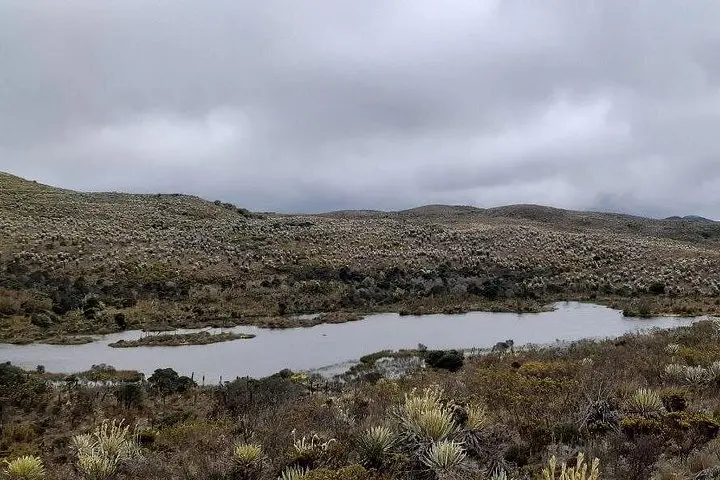
Geology and history are written in low shrubs and peat: these páramos act as natural water reservoirs, formed over millennia on volcanic and sedimentary soils. The landscape hosted Muisca communities and now supports rare plants—frailejones and cushion bogs—and specialized birds adapted to thin air. The trail cuts through a brief band of high Andean forest before opening into windswept moor, where water gathers and channels into Bogotá’s watershed.
Expect 3–4 hours of walking on uneven, wet, sometimes boggy ground with short tussock steps and exposed sections. Guides keep groups small (max seven) and provide coffee before the hike; round-trip logistics are handled from central Bogotá with hotel pickup.
Practical edge: dress in layered synthetic clothes, bring a waterproof shell and sturdy boots, and plan for sun and sudden rain. Allow time to acclimate if you're coming from low elevations—rhythmic breathing makes the climb steadier. Keep to established trails to avoid fragile peat and minimize your impact on this vital water-producing ecosystem.
The hiking portion is about 3–4 hours to Boca Grande lake; the total tour lasts roughly 4–4.5 hours including transport from Bogotá (about 20 km to trailhead).
Yes — the páramo sits between 3,100–3,800 meters. Travelers should acclimatize, hydrate, move slowly, and notify the guide of any symptoms.
The tour typically includes coffee or tea; plan to bring your own snacks and extra water for the hike.
People with serious back, heart, or pregnancy-related conditions and children under the advised age should avoid this strenuous high-elevation hike; check provider restrictions before booking.
Paolo travel Eco tours operates guided outdoor trips and adventures with an emphasis on safety, stewardship, and memorable experiences.
A cold wind crosses the high grass as you step from the air-conditioned van onto a wide, open moor. The sky is large here—sharp, thin, and close—while the ground underfoot changes from mossy forest duff to the spongey tussocks of páramo. In less than an hour from Bogotá you're breathing at 3,200–3,600 meters, hiking toward Boca Grande lake across the Sumapaz moorland, the world’s largest high-mountain páramo.
A cold wind crosses the high grass as you step from the air-conditioned van onto a wide, open moor. The sky is large here—sharp, thin, and close—while the ground underfoot changes from mossy forest duff to the spongey tussocks of páramo. In less than an hour from Bogotá you're breathing at 3,200–3,600 meters, hiking toward Boca Grande lake across the Sumapaz moorland, the world’s largest high-mountain páramo.
Geology and history are written in low shrubs and peat: these páramos act as natural water reservoirs, formed over millennia on volcanic and sedimentary soils. The landscape hosted Muisca communities and now supports rare plants—frailejones and cushion bogs—and specialized birds adapted to thin air. The trail cuts through a brief band of high Andean forest before opening into windswept moor, where water gathers and channels into Bogotá’s watershed.
Expect 3–4 hours of walking on uneven, wet, sometimes boggy ground with short tussock steps and exposed sections. Guides keep groups small (max seven) and provide coffee before the hike; round-trip logistics are handled from central Bogotá with hotel pickup.
Practical edge: dress in layered synthetic clothes, bring a waterproof shell and sturdy boots, and plan for sun and sudden rain. Allow time to acclimate if you're coming from low elevations—rhythmic breathing makes the climb steadier. Keep to established trails to avoid fragile peat and minimize your impact on this vital water-producing ecosystem.