THE ADVENTURE COLLECTIVE® · Independent discovery and booking for outdoor travel

Traverse Sumba’s coasts, savannas and waterfalls on a five-day circuit that mixes short hikes, cultural village visits and beach time. This practical guide explains what to expect on trails, terrain and local customs.
Traverse Sumba’s coasts, savannas and waterfalls on a five-day circuit that mixes short hikes, cultural village visits and beach time. This practical guide explains what to expect on trails, terrain and local customs.
You step off the minivan and the air changes — salt and grass and the faint smoke of cooking fires. The road ribboned along the coast gives way to red-earth tracks that climb between grassy hills; ahead, a line of coconut palms frames a turquoise saltwater lagoon. Over five days across western and eastern Sumba you'll move from sea to savanna to forested canyon, with waterfalls demanding short treks and hilltops rewarding wide, serrated views.
Verified experiences and guided adventures in the surrounding area.
Operated by mysumbabible wisata sumba · Waingapu, East Nusa Tenggara
You step off the minivan and the air changes — salt and grass and the faint smoke of cooking fires. The road ribboned along the coast gives way to red-earth tracks that climb between grassy hills; ahead, a line of coconut palms frames a turquoise saltwater lagoon. Over five days across western and eastern Sumba you'll move from sea to savanna to forested canyon, with waterfalls demanding short treks and hilltops rewarding wide, serrated views.
Sumba sits in East Nusa Tenggara, a geologically young island of volcanic and coral uplift. The island’s megalithic culture is visible in Praijing village and royal compounds: timber houses on stilts, carved tombs and the handwoven tenun ikat cloth that still marks social status. The savanna plateaus were shaped by wind and seasonal fire; the coastal mangroves and reefs sustain local fisheries.
Expect a mix of walking: 20–60 minute hikes to lookouts and falls, a moderate 1–2 hour approach at larger cascades with uneven, sometimes muddy trails and short elevation gains (typically 50–200 m). Trails cross grassland, red laterite tracks and shaded jungle approaches to pools where cliff-jumping is possible but optional. Guides handle logistics and vehicle transfers; accommodation is basic 3-star hotels and homestays.
Practical edge: pack sturdy trail shoes with good grip, sun protection, and a small dry bag for beach stops. Start waterfall treks early for cooler conditions and better light. Respect village customs—ask before photographing people and support local artisans by buying tenun ikat at galleries in Waingapu.
Accommodations are basic 3-star hotels and local homestays in towns like Waingapu and nearby villages; expect simple amenities and local-style service.
Short, easy falls are family-friendly, but some larger waterfalls have uneven terrain and small cliff jumps — supervise children and consult guides.
Bring Indonesian rupiah in small denominations; many village vendors and remote spots do not accept cards.
No — many points of interest require steps, uneven paths or short hikes, making accessibility limited.
mysumbabible wisata sumba operates guided outdoor trips and adventures with an emphasis on safety, stewardship, and memorable experiences.
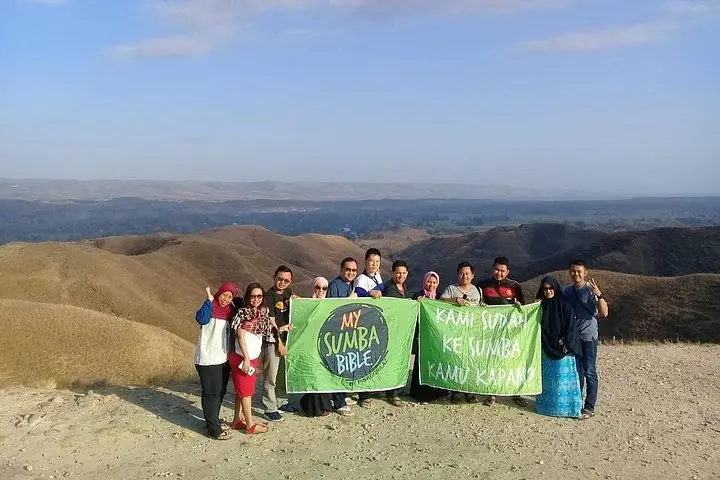
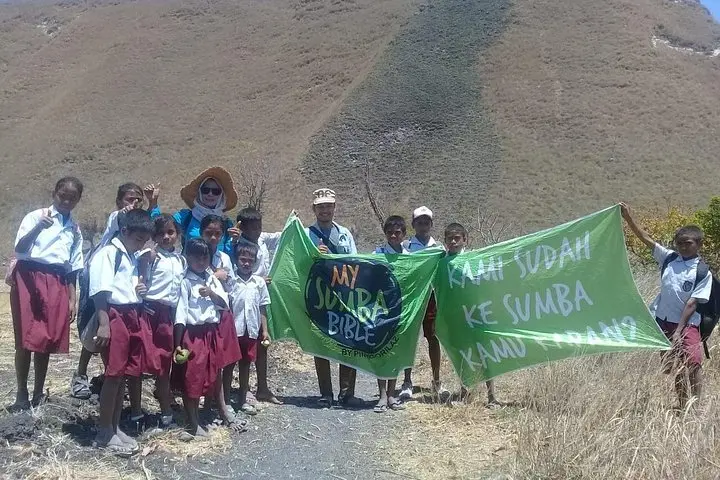
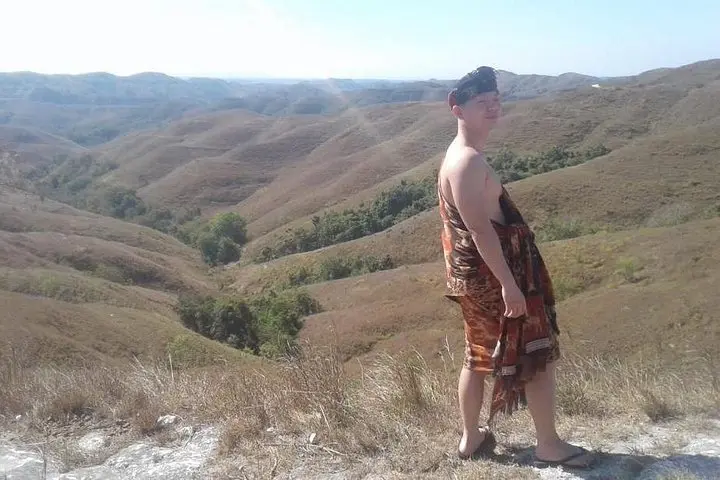
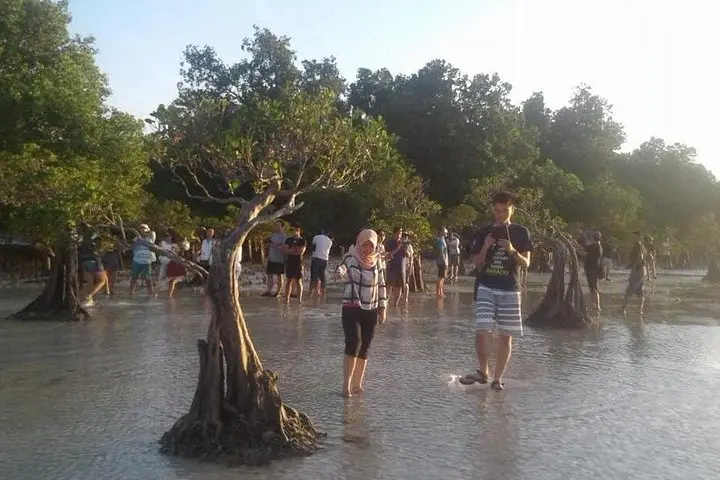
You step off the minivan and the air changes — salt and grass and the faint smoke of cooking fires. The road ribboned along the coast gives way to red-earth tracks that climb between grassy hills; ahead, a line of coconut palms frames a turquoise saltwater lagoon. Over five days across western and eastern Sumba you'll move from sea to savanna to forested canyon, with waterfalls demanding short treks and hilltops rewarding wide, serrated views.
You step off the minivan and the air changes — salt and grass and the faint smoke of cooking fires. The road ribboned along the coast gives way to red-earth tracks that climb between grassy hills; ahead, a line of coconut palms frames a turquoise saltwater lagoon. Over five days across western and eastern Sumba you'll move from sea to savanna to forested canyon, with waterfalls demanding short treks and hilltops rewarding wide, serrated views.
Sumba sits in East Nusa Tenggara, a geologically young island of volcanic and coral uplift. The island’s megalithic culture is visible in Praijing village and royal compounds: timber houses on stilts, carved tombs and the handwoven tenun ikat cloth that still marks social status. The savanna plateaus were shaped by wind and seasonal fire; the coastal mangroves and reefs sustain local fisheries.
Expect a mix of walking: 20–60 minute hikes to lookouts and falls, a moderate 1–2 hour approach at larger cascades with uneven, sometimes muddy trails and short elevation gains (typically 50–200 m). Trails cross grassland, red laterite tracks and shaded jungle approaches to pools where cliff-jumping is possible but optional. Guides handle logistics and vehicle transfers; accommodation is basic 3-star hotels and homestays.
Practical edge: pack sturdy trail shoes with good grip, sun protection, and a small dry bag for beach stops. Start waterfall treks early for cooler conditions and better light. Respect village customs—ask before photographing people and support local artisans by buying tenun ikat at galleries in Waingapu.