THE ADVENTURE COLLECTIVE® · Independent discovery and booking for outdoor travel

Get hands-on with dromedaries on a behind-the-scenes tour of Australia’s largest camel dairy. Taste award-winning camel milk cheeses and learn how camels shaped Australia’s inland history.
Get hands-on with dromedaries on a behind-the-scenes tour of Australia’s largest camel dairy. Taste award-winning camel milk cheeses and learn how camels shaped Australia’s inland history.
The morning light falls across low, sandy paddocks as a dromedary lifts its head and regards you with steady curiosity—this is Summer Land Camels, Australia’s largest camel farm and dairy. On the guided 45–60 minute tour you move from grassy yards into the warm, low-slung sheds of the dairy, hearing staff explain milking routines while baby camels nudge a visitor’s hand.
Verified experiences and guided adventures in the surrounding area.
Operated by Summer Land Camels · Brisbane, Queensland
The morning light falls across low, sandy paddocks as a dromedary lifts its head and regards you with steady curiosity—this is Summer Land Camels, Australia’s largest camel farm and dairy. On the guided 45–60 minute tour you move from grassy yards into the warm, low-slung sheds of the dairy, hearing staff explain milking routines while baby camels nudge a visitor’s hand.
Camels arrived in Australia in the 19th century as expedition beasts and became entwined with outback transport and inland exploration; today farms like Summer Land shift that history toward food production and care. Geologically the region is flat, with soils that suit hardy forage; culturally the site sits at the intersection of agricultural innovation and niche food craftsmanship—camel milk cheeses and gelato are produced on site from pasteurization through aging.
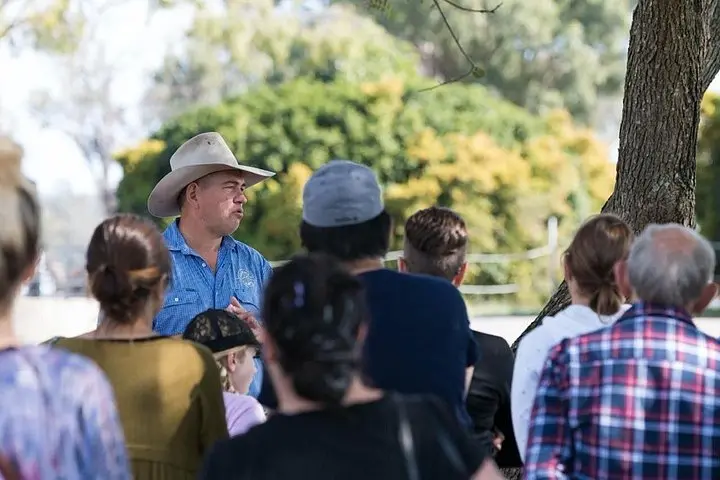
You’ll learn about feral camel management, the immune proteins that make camel milk attractive for some with sensitivities, and the practicalities of dairy camels: feed regimes, calving cycles, and milking windows. Staff-led commentary covers animal welfare standards and how the operation minimizes waste.
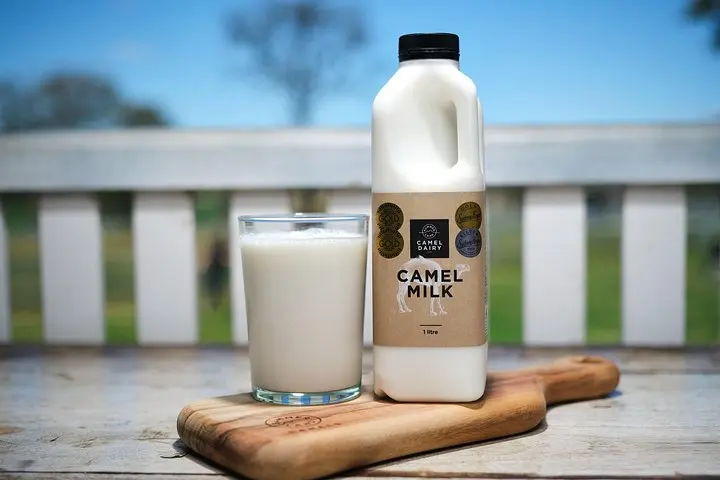
Practical guide: arrive 15 minutes early to check in at the farm shop, wear closed-toe shoes and sun protection, and plan for gentle walking on flat farm paths. The experience is family-friendly and wheelchair-accessible, but children must remain with an adult. Bring a reusable water bottle and a camera: tasting follows the tour, with samples of camel milk cheese and gelato best enjoyed in the shade. Reservations fill quickly on weekends and school holidays; book ahead to secure your slot.
Tours last approximately 45–60 minutes and include a guided walk through restricted farm areas plus a tasting of camel milk products.
Yes. The farm is wheelchair-accessible; however, children must be accompanied by a paying adult at all times during the tour.
Camel milk can be better tolerated by some with dairy sensitivities, but reactions vary—notify staff and avoid samples if you have a known severe dairy allergy.
Yes. Tours often sell out on weekends and school holidays; book ahead and arrive 15 minutes early to check in.
Summer Land Camels operates guided outdoor trips and adventures with an emphasis on safety, stewardship, and memorable experiences.
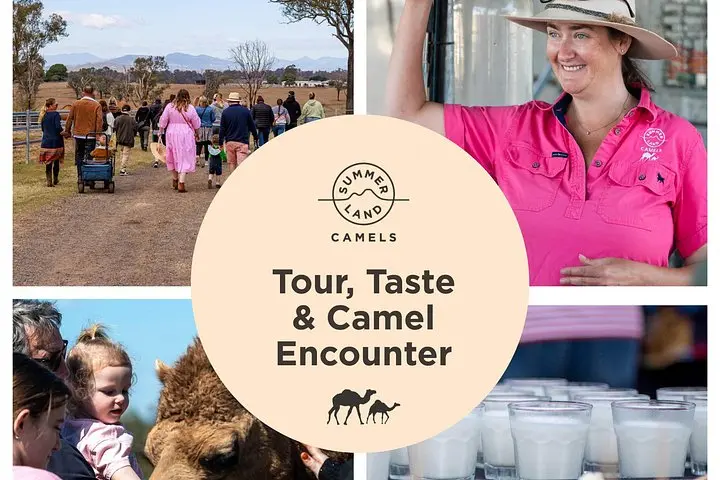
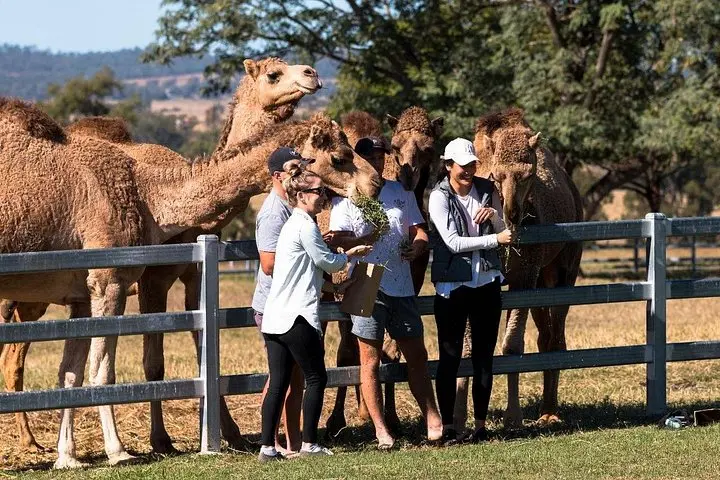
The morning light falls across low, sandy paddocks as a dromedary lifts its head and regards you with steady curiosity—this is Summer Land Camels, Australia’s largest camel farm and dairy. On the guided 45–60 minute tour you move from grassy yards into the warm, low-slung sheds of the dairy, hearing staff explain milking routines while baby camels nudge a visitor’s hand.
The morning light falls across low, sandy paddocks as a dromedary lifts its head and regards you with steady curiosity—this is Summer Land Camels, Australia’s largest camel farm and dairy. On the guided 45–60 minute tour you move from grassy yards into the warm, low-slung sheds of the dairy, hearing staff explain milking routines while baby camels nudge a visitor’s hand.
Camels arrived in Australia in the 19th century as expedition beasts and became entwined with outback transport and inland exploration; today farms like Summer Land shift that history toward food production and care. Geologically the region is flat, with soils that suit hardy forage; culturally the site sits at the intersection of agricultural innovation and niche food craftsmanship—camel milk cheeses and gelato are produced on site from pasteurization through aging.
You’ll learn about feral camel management, the immune proteins that make camel milk attractive for some with sensitivities, and the practicalities of dairy camels: feed regimes, calving cycles, and milking windows. Staff-led commentary covers animal welfare standards and how the operation minimizes waste.
Practical guide: arrive 15 minutes early to check in at the farm shop, wear closed-toe shoes and sun protection, and plan for gentle walking on flat farm paths. The experience is family-friendly and wheelchair-accessible, but children must remain with an adult. Bring a reusable water bottle and a camera: tasting follows the tour, with samples of camel milk cheese and gelato best enjoyed in the shade. Reservations fill quickly on weekends and school holidays; book ahead to secure your slot.