THE ADVENTURE COLLECTIVE® · Independent discovery and booking for outdoor travel

Push from Tram Ton to the summit of Fansipan in a purposeful two-day trek that blends alpine terrain, bamboo forest, and local mountain culture. Overnight at 2,800 m then summit 3,143 m the next day—expect steep hiking, variable weather, and sweeping views.
Push from Tram Ton to the summit of Fansipan in a purposeful two-day trek that blends alpine terrain, bamboo forest, and local mountain culture. Overnight at 2,800 m then summit 3,143 m the next day—expect steep hiking, variable weather, and sweeping views.
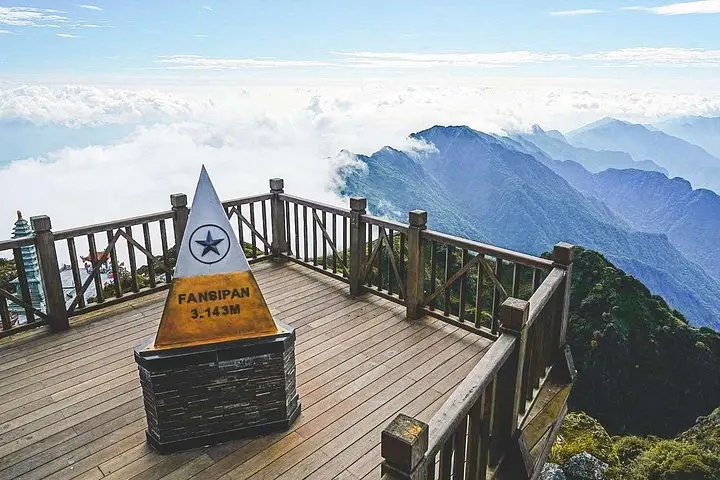
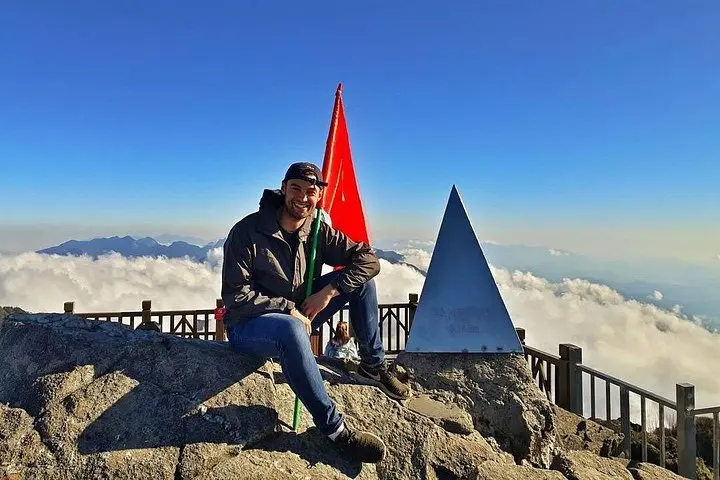
The morning air at Tram Ton tastes of cold metal and pine as you step from the van onto the road known locally as Heaven Gate. Wind pushes through bamboo and rhododendron; the trail ahead threads down into a hollow before climbing again toward a stony crown — the summit of Fansipan, 3,143 m, the highest point in Indochina.
Verified experiences and guided adventures in the surrounding area.
Operated by Asia Travel Links · Sapa, Lao Cai
The morning air at Tram Ton tastes of cold metal and pine as you step from the van onto the road known locally as Heaven Gate. Wind pushes through bamboo and rhododendron; the trail ahead threads down into a hollow before climbing again toward a stony crown — the summit of Fansipan, 3,143 m, the highest point in Indochina.
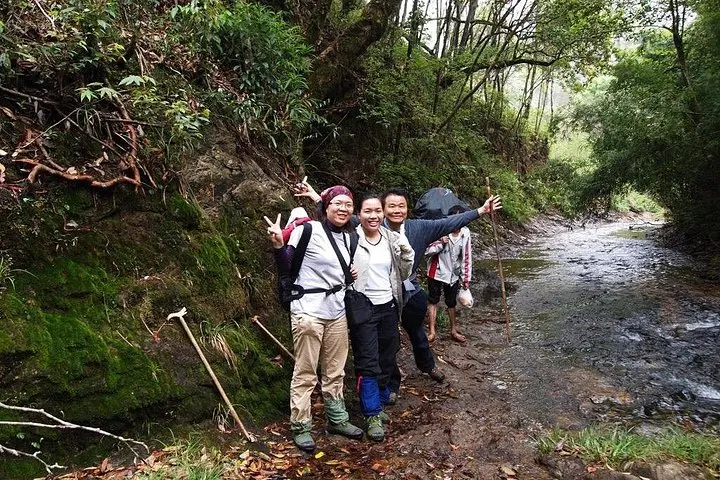
This two-day Tram Ton route follows old porter tracks through Hoang Lien National Park, across terrain shaped by karst and granite uplift. The area’s geology lifts steep ridgelines and creates abrupt microclimates; you move from subtropical forest into alpine scrub within hours. Cultural traces are constant: Black Hmong villages nearby, terraced fields in the valleys, and the practical hospitality of local porters who carry tents and food.
Historically Fansipan has been a landmark for hill communities and French-era explorers; today it’s a challenge for trekkers who prize the raw, exposed summit view across Lai Châu and Lào Cai provinces.
Practical guidance: plan two solid days with an overnight at ~2,800 m; expect steep, rocky sections and bamboo forest on the lower slopes. Start early on summit day, carry 2–3 L water, and layer for wind and sun — temperatures drop quickly after sunset. Guides and porters are commonly provided and recommended for navigation and load support. Weather can change rapidly; a turn-back in bad conditions is standard safety practice. With moderate fitness and proper gear, this itinerary delivers a compact, demanding ascent and the distinct reward of standing on Indochina’s roof before returning to Sapa by late afternoon on day two.
From the 2,800 m campsite expect 5–8 hours round-trip depending on pace and conditions.
This itinerary provides an English-speaking guide and Black Hmong porters to carry food and luggage per the inclusion list.
No special permit is required for recreational trekking; entrance fees for Hoang Lien National Park are typically included in guided programs.
Autumn (September–November) and spring (March–May) offer more stable weather and clearer summit views; monsoon season brings heavy rain.
Asia Travel Links operates guided outdoor trips and adventures with an emphasis on safety, stewardship, and memorable experiences.

The morning air at Tram Ton tastes of cold metal and pine as you step from the van onto the road known locally as Heaven Gate. Wind pushes through bamboo and rhododendron; the trail ahead threads down into a hollow before climbing again toward a stony crown — the summit of Fansipan, 3,143 m, the highest point in Indochina.
The morning air at Tram Ton tastes of cold metal and pine as you step from the van onto the road known locally as Heaven Gate. Wind pushes through bamboo and rhododendron; the trail ahead threads down into a hollow before climbing again toward a stony crown — the summit of Fansipan, 3,143 m, the highest point in Indochina.
This two-day Tram Ton route follows old porter tracks through Hoang Lien National Park, across terrain shaped by karst and granite uplift. The area’s geology lifts steep ridgelines and creates abrupt microclimates; you move from subtropical forest into alpine scrub within hours. Cultural traces are constant: Black Hmong villages nearby, terraced fields in the valleys, and the practical hospitality of local porters who carry tents and food.
Historically Fansipan has been a landmark for hill communities and French-era explorers; today it’s a challenge for trekkers who prize the raw, exposed summit view across Lai Châu and Lào Cai provinces.
Practical guidance: plan two solid days with an overnight at ~2,800 m; expect steep, rocky sections and bamboo forest on the lower slopes. Start early on summit day, carry 2–3 L water, and layer for wind and sun — temperatures drop quickly after sunset. Guides and porters are commonly provided and recommended for navigation and load support. Weather can change rapidly; a turn-back in bad conditions is standard safety practice. With moderate fitness and proper gear, this itinerary delivers a compact, demanding ascent and the distinct reward of standing on Indochina’s roof before returning to Sapa by late afternoon on day two.