
Summit Happiness: 6-Day Jebel Toubkal Trek, Berber Culture & Mountain Yoga
A six-day itinerary that pairs daily yoga with ascents across the High Atlas, culminating on Jebel Toubkal (4,167 m). Expect village hospitality, a night at the Toubkal hut and a summit push that rewards preparation and steady pacing.
An Adventure In Imlil.
A six-day itinerary that pairs daily yoga with ascents across the High Atlas, culminating on Jebel Toubkal (4,167 m). Expect village hospitality, a night at the Toubkal hut and a summit push that rewards preparation and steady pacing.
Read the full experience
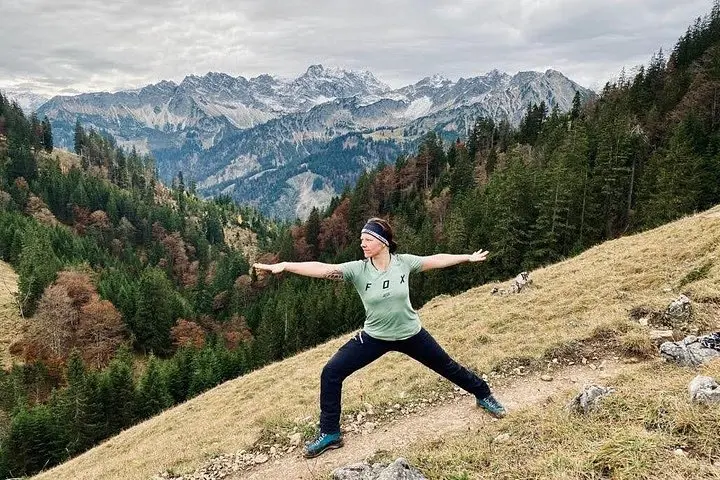
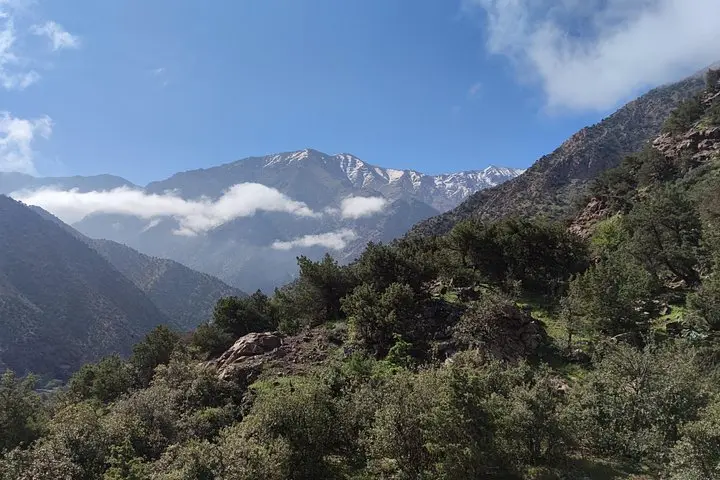
The morning air in Imlil tastes of mint tea and stone: mule bells echo, terraces climb above the valley and the Toubkal massif looms, a bronze wall of scree and corniced ridges. You begin with easy walks through Berber villages, then inch higher each day—green valleys give way to rock, alpine bowls and a shared dormitory at 3,200 m where evening yoga stretches tired legs.
The morning air in Imlil tastes of mint tea and stone: mule bells echo, terraces climb above the valley and the Toubkal massif looms, a bronze wall of scree and corniced ridges. You begin with easy walks through Berber villages, then inch higher each day—green valleys give way to rock, alpine bowls and a shared dormitory at 3,200 m where evening yoga stretches tired legs.
Jebel Toubkal (4,167 m) is the highest point in North Africa and a clear marker in Atlas geology—the range formed by tectonic uplift where African and Eurasian plates meet. The region is shaped by Berber culture: small villages, artisan co-ops, and communal hammams that punctuate the route back in Imlil.
Expect varied terrain: mule tracks, loose scree and steep stair-like stone sections. Typical gains: Imlil (~1,740 m) to Toubkal Hut (~3,200 m) involves roughly 1,400–1,500 m of ascent over 10–12 km; summit day adds another 900 m gain with a 5–7 km round trip from the hut. Nights alternate between family-run guesthouses and high mountain dormitories.
Practical edge: pace the ascent for acclimatization, carry 2–3 liters of water and windproof layers, and use trekking poles for balance on scree. Best windows are late spring and autumn for stable weather; winter brings snow and crampons.
By trip’s end you’ll have climbed North Africa’s roof, soaked in a hammam’s steam and learned the rhythms of Atlas life—an accessible, immersive mix of climb, culture and restorative yoga that rewards measured preparation and respect for mountain conditions.
Frequently asked questions
Summit day starts pre-dawn from the hut with about 900 m of ascent on exposed scree; it is long and steep but non-technical in summer—expect 6–10 hours round trip depending on pace.
No technical gear is required in summer and autumn; in winter crampons and an ice axe may be necessary and guides will advise accordingly.
Travelers with good fitness and some multi-day hiking experience can join, but the altitude and daily gains make it unsuitable for those with limited endurance or serious health concerns.
Yes—mule transport is commonly offered for luggage to the hut and surrounding accommodations; pack a small daypack for summit day.
About This Experience
Marokko Trekking operates guided outdoor trips and adventures with an emphasis on safety, stewardship, and memorable experiences.
Adventure tips
Recommended gear
- Mountaineering/hiking boots: Support and grip for rocky, sometimes loose trails.
- Insulating layers and windproof jacket: Temperatures drop above 3,000 m, even in shoulder seasons.
- Trekking poles: Improves balance on scree and reduces knee strain on descents.
- Hydration system (2–3 L) & sunscreen: High-altitude sun and dry air increase dehydration and UV exposure.
Photos of the experience
Related adventures & guides
Read the full experience
The morning air in Imlil tastes of mint tea and stone: mule bells echo, terraces climb above the valley and the Toubkal massif looms, a bronze wall of scree and corniced ridges. You begin with easy walks through Berber villages, then inch higher each day—green valleys give way to rock, alpine bowls and a shared dormitory at 3,200 m where evening yoga stretches tired legs.
The morning air in Imlil tastes of mint tea and stone: mule bells echo, terraces climb above the valley and the Toubkal massif looms, a bronze wall of scree and corniced ridges. You begin with easy walks through Berber villages, then inch higher each day—green valleys give way to rock, alpine bowls and a shared dormitory at 3,200 m where evening yoga stretches tired legs.
Jebel Toubkal (4,167 m) is the highest point in North Africa and a clear marker in Atlas geology—the range formed by tectonic uplift where African and Eurasian plates meet. The region is shaped by Berber culture: small villages, artisan co-ops, and communal hammams that punctuate the route back in Imlil.
Expect varied terrain: mule tracks, loose scree and steep stair-like stone sections. Typical gains: Imlil (~1,740 m) to Toubkal Hut (~3,200 m) involves roughly 1,400–1,500 m of ascent over 10–12 km; summit day adds another 900 m gain with a 5–7 km round trip from the hut. Nights alternate between family-run guesthouses and high mountain dormitories.
Practical edge: pace the ascent for acclimatization, carry 2–3 liters of water and windproof layers, and use trekking poles for balance on scree. Best windows are late spring and autumn for stable weather; winter brings snow and crampons.
By trip’s end you’ll have climbed North Africa’s roof, soaked in a hammam’s steam and learned the rhythms of Atlas life—an accessible, immersive mix of climb, culture and restorative yoga that rewards measured preparation and respect for mountain conditions.
Make a day of it nearby.
Verified experiences and guided adventures in the surrounding area.