THE ADVENTURE COLLECTIVE® · Independent discovery and booking for outdoor travel
A two-day private ascent of Iztaccíhuatl from Mexico City, led by experienced high-mountain guides. Expect a midnight push, technical snow travel, and a 1:3 guide ratio with tents, crampons, and insurance included.
A two-day private ascent of Iztaccíhuatl from Mexico City, led by experienced high-mountain guides. Expect a midnight push, technical snow travel, and a 1:3 guide ratio with tents, crampons, and insurance included.
A thin wind skims the camp as headlamps bob like slow fireflies on the crater’s lip. You wake at 11:00 p.m., pack a final snack, and step out into a sky that makes the city lights below look like an unreal map. The climb up Iztaccíhuatl—the “white woman” whose silhouette watches over the Valley of Mexico—asks for steady feet and respect: steep snowfields, a high ridge, and the quiet that lives only above 4,000 meters.
Verified experiences and guided adventures in the surrounding area.
Operated by Black Bear Travel · Amecameca, Estado de México
A thin wind skims the camp as headlamps bob like slow fireflies on the crater’s lip. You wake at 11:00 p.m., pack a final snack, and step out into a sky that makes the city lights below look like an unreal map. The climb up Iztaccíhuatl—the “white woman” whose silhouette watches over the Valley of Mexico—asks for steady feet and respect: steep snowfields, a high ridge, and the quiet that lives only above 4,000 meters.
This private, guide-led itinerary moves deliberately. Teams meet in Mexico City, drive two hours through Amecameca’s volcanic foothills and set a sheltered camp inside Iztaccíhuatl National Park. Guides with decade-plus high-altitude experience run a 1:3 guide-to-client ratio, show technical gear, and lead an acclimatizing loop the afternoon before a midnight departure.
Geologically, Iztaccíhuatl is the older twin of nearby Popocatépetl—both products of subduction-zone volcanism that stitched high volcanic domes across central Mexico. Culturally, the mountain’s name and profile are baked into local Nahua legend: a sleeping woman whose snowy peaks are said to be a slumbering lover beside a smoking warrior. That history frames the climb; every cairn and trail marker is part of a landscape long-used by local communities and seasonal shepherds.
Practically, expect two days of focused travel: day one for transit, camp setup, and skills practice; day two for a long, technical summit push. The ascent is strenuous—a night start, several hours on crampons, and roughly 1,000–1,300 meters of vertical gain on summit day depending on camp location—with total activity close to the operator’s 14-hour estimate between rise and return. The operator supplies tents, sleeping bags, crampons, an ice axe, harnesses, poles, private transport, meals, and traveler accident insurance with 300,000 MXN coverage.
Tips for success: acclimatize in Mexico City or Amecameca for a day or two, break in boots, and practice with weighted hikes. Layer for freezing summit winds and bring a reliable headlamp—most groups start around midnight. Hydrate early, eat small starches before the climb, and communicate any altitude symptoms immediately; guides can adjust pace or arrange descent.
Logistics are straightforward: private transport from Condesa/Parque México, camp lodging (single/double tent houses), and a clear cancellation window. The route rewards those who prepare: when the sun lifts the cloud deck, Popocatépetl exhales steam and the valley lays out in impossible clarity. It’s an alpine day with Mexican rhythms—fast, exacting, and deeply satisfying for climbers ready for altitude and cold.
Private transport, tents and sleeping bags, technical equipment (crampons, ice axe, harness), guide services, meals as listed, and traveler accident insurance (300,000 MXN).
Participants should have high cardiovascular fitness and prior experience with multi-hour hikes at altitude; expect a long summit day with steep snow travel.
The program meets in Mexico City in the morning for transit; the summit push typically begins around midnight from the high camp.
Prior crampon and ice-axe experience is strongly recommended though guides provide instruction and technical support onsite.
Full refund if canceled 6+ days before; 50% refund if canceled 2–6 days before; no refund within 2 days of departure.
Not recommended for pregnant travelers or those with serious cardiovascular issues; inform guides of any medical conditions during booking.
Black Bear Travel operates guided outdoor trips and adventures with an emphasis on safety, stewardship, and memorable experiences.
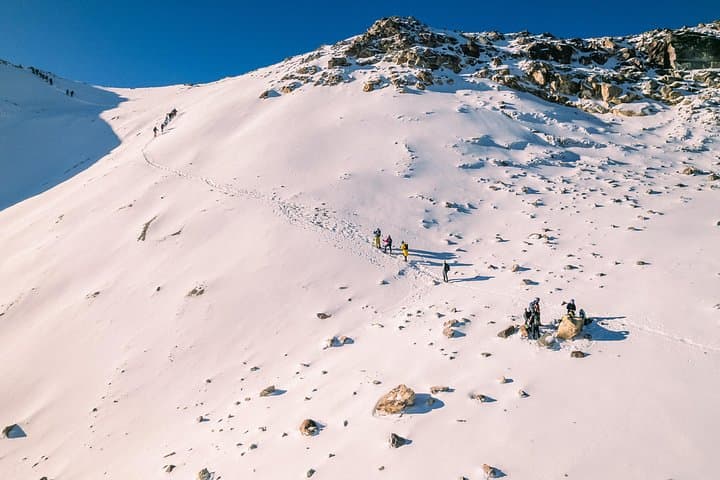
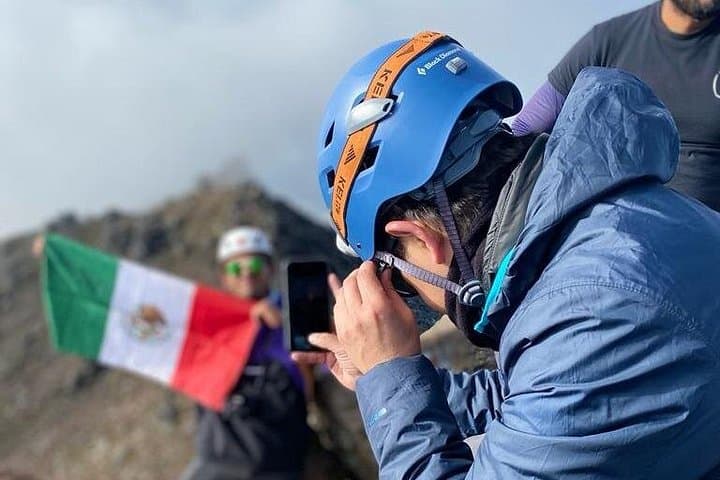
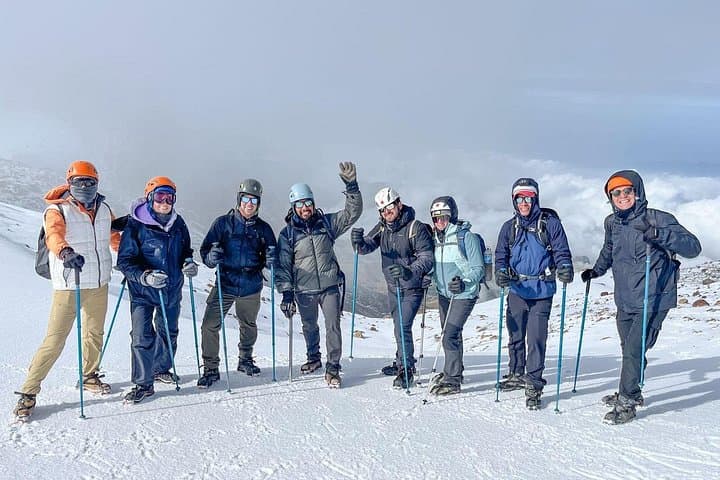
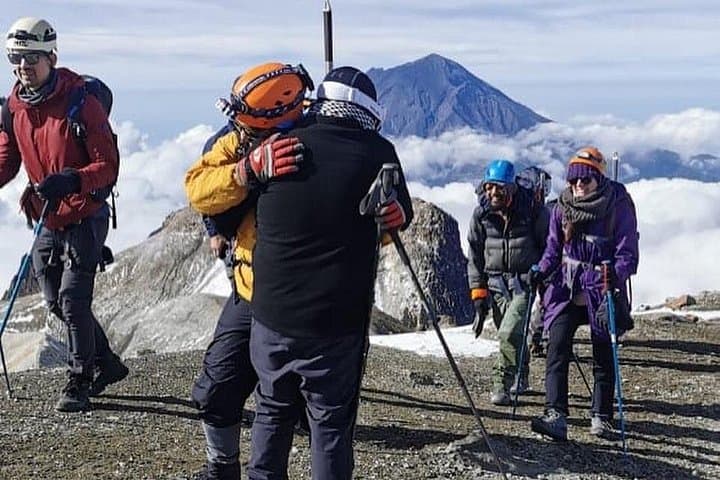
A thin wind skims the camp as headlamps bob like slow fireflies on the crater’s lip. You wake at 11:00 p.m., pack a final snack, and step out into a sky that makes the city lights below look like an unreal map. The climb up Iztaccíhuatl—the “white woman” whose silhouette watches over the Valley of Mexico—asks for steady feet and respect: steep snowfields, a high ridge, and the quiet that lives only above 4,000 meters.
A thin wind skims the camp as headlamps bob like slow fireflies on the crater’s lip. You wake at 11:00 p.m., pack a final snack, and step out into a sky that makes the city lights below look like an unreal map. The climb up Iztaccíhuatl—the “white woman” whose silhouette watches over the Valley of Mexico—asks for steady feet and respect: steep snowfields, a high ridge, and the quiet that lives only above 4,000 meters.
This private, guide-led itinerary moves deliberately. Teams meet in Mexico City, drive two hours through Amecameca’s volcanic foothills and set a sheltered camp inside Iztaccíhuatl National Park. Guides with decade-plus high-altitude experience run a 1:3 guide-to-client ratio, show technical gear, and lead an acclimatizing loop the afternoon before a midnight departure.
Geologically, Iztaccíhuatl is the older twin of nearby Popocatépetl—both products of subduction-zone volcanism that stitched high volcanic domes across central Mexico. Culturally, the mountain’s name and profile are baked into local Nahua legend: a sleeping woman whose snowy peaks are said to be a slumbering lover beside a smoking warrior. That history frames the climb; every cairn and trail marker is part of a landscape long-used by local communities and seasonal shepherds.
Practically, expect two days of focused travel: day one for transit, camp setup, and skills practice; day two for a long, technical summit push. The ascent is strenuous—a night start, several hours on crampons, and roughly 1,000–1,300 meters of vertical gain on summit day depending on camp location—with total activity close to the operator’s 14-hour estimate between rise and return. The operator supplies tents, sleeping bags, crampons, an ice axe, harnesses, poles, private transport, meals, and traveler accident insurance with 300,000 MXN coverage.
Tips for success: acclimatize in Mexico City or Amecameca for a day or two, break in boots, and practice with weighted hikes. Layer for freezing summit winds and bring a reliable headlamp—most groups start around midnight. Hydrate early, eat small starches before the climb, and communicate any altitude symptoms immediately; guides can adjust pace or arrange descent.
Logistics are straightforward: private transport from Condesa/Parque México, camp lodging (single/double tent houses), and a clear cancellation window. The route rewards those who prepare: when the sun lifts the cloud deck, Popocatépetl exhales steam and the valley lays out in impossible clarity. It’s an alpine day with Mexican rhythms—fast, exacting, and deeply satisfying for climbers ready for altitude and cold.
