THE ADVENTURE COLLECTIVE® · Independent discovery and booking for outdoor travel

Headlamps, volcanic scree and a pre-dawn push above 17,000 feet: this two-day climb from Mexico City takes hikers to the third-highest peak in Mexico. With WFR-trained guides, winter technical gear when needed, and a strict turnaround time, it’s a compact but demanding alpine climb.
Headlamps, volcanic scree and a pre-dawn push above 17,000 feet: this two-day climb from Mexico City takes hikers to the third-highest peak in Mexico. With WFR-trained guides, winter technical gear when needed, and a strict turnaround time, it’s a compact but demanding alpine climb.
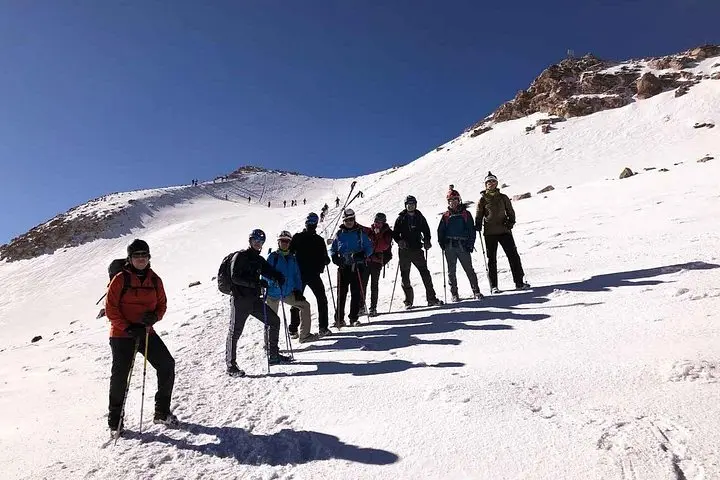
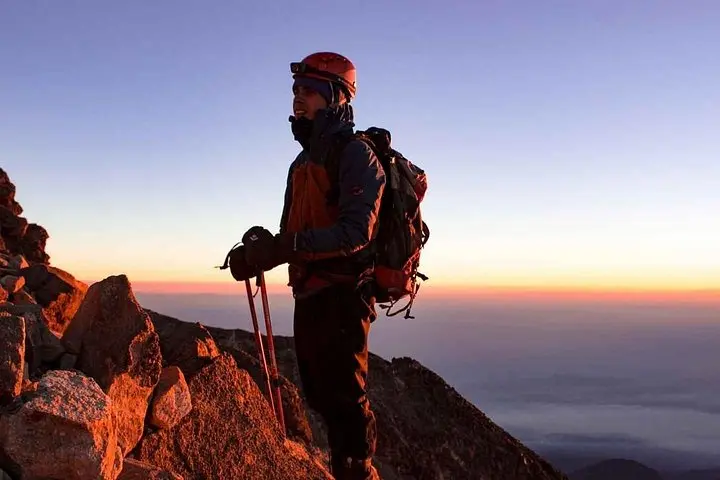
When the van pulls off the highway at Paso de Cortés, the world narrows to wind, pumice dust and the white flank of Iztaccíhuatl pushing into the sky. At midnight the group straps on headlamps and breath becomes visible with each step; the trail ducks between volcanic ribs, sometimes scraping volcanic scree, sometimes breaking into packed snow. Guides move at a steady rhythm—short, deliberate steps to fight altitude and preserve energy—while behind them the silhouette of Popocatépetl watches like an elder beside its sleeping sister.
Verified experiences and guided adventures in the surrounding area.
Operated by Local Adventures · Amecameca, Estado de México
When the van pulls off the highway at Paso de Cortés, the world narrows to wind, pumice dust and the white flank of Iztaccíhuatl pushing into the sky. At midnight the group straps on headlamps and breath becomes visible with each step; the trail ducks between volcanic ribs, sometimes scraping volcanic scree, sometimes breaking into packed snow. Guides move at a steady rhythm—short, deliberate steps to fight altitude and preserve energy—while behind them the silhouette of Popocatépetl watches like an elder beside its sleeping sister.
Iztaccíhuatl—“the white woman” in Nahuatl—carries a landscape story written in lava and ice. The mountain is the remnant of repeated eruptions and glacial sculpting; its three summits and long ridgeline are a record of tectonic pressure along the Trans-Mexican Volcanic Belt. For centuries local communities in Amecameca and Tochimilco used the passes between Izta and Popo for trade and pilgrimage; today hikers pass those same high trails, trading stories at La Joya campsite over quesadillas and instant soups.
Geology shows beneath the snow: andesite flows, loose scree slopes and seasonal glacier patches above 4,800 m (≈15,750 ft). The itinerary compresses acclimatization into a long first day—drive from Mexico City (meeting point in Condesa), short hikes around the camp at 3,800–4,000 m, then an early-night rest. The summit push begins around 1:00 a.m., a 6–8 hour ascent to roughly 5,200–5,300 m (more than 17,000 ft) depending on the route, with a strict turnaround time near noon for safety.
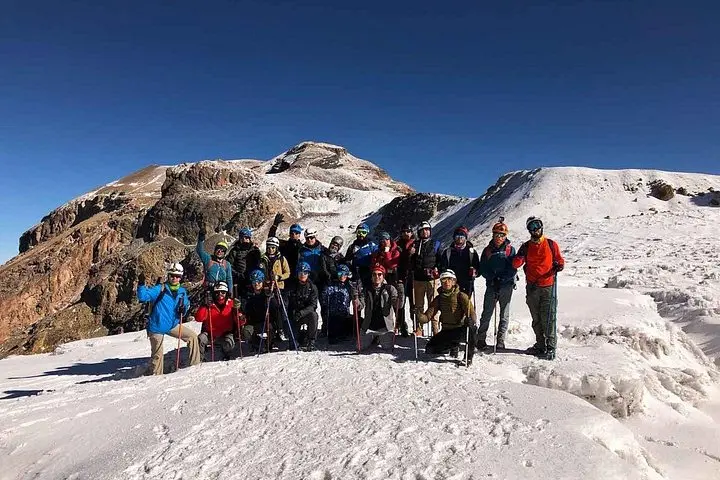
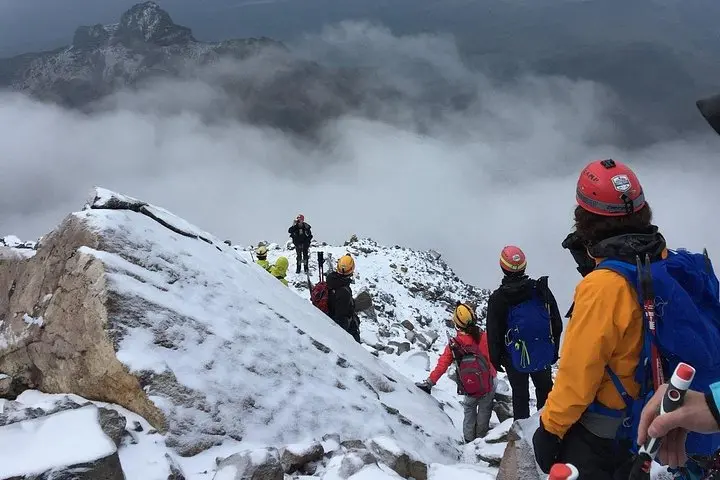
Expect varied terrain: steep volcanic scree, hard-packed snow, exposed ridgelines and sometimes icy patches that require crampons and ice axe work in winter or after fresh snow. Guides on this tour carry Wilderness First Responder training and rescue gear; helmets and poles are provided, and crampons/harnesses are used when conditions demand it.
Practical edge: hydrate aggressively in the 24 hours before you go, eat starchy meals the night before the summit, and practice steep, long-day hikes at home. Break in stiff mountaineering boots and bring layers—the summit wind can drop temperatures rapidly even when Mexico City feels mild. Fitness expectations are high: plan for sustained uphill walking, 6–9 hours on summit day with a cumulative elevation gain of ~1,800–2,000 m from camp. If you have cardiovascular issues or recent spinal injury, this is not the trip for you.
Arrival back in Mexico City is often late evening, with the aftertaste of thin air and a new altitude confidence. For travelers who want a technical, well-supported introduction to Mexican high-altitude climbing, this two-day summit climb of Iztaccíhuatl offers a compact, serious mountain experience—raw, demanding and undeniably rewarding.
The summit reaches roughly 5,200–5,300 m (≈17,000+ ft). Expect a 6–8 hour ascent on summit day and several hours for descent; the tour runs two days total.
Guides provide helmets and poles; crampons, harnesses and ice axes are supplied when snow is present—confirm with the operator before departure.
Previous long-day high-altitude hiking is strongly recommended. Basic crampon/axe skills are useful when winter conditions apply.
This trip is not recommended for pregnant travelers, those with poor cardiovascular health, or people with serious spinal injuries due to steep terrain and altitude.
The tour meets in Mexico City (corner of Av. Vicente Suárez and Av. Michoacán, Condesa). Transport to Paso de Cortés and camp is included in the itinerary.
The operator lists all sales as final with no refunds for cancellations—book only if your plans are firm and consider travel insurance for emergencies.
Local Adventures operates guided outdoor trips and adventures with an emphasis on safety, stewardship, and memorable experiences.
When the van pulls off the highway at Paso de Cortés, the world narrows to wind, pumice dust and the white flank of Iztaccíhuatl pushing into the sky. At midnight the group straps on headlamps and breath becomes visible with each step; the trail ducks between volcanic ribs, sometimes scraping volcanic scree, sometimes breaking into packed snow. Guides move at a steady rhythm—short, deliberate steps to fight altitude and preserve energy—while behind them the silhouette of Popocatépetl watches like an elder beside its sleeping sister.
When the van pulls off the highway at Paso de Cortés, the world narrows to wind, pumice dust and the white flank of Iztaccíhuatl pushing into the sky. At midnight the group straps on headlamps and breath becomes visible with each step; the trail ducks between volcanic ribs, sometimes scraping volcanic scree, sometimes breaking into packed snow. Guides move at a steady rhythm—short, deliberate steps to fight altitude and preserve energy—while behind them the silhouette of Popocatépetl watches like an elder beside its sleeping sister.
Iztaccíhuatl—“the white woman” in Nahuatl—carries a landscape story written in lava and ice. The mountain is the remnant of repeated eruptions and glacial sculpting; its three summits and long ridgeline are a record of tectonic pressure along the Trans-Mexican Volcanic Belt. For centuries local communities in Amecameca and Tochimilco used the passes between Izta and Popo for trade and pilgrimage; today hikers pass those same high trails, trading stories at La Joya campsite over quesadillas and instant soups.
Geology shows beneath the snow: andesite flows, loose scree slopes and seasonal glacier patches above 4,800 m (≈15,750 ft). The itinerary compresses acclimatization into a long first day—drive from Mexico City (meeting point in Condesa), short hikes around the camp at 3,800–4,000 m, then an early-night rest. The summit push begins around 1:00 a.m., a 6–8 hour ascent to roughly 5,200–5,300 m (more than 17,000 ft) depending on the route, with a strict turnaround time near noon for safety.
Expect varied terrain: steep volcanic scree, hard-packed snow, exposed ridgelines and sometimes icy patches that require crampons and ice axe work in winter or after fresh snow. Guides on this tour carry Wilderness First Responder training and rescue gear; helmets and poles are provided, and crampons/harnesses are used when conditions demand it.
Practical edge: hydrate aggressively in the 24 hours before you go, eat starchy meals the night before the summit, and practice steep, long-day hikes at home. Break in stiff mountaineering boots and bring layers—the summit wind can drop temperatures rapidly even when Mexico City feels mild. Fitness expectations are high: plan for sustained uphill walking, 6–9 hours on summit day with a cumulative elevation gain of ~1,800–2,000 m from camp. If you have cardiovascular issues or recent spinal injury, this is not the trip for you.
Arrival back in Mexico City is often late evening, with the aftertaste of thin air and a new altitude confidence. For travelers who want a technical, well-supported introduction to Mexican high-altitude climbing, this two-day summit climb of Iztaccíhuatl offers a compact, serious mountain experience—raw, demanding and undeniably rewarding.