THE ADVENTURE COLLECTIVE® · Independent discovery and booking for outdoor travel

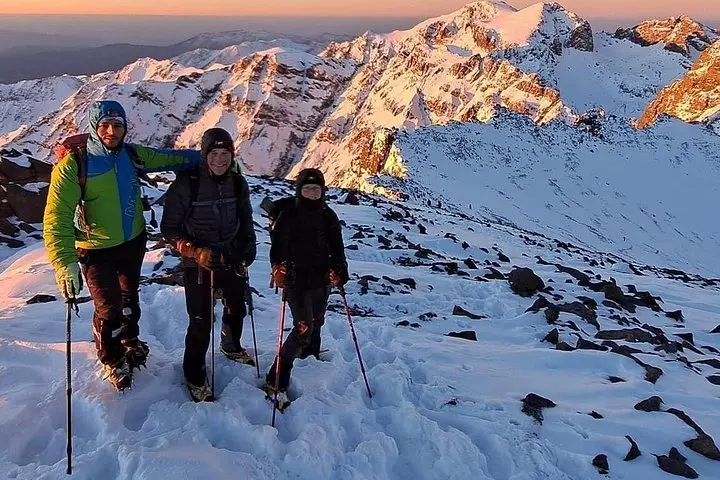
Two days of trekking from Imlil to Jebel Toubkal delivers North Africa’s highest summit, close views of Amazigh villages, and alpine ridgelines without technical climbing. Expect steep trails, a refuge overnight, and sweeping Atlas panoramas.
Two days of trekking from Imlil to Jebel Toubkal delivers North Africa’s highest summit, close views of Amazigh villages, and alpine ridgelines without technical climbing. Expect steep trails, a refuge overnight, and sweeping Atlas panoramas.
You leave Marrakech before dawn, the city’s heat thinning behind you as the road climbs toward Imlil and the Atlas elevators of stone and sky. The Mizane Valley tightens into gullies, terraces and walnut groves; villages perch like careful hands on the slopes. By mid-afternoon the trail grows steeper, the wind starts to play against the ridges and the refuge appears — a squat shelter where trekkers swap stories and thermoses.
Verified experiences and guided adventures in the surrounding area.
Operated by Marocco Trekking · Imlil, Marrakech-Safi
You leave Marrakech before dawn, the city’s heat thinning behind you as the road climbs toward Imlil and the Atlas elevators of stone and sky. The Mizane Valley tightens into gullies, terraces and walnut groves; villages perch like careful hands on the slopes. By mid-afternoon the trail grows steeper, the wind starts to play against the ridges and the refuge appears — a squat shelter where trekkers swap stories and thermoses.
Jebel Toubkal (4,167 m) is the highest point in North Africa, formed by complex uplifted strata where the Atlas Mountains meet Saharan influences. The area is home to Amazigh (Berber) villages with centuries-old stone houses and shrines such as Chamarouch that blend local faith and mountain tradition. Geologically, the massif is made of folded sedimentary rocks that throw steep gullies and lazy scree slopes underfoot.
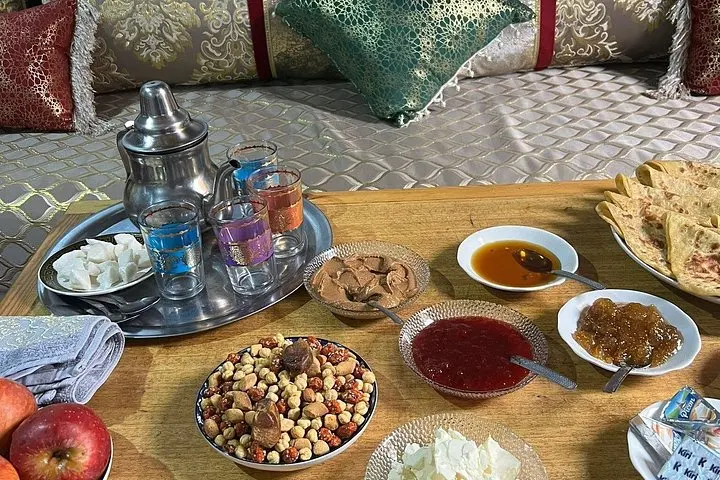
Expect rocky trails, agricultural steps near villages, then larger scree fields and a well-trodden summit ridge. Guides lead route-finding and pace altitude gain to reduce the risk of sickness; the refuge provides basic dormitory shelter and hot meals. Water is scarce on the trail — you’ll rely on carried bottles or limited refills.
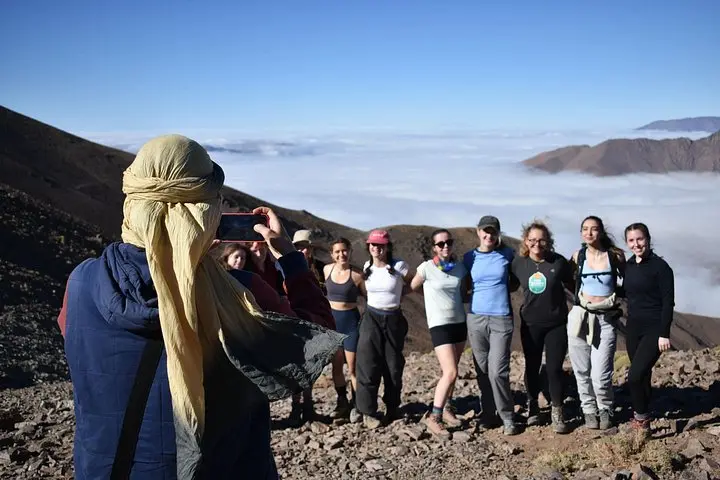
Practical guidance: hike in sturdy boots, layer for strong sun and cold summit winds, start early on summit day to avoid afternoon winds and to maximize safe descent time. Plan for 4–5 hours of walking each day on uneven terrain and altitude exposure. With preparation, this two-day itinerary rewards you with panoramic Atlas views and a clear sense of accomplishment.
The route is non-technical but physically demanding due to sustained uphill walking and altitude; expect steep sections and loose scree.
No technical mountaineering skills are required; guided groups handle navigation and planning, but good fitness is necessary.
Refuge dormitories are basic with shared sleeping areas and communal meals—bring a light sleeping liner and expect simple amenities.
Yes—symptoms can appear; proper pacing, hydration, and awareness are key. Guides monitor the group and will adjust plans as needed.
Marocco Trekking operates guided outdoor trips and adventures with an emphasis on safety, stewardship, and memorable experiences.
You leave Marrakech before dawn, the city’s heat thinning behind you as the road climbs toward Imlil and the Atlas elevators of stone and sky. The Mizane Valley tightens into gullies, terraces and walnut groves; villages perch like careful hands on the slopes. By mid-afternoon the trail grows steeper, the wind starts to play against the ridges and the refuge appears — a squat shelter where trekkers swap stories and thermoses.
You leave Marrakech before dawn, the city’s heat thinning behind you as the road climbs toward Imlil and the Atlas elevators of stone and sky. The Mizane Valley tightens into gullies, terraces and walnut groves; villages perch like careful hands on the slopes. By mid-afternoon the trail grows steeper, the wind starts to play against the ridges and the refuge appears — a squat shelter where trekkers swap stories and thermoses.
Jebel Toubkal (4,167 m) is the highest point in North Africa, formed by complex uplifted strata where the Atlas Mountains meet Saharan influences. The area is home to Amazigh (Berber) villages with centuries-old stone houses and shrines such as Chamarouch that blend local faith and mountain tradition. Geologically, the massif is made of folded sedimentary rocks that throw steep gullies and lazy scree slopes underfoot.
Expect rocky trails, agricultural steps near villages, then larger scree fields and a well-trodden summit ridge. Guides lead route-finding and pace altitude gain to reduce the risk of sickness; the refuge provides basic dormitory shelter and hot meals. Water is scarce on the trail — you’ll rely on carried bottles or limited refills.
Practical guidance: hike in sturdy boots, layer for strong sun and cold summit winds, start early on summit day to avoid afternoon winds and to maximize safe descent time. Plan for 4–5 hours of walking each day on uneven terrain and altitude exposure. With preparation, this two-day itinerary rewards you with panoramic Atlas views and a clear sense of accomplishment.