THE ADVENTURE COLLECTIVE® · Independent discovery and booking for outdoor travel

Follow the historic Marangu (Coca-Cola) Route from rainforest to glacier in five days. This practical guide explains what to expect on the huts-based ascent, key logistics, and how to prepare for the midnight push to Uhuru Peak.
Follow the historic Marangu (Coca-Cola) Route from rainforest to glacier in five days. This practical guide explains what to expect on the huts-based ascent, key logistics, and how to prepare for the midnight push to Uhuru Peak.
Dawn breaks over the rainforests below Marangu Gate and the path breathes damp earth and bird calls as your group steps into the forest. Moss slicks the roots, sunlight slices through giant ferns, and the trail climbs with a quiet, steady insistence — Marangu’s famous ‘Coca-Cola’ trail, a route that eases you upward through clear vegetation zones toward the moonscape of Kibo.
Verified experiences and guided adventures in the surrounding area.
Operated by Jairos Adventure · Moshi, Kilimanjaro Region
Dawn breaks over the rainforests below Marangu Gate and the path breathes damp earth and bird calls as your group steps into the forest. Moss slicks the roots, sunlight slices through giant ferns, and the trail climbs with a quiet, steady insistence — Marangu’s famous ‘Coca-Cola’ trail, a route that eases you upward through clear vegetation zones toward the moonscape of Kibo.
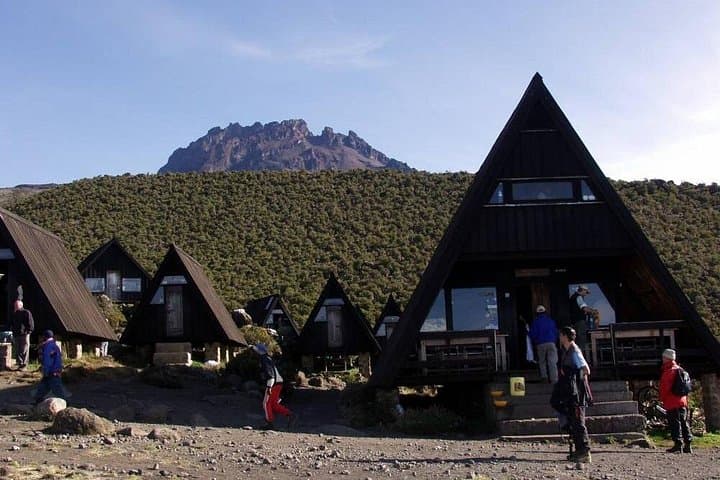
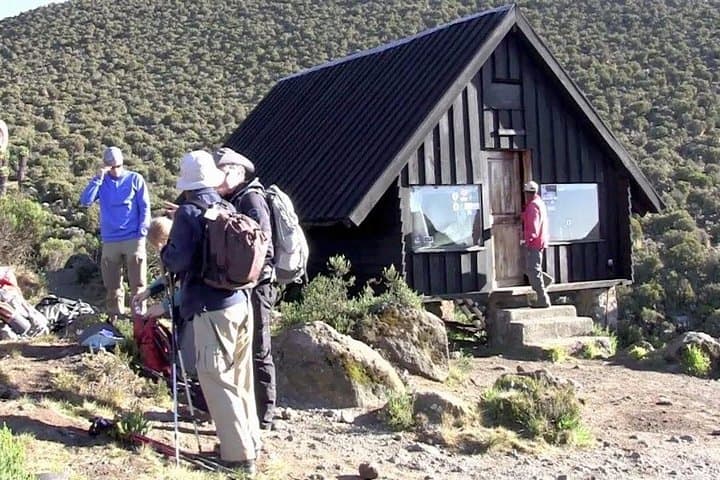
Marangu is the oldest and most established way up Kilimanjaro, first used by Chagga people long before European explorers mapped the mountain. The route crosses distinct ecological bands — montane rainforest, moorland, alpine desert, then glacier-scraped crater rim — revealing geology from volcanic saddle plains to Kibo’s basaltic summit cone. Along the way you’ll pass Mandara and Horombo huts — communal A-frame refuges with bunk beds and warm meals — and traces of Chagga agricultural terraces lower on the flanks.
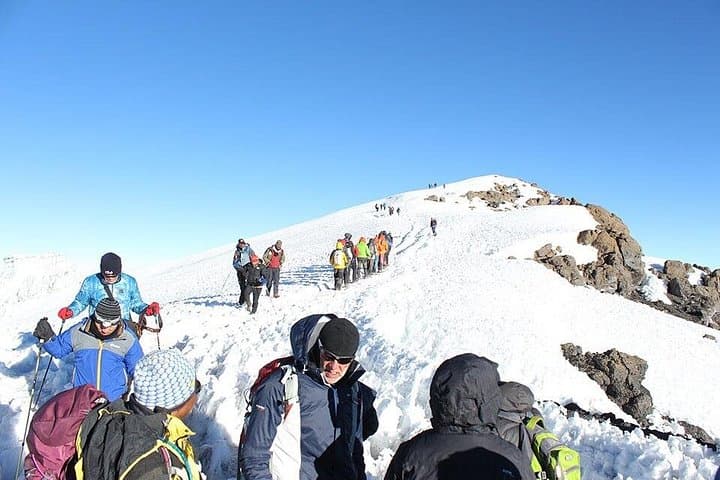
Expect long walking days of steep sections and high altitude; the summit push starts around midnight for a pre-dawn Uhuru Peak arrival. Weather swings fast: warm below, freezing on the rim. Respect acclimatization — many guides recommend a sixth day to reduce altitude risk. Practicalities: permits are required and park fees support conservation; the Marangu track is busy, so early-season bookings improve hut space. Bring layered clothing, a strong sleeping kit, and a headlamp for the night ascent. Hydrate deliberately, walk steadily, and listen to guides — the mountain rewards patience with vast crater views and a summit that truly feels like the Roof of Africa.
No technical climbing skills are required—the route is a trek, not a rock-climb—but prior multi-day hiking experience and good fitness are important.
Summit temperatures commonly fall below −10°C (14°F) with wind chill; expect freezing conditions and dress accordingly.
Huts are communal A-frame buildings with bunk mattresses; they’re basic and shared, so bring a warm liner and earplugs.
Acute mountain sickness can occur; guides monitor symptoms, recommend slow ascent, hydration, and may arrange descent or medical care if needed.
Jairos Adventure operates guided outdoor trips and adventures with an emphasis on safety, stewardship, and memorable experiences.
Dawn breaks over the rainforests below Marangu Gate and the path breathes damp earth and bird calls as your group steps into the forest. Moss slicks the roots, sunlight slices through giant ferns, and the trail climbs with a quiet, steady insistence — Marangu’s famous ‘Coca-Cola’ trail, a route that eases you upward through clear vegetation zones toward the moonscape of Kibo.
Dawn breaks over the rainforests below Marangu Gate and the path breathes damp earth and bird calls as your group steps into the forest. Moss slicks the roots, sunlight slices through giant ferns, and the trail climbs with a quiet, steady insistence — Marangu’s famous ‘Coca-Cola’ trail, a route that eases you upward through clear vegetation zones toward the moonscape of Kibo.
Marangu is the oldest and most established way up Kilimanjaro, first used by Chagga people long before European explorers mapped the mountain. The route crosses distinct ecological bands — montane rainforest, moorland, alpine desert, then glacier-scraped crater rim — revealing geology from volcanic saddle plains to Kibo’s basaltic summit cone. Along the way you’ll pass Mandara and Horombo huts — communal A-frame refuges with bunk beds and warm meals — and traces of Chagga agricultural terraces lower on the flanks.
Expect long walking days of steep sections and high altitude; the summit push starts around midnight for a pre-dawn Uhuru Peak arrival. Weather swings fast: warm below, freezing on the rim. Respect acclimatization — many guides recommend a sixth day to reduce altitude risk. Practicalities: permits are required and park fees support conservation; the Marangu track is busy, so early-season bookings improve hut space. Bring layered clothing, a strong sleeping kit, and a headlamp for the night ascent. Hydrate deliberately, walk steadily, and listen to guides — the mountain rewards patience with vast crater views and a summit that truly feels like the Roof of Africa.