THE ADVENTURE COLLECTIVE® · Independent discovery and booking for outdoor travel

A six-day private climb on the Machame Route takes you from rainforest to the roof of Africa. This guide explains what to expect — terrain, acclimatization, and practical gear for a successful Uhuru Peak push.
A six-day private climb on the Machame Route takes you from rainforest to the roof of Africa. This guide explains what to expect — terrain, acclimatization, and practical gear for a successful Uhuru Peak push.
You step off the jeep into damp forest air and the mountain seems to inhale around you — moss clings to trunks, colobus monkeys call, and the path threads upward into cloud. Over six days the Machame Route shifts like a natural screenplay: rainforest to moorland, then alpine desert, and finally a raw, wind-scoured ridge where the mountain demands everything.
Verified experiences and guided adventures in the surrounding area.
Operated by Karagwe Tours & Safaris · Moshi, Kilimanjaro Region
You step off the jeep into damp forest air and the mountain seems to inhale around you — moss clings to trunks, colobus monkeys call, and the path threads upward into cloud. Over six days the Machame Route shifts like a natural screenplay: rainforest to moorland, then alpine desert, and finally a raw, wind-scoured ridge where the mountain demands everything.
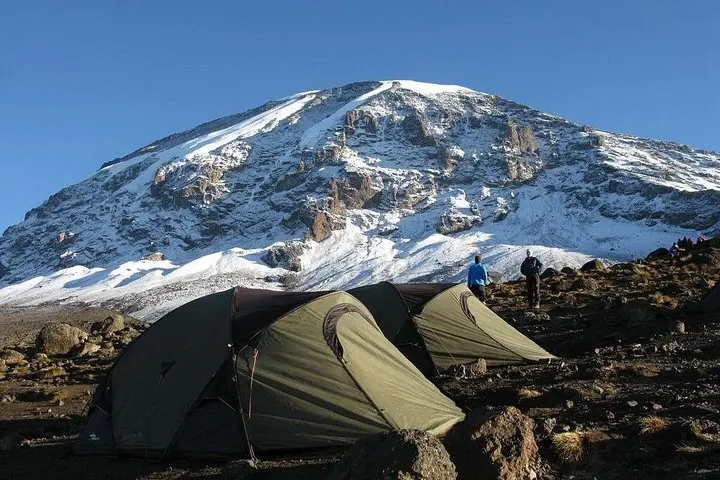
Kilimanjaro is a dormant volcanic massif with three cones; Kibo holds Uhuru Peak at 5,895–5,985m depending on your map. The Machame Route, prized for scenery and acclimatization, follows historic footpaths long used by the Chagga people and early explorers. Glaciers on Kibo have retreated dramatically in the last century, a visible sign of changing climate atop this equatorial giant.
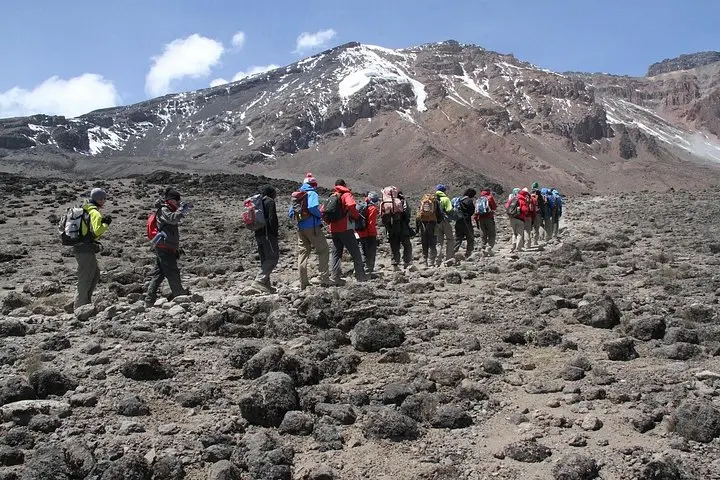
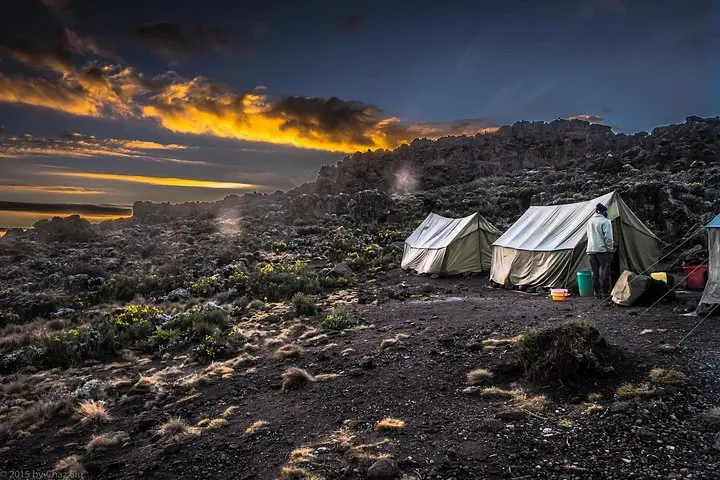
Expect mobile tent camping each night, long uphill days (4–7 hours typically), and a summit push that starts around midnight for a pre-dawn sunrise at Stella Point and the final crawl to Uhuru. Guides and porters manage logistics; hikers carry a daypack. Altitude is the real challenge — pace, hydration and sleep matter more than speed.
Practical guidance: train with long uphill hikes and back-to-back days; break in sturdy, broken-in boots; plan 1–2 liters of accessible water for summit night and use electrolyte mixes. Layering is crucial — nights are frigid, days can be hot on exposed slopes. Respect the mountain: stick to routes, pack out waste, and budget tips for guides and porters.
By the last descent, the forest seems to claim you back, each step down a quieter celebration of distance covered and a summit earned.
Challenging — long days, steep gains and a midnight summit push; good fitness and altitude resilience are required.
No technical ropes or crampons are required on the standard Machame route, but warm clothing and sturdy boots are essential.
Acute Mountain Sickness is possible; follow guide instructions, hydrate, eat, and ascend slowly — guides may descend symptomatic climbers.
This tour includes all park fees and guide services; confirm specific inclusions with the operator at booking.
Karagwe Tours & Safaris operates guided outdoor trips and adventures with an emphasis on safety, stewardship, and memorable experiences.
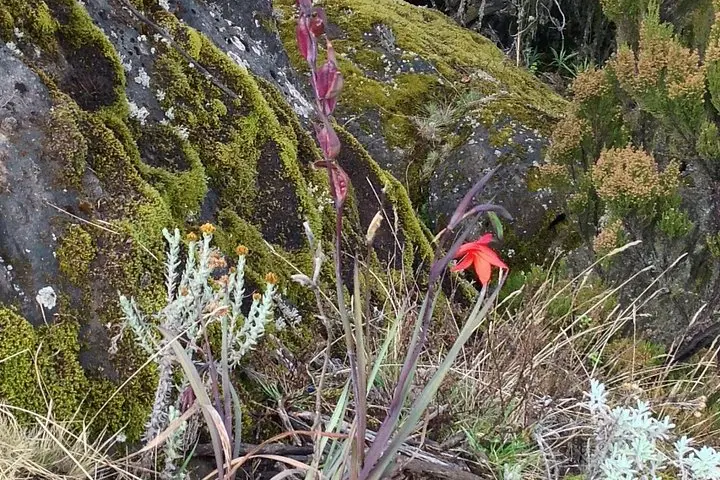
You step off the jeep into damp forest air and the mountain seems to inhale around you — moss clings to trunks, colobus monkeys call, and the path threads upward into cloud. Over six days the Machame Route shifts like a natural screenplay: rainforest to moorland, then alpine desert, and finally a raw, wind-scoured ridge where the mountain demands everything.
You step off the jeep into damp forest air and the mountain seems to inhale around you — moss clings to trunks, colobus monkeys call, and the path threads upward into cloud. Over six days the Machame Route shifts like a natural screenplay: rainforest to moorland, then alpine desert, and finally a raw, wind-scoured ridge where the mountain demands everything.
Kilimanjaro is a dormant volcanic massif with three cones; Kibo holds Uhuru Peak at 5,895–5,985m depending on your map. The Machame Route, prized for scenery and acclimatization, follows historic footpaths long used by the Chagga people and early explorers. Glaciers on Kibo have retreated dramatically in the last century, a visible sign of changing climate atop this equatorial giant.
Expect mobile tent camping each night, long uphill days (4–7 hours typically), and a summit push that starts around midnight for a pre-dawn sunrise at Stella Point and the final crawl to Uhuru. Guides and porters manage logistics; hikers carry a daypack. Altitude is the real challenge — pace, hydration and sleep matter more than speed.
Practical guidance: train with long uphill hikes and back-to-back days; break in sturdy, broken-in boots; plan 1–2 liters of accessible water for summit night and use electrolyte mixes. Layering is crucial — nights are frigid, days can be hot on exposed slopes. Respect the mountain: stick to routes, pack out waste, and budget tips for guides and porters.
By the last descent, the forest seems to claim you back, each step down a quieter celebration of distance covered and a summit earned.