THE ADVENTURE COLLECTIVE® · Independent discovery and booking for outdoor travel

Take the Lemosho Route for a seven-day, gradual ascent to Uhuru Peak on Mount Kilimanjaro. This itinerary prioritizes acclimatization across diverse terrain—from Shira Plateau to the Barranco Wall—offering a high success rate for summit hopefuls.
Take the Lemosho Route for a seven-day, gradual ascent to Uhuru Peak on Mount Kilimanjaro. This itinerary prioritizes acclimatization across diverse terrain—from Shira Plateau to the Barranco Wall—offering a high success rate for summit hopefuls.
Dawn on the Shira Plateau arrives cool and thin—clouds spill across a sloping plain while Kibo's jagged crown looms above, daring you upward. On the Lemosho Route the mountain unfolds gradually: broad moorland gives way to alpine desert, then a knife-edge of scree and ice before the final push to Uhuru Peak.
Verified experiences and guided adventures in the surrounding area.
Operated by Kilimanjaro Guru Expeditions · Moshi, Kilimanjaro Region
Dawn on the Shira Plateau arrives cool and thin—clouds spill across a sloping plain while Kibo's jagged crown looms above, daring you upward. On the Lemosho Route the mountain unfolds gradually: broad moorland gives way to alpine desert, then a knife-edge of scree and ice before the final push to Uhuru Peak.
The Lemosho approach is younger in commercial use than Marangu or Machame but follows ancient volcanic folds of Kilimanjaro, a dormant stratovolcano built from layers of basalt and ash. Cultural ties run deep: Chagga towns on the southern foothills farm fertile volcanic soils, and porters and guides keep climbing knowledge alive through seasonal rhythms and storytelling.
Geologically, Kilimanjaro’s three cones—Kibo, Mawenzi and Shira—chart the mountain’s slow collapse; on Lemosho you'll walk across the plateau of an old caldera and watch weather systems form and break on the flanks.
Practically, expect seven days of staged ascents and measured acclimatization: daytime hikes of 3–7 hours, camps at Shira, Barranco, Karanga and Barafu, then a midnight summit bid. Trails alternate hard-packed dirt, rocky scree and steep ladders on the Barranco Wall; altitude is the real test, not technical rock or ice.
Pack layers for wide temperature swings, move at a conservative pace, and drink often—one liter per hour on summit day is a good target. Trust your guide, use trekking poles on descents, and build rest into the itinerary: the mountain rewards patience more than speed.
Lemosho is considered one of the gentler routes in terms of gradient because it gains altitude gradually; however, it's still physically demanding due to long days and high altitude.
No technical climbing skills or equipment (crampons/ice axe) are required on the standard Lemosho route; travel providers supply camping gear and porters handle heavy loads.
Acute mountain sickness is the primary risk—symptoms include headache, nausea and fatigue; guided teams use staged acclimatization and can provide oxygen and medical kits if needed.
Dry seasons—late June to October and late December to February—offer more stable conditions, though weather on Kilimanjaro can change rapidly year-round.
Kilimanjaro Guru Expeditions operates guided outdoor trips and adventures with an emphasis on safety, stewardship, and memorable experiences.
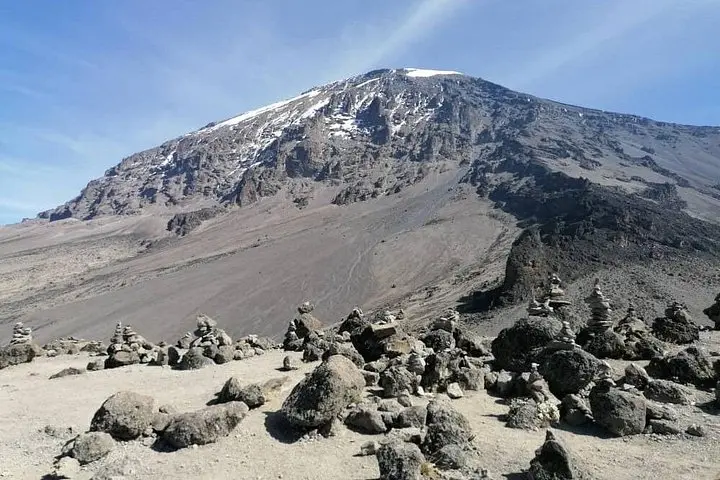
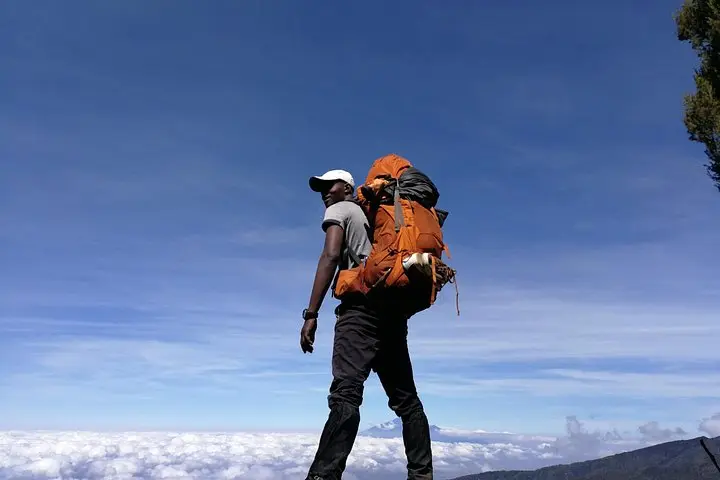
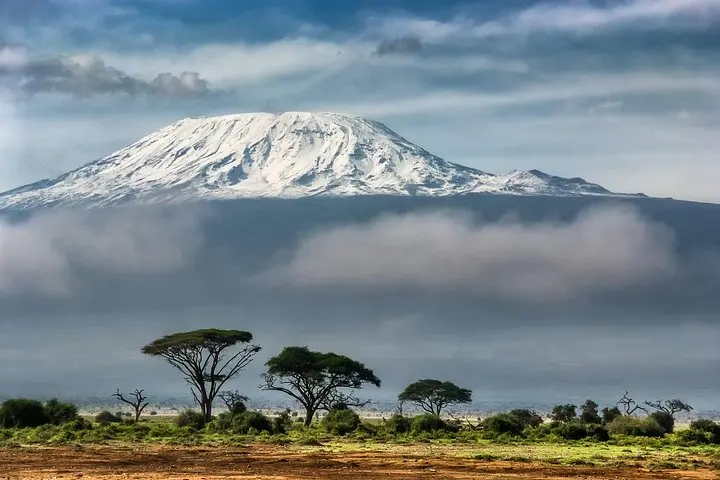
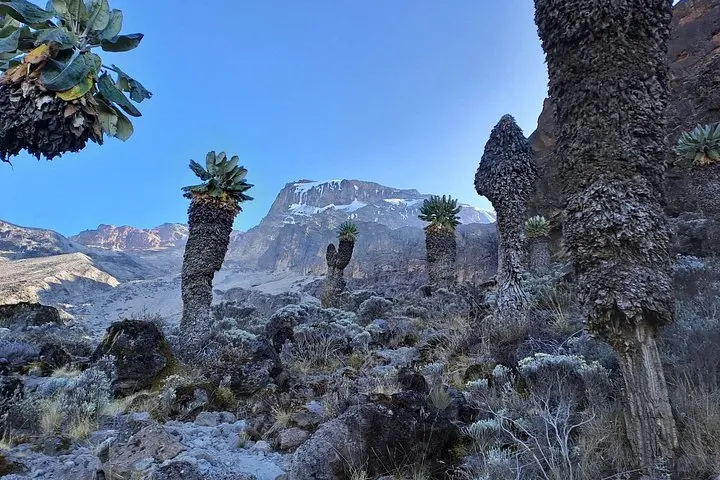
Dawn on the Shira Plateau arrives cool and thin—clouds spill across a sloping plain while Kibo's jagged crown looms above, daring you upward. On the Lemosho Route the mountain unfolds gradually: broad moorland gives way to alpine desert, then a knife-edge of scree and ice before the final push to Uhuru Peak.
Dawn on the Shira Plateau arrives cool and thin—clouds spill across a sloping plain while Kibo's jagged crown looms above, daring you upward. On the Lemosho Route the mountain unfolds gradually: broad moorland gives way to alpine desert, then a knife-edge of scree and ice before the final push to Uhuru Peak.
The Lemosho approach is younger in commercial use than Marangu or Machame but follows ancient volcanic folds of Kilimanjaro, a dormant stratovolcano built from layers of basalt and ash. Cultural ties run deep: Chagga towns on the southern foothills farm fertile volcanic soils, and porters and guides keep climbing knowledge alive through seasonal rhythms and storytelling.
Geologically, Kilimanjaro’s three cones—Kibo, Mawenzi and Shira—chart the mountain’s slow collapse; on Lemosho you'll walk across the plateau of an old caldera and watch weather systems form and break on the flanks.
Practically, expect seven days of staged ascents and measured acclimatization: daytime hikes of 3–7 hours, camps at Shira, Barranco, Karanga and Barafu, then a midnight summit bid. Trails alternate hard-packed dirt, rocky scree and steep ladders on the Barranco Wall; altitude is the real test, not technical rock or ice.
Pack layers for wide temperature swings, move at a conservative pace, and drink often—one liter per hour on summit day is a good target. Trust your guide, use trekking poles on descents, and build rest into the itinerary: the mountain rewards patience more than speed.