THE ADVENTURE COLLECTIVE® · Independent discovery and booking for outdoor travel

An eight-day guided ascent of Kilimanjaro via the Machame Route that balances panoramic, varied terrain with deliberate acclimatization. Expect rainforest, high plateaus and a midnight summit push to Uhuru Peak at 5,896 m.
An eight-day guided ascent of Kilimanjaro via the Machame Route that balances panoramic, varied terrain with deliberate acclimatization. Expect rainforest, high plateaus and a midnight summit push to Uhuru Peak at 5,896 m.
You step off the jeep and the mountain takes its measure of you: a raw, layered mass of volcanic rock and permanent ice rising out of a patchwork of rainforest. On day one the trail threads through shadowed trees, damp earth smelling of moss and oxalis, porters slipping by like practiced shadows with their canvas loads. Over eight days the Machame Route stages its scenes—Shira Plateau under a late-afternoon sun, the carved ribs of the Barranco Wall, the exposed moonscape above Barafu—each section testing lungs, patience and resolve.
Verified experiences and guided adventures in the surrounding area.
Operated by Gracepatt Ecotours Kenya · Moshi, Kilimanjaro Region
You step off the jeep and the mountain takes its measure of you: a raw, layered mass of volcanic rock and permanent ice rising out of a patchwork of rainforest. On day one the trail threads through shadowed trees, damp earth smelling of moss and oxalis, porters slipping by like practiced shadows with their canvas loads. Over eight days the Machame Route stages its scenes—Shira Plateau under a late-afternoon sun, the carved ribs of the Barranco Wall, the exposed moonscape above Barafu—each section testing lungs, patience and resolve.
Machame, known locally as the Whiskey Route, was opened for trekkers drawn to variety and views. Unlike the hut-based Marangu corridor, it uses camps and porters, a system that evolved with Kilimanjaro's modern trekking culture and the long history of the Chagga people who live on the mountain's lower slopes. Geologically Kibo, Mawenzi and Shira are remnants of a triple volcanic system; the summit of Kibo is a dormant cone crowned by glaciers that are rapidly receding, offering visible evidence of climatic shifts.
Culture here is pragmatic and warm. Guides and porters are often Chagga or from other Tanzanian highland communities; their rhythm on the path and knowledge of microclimates are part of the ascent. Expect simple, hearty camp meals prepared by cooks and a strict etiquette around tipping and treating crew with respect.
Practical edge: altitude is the principal challenge. The itinerary stretches acclimatization over eight days to improve summit odds, but success still depends on pacing, hydration and listening to guides. Terrain ranges from root-laced rainforest and eroded hillside on early days to scree and loose volcanic talus near Barafu. Day 6 starts with a midnight push to Uhuru Peak at 5,896 m—plan for a 10- to 12-hour round trip that includes hours of slow, upward switchbacks in near-freezing air.
Useful logistics: most operators pick up from Moshi or Kilimanjaro Airport; accommodations before and after are basic but comfortable. You'll want a reliable down jacket, insulated sleeping bag rated to at least -10C, and trekking poles for steep descents. Hydration should be frequent; carry a 2–3 liter system plus electrolyte options. On summit night, calorie-dense snacks and layered clothing are vital.
If you go, give yourself a day in Moshi to rest and sort gear, budget a respectful tip for crew, and be ready to trade comfort for one of Africa's most elemental, uncompromising high-altitude adventures.
You should have good aerobic fitness and recent experience with day hikes and multi-day trekking; the route is non-technical but long days and elevation gain demand endurance.
No technical ice-climbing gear is required for the standard Machame route; crampons are seldom necessary though guides may carry them depending on conditions.
Summit success depends on acclimatization, weather and individual response to altitude; the eight-day itinerary improves odds but cannot guarantee summit for every climber.
Meals are prepared by a cook for the group and clients sleep in two-person tents; basic foam pads are provided but many climbers bring their own sleeping pad.
Short dry seasons—January to mid-March and late June to October—offer more stable weather, though climbs are possible year-round with variable conditions.
Tipping is customary; a common guideline is to set aside a collective crew tip to be distributed by the lead guide, often around 10–15% of the tour price or a fixed per-person amount depending on service.
Gracepatt Ecotours Kenya operates guided outdoor trips and adventures with an emphasis on safety, stewardship, and memorable experiences.
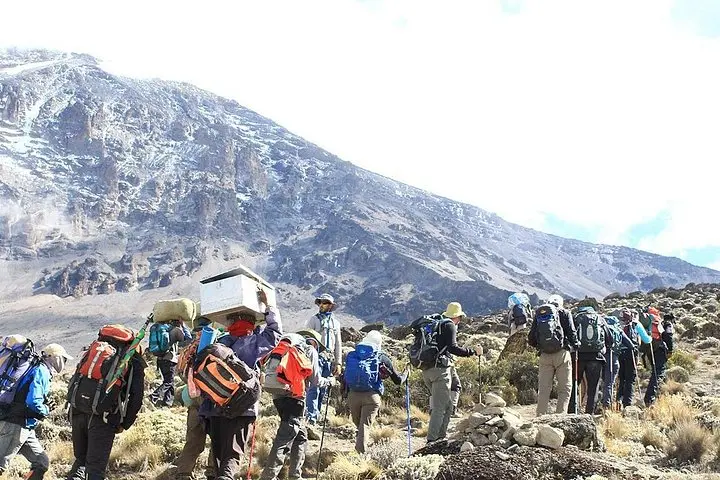
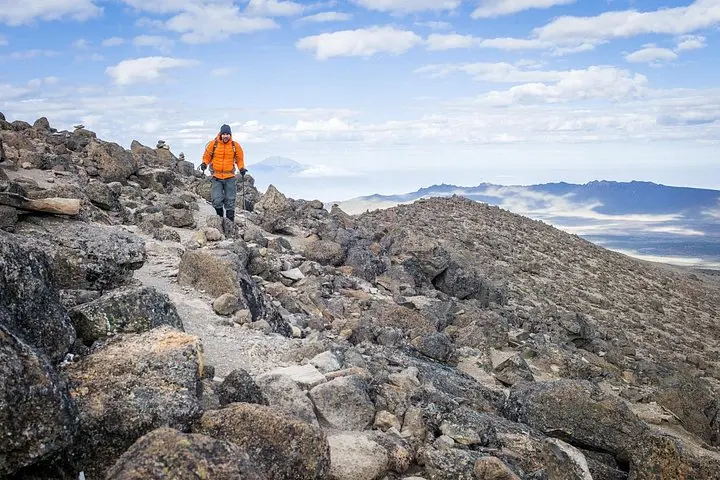
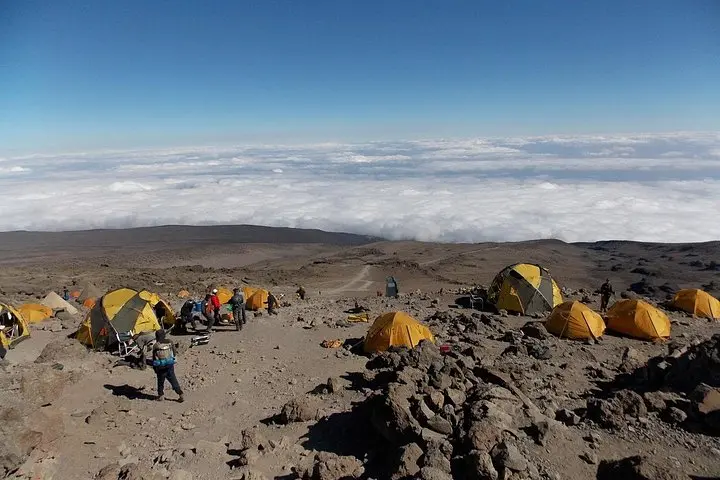
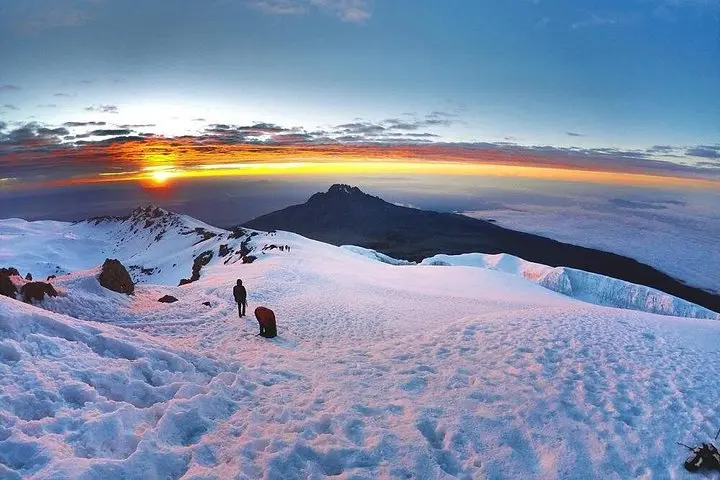
You step off the jeep and the mountain takes its measure of you: a raw, layered mass of volcanic rock and permanent ice rising out of a patchwork of rainforest. On day one the trail threads through shadowed trees, damp earth smelling of moss and oxalis, porters slipping by like practiced shadows with their canvas loads. Over eight days the Machame Route stages its scenes—Shira Plateau under a late-afternoon sun, the carved ribs of the Barranco Wall, the exposed moonscape above Barafu—each section testing lungs, patience and resolve.
You step off the jeep and the mountain takes its measure of you: a raw, layered mass of volcanic rock and permanent ice rising out of a patchwork of rainforest. On day one the trail threads through shadowed trees, damp earth smelling of moss and oxalis, porters slipping by like practiced shadows with their canvas loads. Over eight days the Machame Route stages its scenes—Shira Plateau under a late-afternoon sun, the carved ribs of the Barranco Wall, the exposed moonscape above Barafu—each section testing lungs, patience and resolve.
Machame, known locally as the Whiskey Route, was opened for trekkers drawn to variety and views. Unlike the hut-based Marangu corridor, it uses camps and porters, a system that evolved with Kilimanjaro's modern trekking culture and the long history of the Chagga people who live on the mountain's lower slopes. Geologically Kibo, Mawenzi and Shira are remnants of a triple volcanic system; the summit of Kibo is a dormant cone crowned by glaciers that are rapidly receding, offering visible evidence of climatic shifts.
Culture here is pragmatic and warm. Guides and porters are often Chagga or from other Tanzanian highland communities; their rhythm on the path and knowledge of microclimates are part of the ascent. Expect simple, hearty camp meals prepared by cooks and a strict etiquette around tipping and treating crew with respect.
Practical edge: altitude is the principal challenge. The itinerary stretches acclimatization over eight days to improve summit odds, but success still depends on pacing, hydration and listening to guides. Terrain ranges from root-laced rainforest and eroded hillside on early days to scree and loose volcanic talus near Barafu. Day 6 starts with a midnight push to Uhuru Peak at 5,896 m—plan for a 10- to 12-hour round trip that includes hours of slow, upward switchbacks in near-freezing air.
Useful logistics: most operators pick up from Moshi or Kilimanjaro Airport; accommodations before and after are basic but comfortable. You'll want a reliable down jacket, insulated sleeping bag rated to at least -10C, and trekking poles for steep descents. Hydration should be frequent; carry a 2–3 liter system plus electrolyte options. On summit night, calorie-dense snacks and layered clothing are vital.
If you go, give yourself a day in Moshi to rest and sort gear, budget a respectful tip for crew, and be ready to trade comfort for one of Africa's most elemental, uncompromising high-altitude adventures.