THE ADVENTURE COLLECTIVE® · Independent discovery and booking for outdoor travel

Approach Africa’s highest peak on a quieter, northern line: the Rongai Route offers a 7-day, low-traffic climb from Moshi that trades crowds for solitude and steady acclimatization. Read on for what to expect—terrain, daily gains, and practical prep for summit night.
Approach Africa’s highest peak on a quieter, northern line: the Rongai Route offers a 7-day, low-traffic climb from Moshi that trades crowds for solitude and steady acclimatization. Read on for what to expect—terrain, daily gains, and practical prep for summit night.
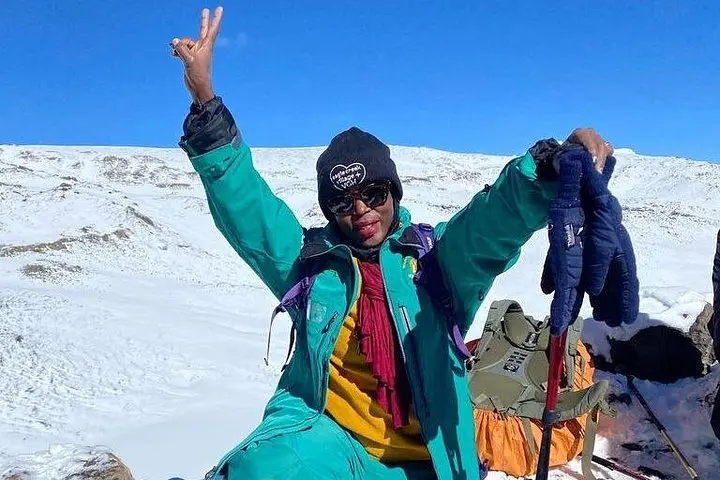
The headlamp pool breaks into a scatter of pale stars as the group files out of Kibo Hut at 1:30 a.m., boots crunching on cold scree. Wind pushes across the saddle, as if the mountain itself is testing resolve; every breath tastes thin and clean. By the time the sun pricks the crater rim at Stella Point, the landscape has gone from lunar grey to a hard, cold gold, and Uhuru Peak sits like an earned promise above the glaciers.
Verified experiences and guided adventures in the surrounding area.
Operated by ALMIGHTY KILIMANJARO · Moshi, Kilimanjaro
The headlamp pool breaks into a scatter of pale stars as the group files out of Kibo Hut at 1:30 a.m., boots crunching on cold scree. Wind pushes across the saddle, as if the mountain itself is testing resolve; every breath tastes thin and clean. By the time the sun pricks the crater rim at Stella Point, the landscape has gone from lunar grey to a hard, cold gold, and Uhuru Peak sits like an earned promise above the glaciers.
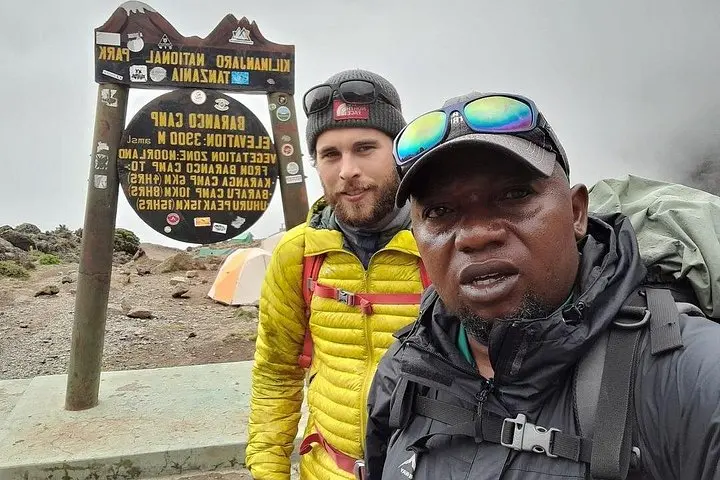
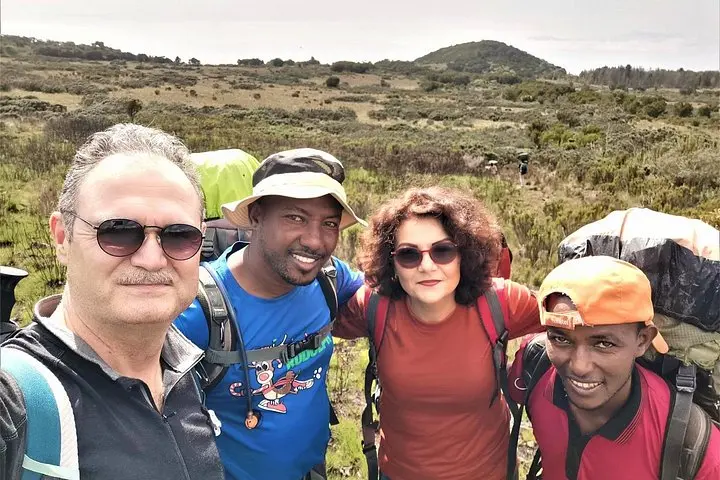
This seven-day Rongai itinerary starts in Moshi and approaches Kilimanjaro from the north—the only route that skirts the Kenyan border. Unlike Marangu’s busy tracks, Rongai threads quieter forests and broad moorland, then climbs through alpine desert towards Kibo’s ice fields. The route’s geology is the visible story of a giant stratovolcano: layered volcanic debris, scree slopes and the knife-edge ridges of Mawenzi carved by freeze-thaw and ancient eruptions. You’ll cross zones—from rainforests alive with birdcall to moorland heaths, then to the sparse, wind-polished saddle—each with its own weather personality and pace.
Culturally, Kilimanjaro has long been held sacred by local Chagga communities who live on the mountain’s lower slopes and maintain coffee farms that roll down into Moshi’s valley. Guides and porters in the region still work in traditional caravans, and the ritual of summit ceremonies and certificate handoffs at Marangu Gate is a modern echo of respect and gratitude.
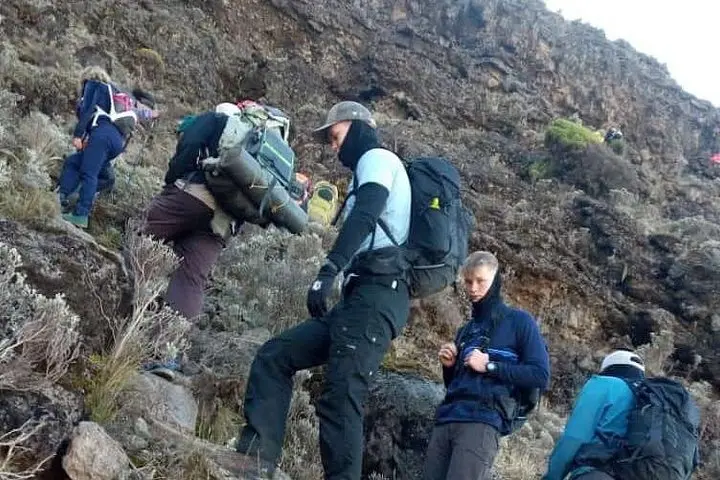
Practically, the days are measured: day one is a 7 km climb gaining roughly 638 m to Simba Camp; later stages include a steady 852 m gain to Second Cave and a critical summit push from Kibo Hut—about 4 km up with a 721 m gain to reach 5,895 m (Uhuru Peak). Expect walking surfaces to shift from packed earth to moorish tussock, scree, and finally snowy, icy trails near the crater rim.
Plan for altitude rather than technical difficulty. Hydration, steady pacing and night-time acclimatization are your best tools; the itinerary builds in acclimatization but listen to your body and your guide. Gear up with warm, breathable layers, sturdy boots and gaiters for the muddy final descent toward Marangu Gate. Nighttime summit attempts start around midnight—sleep in the afternoon, eat light, and keep hand warmers and spare gloves to prevent numbness.
Logistics are straightforward: pick-up and drop-off in Moshi, tented camps on the mountain, and meals provided. Bring tramadol or acetazolamide only under medical advice, and budget a respectful tip for your climbing crew—porters and guides are the backbone of any successful ascent. The Rongai route rewards climbers with solitude, a truer sense of remoteness, and views of the eastern ice that make the effort unmistakably worth it.
Rongai is less crowded and offers gentler gradients early on, but overall difficulty is similar—summit success hinges on acclimatization rather than technical terrain.
No technical climbing skills are required; however, prior multi-day hiking and a good fitness base improve comfort and odds of summiting.
Acute Mountain Sickness can occur above 3,000 m; guides monitor symptoms, enforce rest days, and recommend descent or medical care if necessary.
Meals (breakfast, lunch, dinner) and tented camps on the mountain are included; Moshi hotel pickup and return are arranged by the operator.
June–October and January–March are popular for clearer skies; Rongai’s northern alignment also fares better in some rainy-season windows.
Tipping is customary—plan around 10–15% of the trip cost to be split among guides, cooks, and porters; adjust for service and group size.
ALMIGHTY KILIMANJARO operates guided outdoor trips and adventures with an emphasis on safety, stewardship, and memorable experiences.
The headlamp pool breaks into a scatter of pale stars as the group files out of Kibo Hut at 1:30 a.m., boots crunching on cold scree. Wind pushes across the saddle, as if the mountain itself is testing resolve; every breath tastes thin and clean. By the time the sun pricks the crater rim at Stella Point, the landscape has gone from lunar grey to a hard, cold gold, and Uhuru Peak sits like an earned promise above the glaciers.
The headlamp pool breaks into a scatter of pale stars as the group files out of Kibo Hut at 1:30 a.m., boots crunching on cold scree. Wind pushes across the saddle, as if the mountain itself is testing resolve; every breath tastes thin and clean. By the time the sun pricks the crater rim at Stella Point, the landscape has gone from lunar grey to a hard, cold gold, and Uhuru Peak sits like an earned promise above the glaciers.
This seven-day Rongai itinerary starts in Moshi and approaches Kilimanjaro from the north—the only route that skirts the Kenyan border. Unlike Marangu’s busy tracks, Rongai threads quieter forests and broad moorland, then climbs through alpine desert towards Kibo’s ice fields. The route’s geology is the visible story of a giant stratovolcano: layered volcanic debris, scree slopes and the knife-edge ridges of Mawenzi carved by freeze-thaw and ancient eruptions. You’ll cross zones—from rainforests alive with birdcall to moorland heaths, then to the sparse, wind-polished saddle—each with its own weather personality and pace.
Culturally, Kilimanjaro has long been held sacred by local Chagga communities who live on the mountain’s lower slopes and maintain coffee farms that roll down into Moshi’s valley. Guides and porters in the region still work in traditional caravans, and the ritual of summit ceremonies and certificate handoffs at Marangu Gate is a modern echo of respect and gratitude.
Practically, the days are measured: day one is a 7 km climb gaining roughly 638 m to Simba Camp; later stages include a steady 852 m gain to Second Cave and a critical summit push from Kibo Hut—about 4 km up with a 721 m gain to reach 5,895 m (Uhuru Peak). Expect walking surfaces to shift from packed earth to moorish tussock, scree, and finally snowy, icy trails near the crater rim.
Plan for altitude rather than technical difficulty. Hydration, steady pacing and night-time acclimatization are your best tools; the itinerary builds in acclimatization but listen to your body and your guide. Gear up with warm, breathable layers, sturdy boots and gaiters for the muddy final descent toward Marangu Gate. Nighttime summit attempts start around midnight—sleep in the afternoon, eat light, and keep hand warmers and spare gloves to prevent numbness.
Logistics are straightforward: pick-up and drop-off in Moshi, tented camps on the mountain, and meals provided. Bring tramadol or acetazolamide only under medical advice, and budget a respectful tip for your climbing crew—porters and guides are the backbone of any successful ascent. The Rongai route rewards climbers with solitude, a truer sense of remoteness, and views of the eastern ice that make the effort unmistakably worth it.