THE ADVENTURE COLLECTIVE® · Independent discovery and booking for outdoor travel

A high-altitude day that combines vehicle access with a steep, non-technical hike to the fumarolic craters of Lascar. Expect dramatic crater views, wildlife sightings, and altitude-driven challenges over a 9–10 hour outing.
A high-altitude day that combines vehicle access with a steep, non-technical hike to the fumarolic craters of Lascar. Expect dramatic crater views, wildlife sightings, and altitude-driven challenges over a 9–10 hour outing.
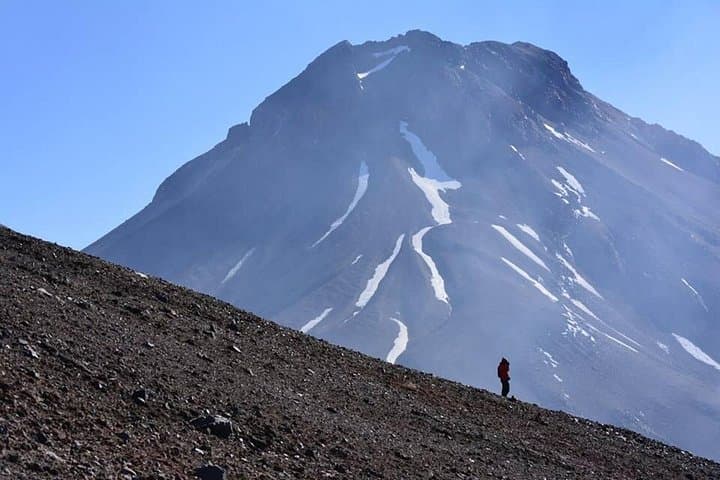
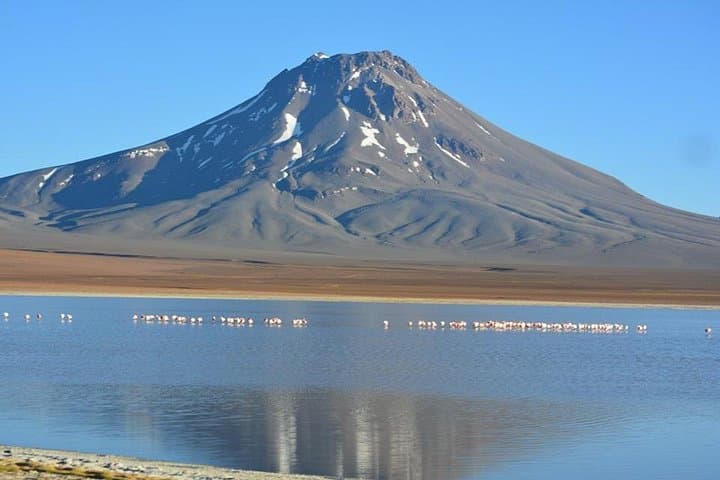
You arrive before sunrise and the salt-flat chill bites at your cheeks. Fingers numb around a thermos, you peer across the Lejía lagoon—a broad, glassy mirror at 4,200 m—while the sharp silhouettes of Chiliques, Aguas Calientes and Lascar itself cut the horizon. Steam from the volcano's central crater threads into the sky as the first light paints sulfur-streaked rock.
Verified experiences and guided adventures in the surrounding area.
Operated by Enjoy Atacama · San Pedro de Atacama, Antofagasta
You arrive before sunrise and the salt-flat chill bites at your cheeks. Fingers numb around a thermos, you peer across the Lejía lagoon—a broad, glassy mirror at 4,200 m—while the sharp silhouettes of Chiliques, Aguas Calientes and Lascar itself cut the horizon. Steam from the volcano's central crater threads into the sky as the first light paints sulfur-streaked rock.
Lascar is the most active volcano in northern Chile; its summit complex of six craters and constant fumarolic output tell a geological story of young, restless magma and repeated eruptions. The high-altitude puna hosts remnant wetlands and tough vegetation shaped by wind, cold and thin air. Past and present cultures in the region—Atacameño communities—have long moved through these plateaus, following water and grazing vicuñas.
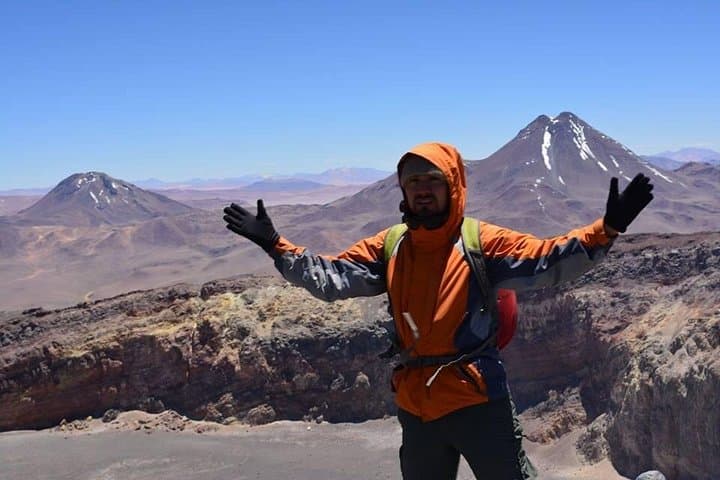
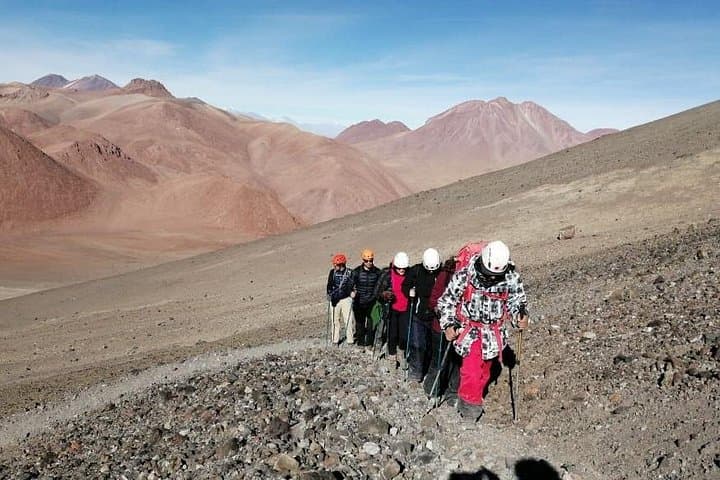
Practically, the experience mixes vehicle access with a steep hike to roughly 5,592 m. Expect 9–10 hours door-to-door, with walking rations provided and a short final vehicle run to the slopes. The ascent is steep but non-technical; the real challenge is altitude and weather. Sulfur fumes can be strong near the crater and the sun is intense on exposed slopes.
Plan for layered insulation, sun protection, and deliberate pacing for altitude acclimatization. Hydrate early, carry more water than you think, and give wildlife space—vicuñas and flamingos are common lower down. With proper preparation, reaching Lascar’s rim rewards you with raw, high-altitude panoramas and a clear sense of an active landscape that keeps moving beneath your feet.
Walking portions vary, but expect a couple of steep hours from the upper vehicle drop to the rim; the full excursion is typically 9–10 hours including transport.
No technical gear is needed for the standard route; it’s a steep, non-technical hike but requires sturdy boots and good footing.
Participants should be free of serious heart or spinal conditions and not pregnant; good cardiovascular fitness and altitude tolerance are important.
Clear, dry months (austral winter/spring) offer stable visibility, but weather is unpredictable—guides may cancel for safety in poor conditions.
Enjoy Atacama operates guided outdoor trips and adventures with an emphasis on safety, stewardship, and memorable experiences.
You arrive before sunrise and the salt-flat chill bites at your cheeks. Fingers numb around a thermos, you peer across the Lejía lagoon—a broad, glassy mirror at 4,200 m—while the sharp silhouettes of Chiliques, Aguas Calientes and Lascar itself cut the horizon. Steam from the volcano's central crater threads into the sky as the first light paints sulfur-streaked rock.
You arrive before sunrise and the salt-flat chill bites at your cheeks. Fingers numb around a thermos, you peer across the Lejía lagoon—a broad, glassy mirror at 4,200 m—while the sharp silhouettes of Chiliques, Aguas Calientes and Lascar itself cut the horizon. Steam from the volcano's central crater threads into the sky as the first light paints sulfur-streaked rock.
Lascar is the most active volcano in northern Chile; its summit complex of six craters and constant fumarolic output tell a geological story of young, restless magma and repeated eruptions. The high-altitude puna hosts remnant wetlands and tough vegetation shaped by wind, cold and thin air. Past and present cultures in the region—Atacameño communities—have long moved through these plateaus, following water and grazing vicuñas.
Practically, the experience mixes vehicle access with a steep hike to roughly 5,592 m. Expect 9–10 hours door-to-door, with walking rations provided and a short final vehicle run to the slopes. The ascent is steep but non-technical; the real challenge is altitude and weather. Sulfur fumes can be strong near the crater and the sun is intense on exposed slopes.
Plan for layered insulation, sun protection, and deliberate pacing for altitude acclimatization. Hydrate early, carry more water than you think, and give wildlife space—vicuñas and flamingos are common lower down. With proper preparation, reaching Lascar’s rim rewards you with raw, high-altitude panoramas and a clear sense of an active landscape that keeps moving beneath your feet.