THE ADVENTURE COLLECTIVE® · Independent discovery and booking for outdoor travel

A classic Himalayan objective, Lobuje Peak combines the Everest Base Camp trek with a technical summit push. This 16-day itinerary balances high-altitude acclimatization with a pre-dawn climb over snow and ice to a 6,119 m summit.
A classic Himalayan objective, Lobuje Peak combines the Everest Base Camp trek with a technical summit push. This 16-day itinerary balances high-altitude acclimatization with a pre-dawn climb over snow and ice to a 6,119 m summit.
Morning wind scrapes across moraine and ice as your headlamp picks out the ribbed ridge above Lobuje High Camp. The path threads past prayer flags and cairns, then opens onto an alpine arena where glaciers gleam and Everest peers between Lhotse and Nuptse. On summit day the mountain demands steady breathing, precise steps and patience; the views repay every careful move.
Verified experiences and guided adventures in the surrounding area.
Operated by Asian Hiking Team · Lobuje, Province No. 1
Morning wind scrapes across moraine and ice as your headlamp picks out the ribbed ridge above Lobuje High Camp. The path threads past prayer flags and cairns, then opens onto an alpine arena where glaciers gleam and Everest peers between Lhotse and Nuptse. On summit day the mountain demands steady breathing, precise steps and patience; the views repay every careful move.
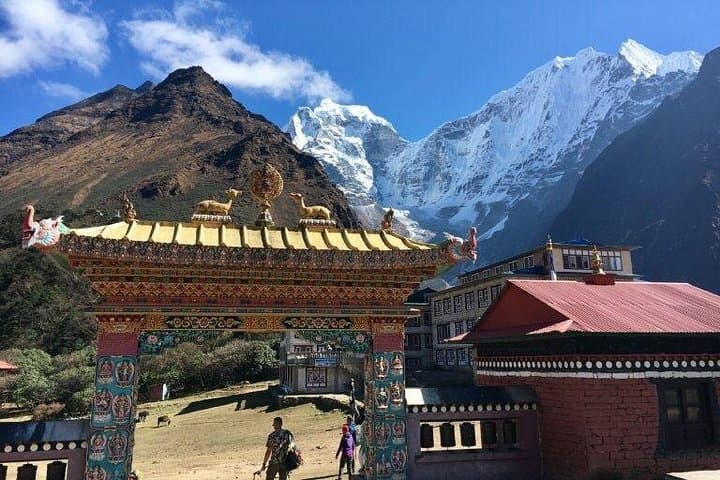
Lobuje (Lobuche) sits inside Sagarmatha National Park, a landscape carved by the Khumbu Glacier and shaped by Himalayan uplift. The peak was first climbed in 1984 and is one of Nepal’s registered trekking peaks; its South Ridge—the normal route—moves from rocky terraces into steep snow and ice. Culturally the route crosses Sherpa villages—Namche, Tengboche and Pangboche—where monasteries, mani walls and seasonal markets reflect centuries of mountain trade and Buddhist practice.
Expect mixed terrain: pine-and-rhododendron trails lower down, loose moraines mid-trek and steep, crevassed glacier and snow slopes nearing the summit. Altitude is the real technicality—progress is governed more by acclimatization than by sprint fitness. Your itinerary usually follows Lukla–Namche–Gorak Shep–Kala Patthar before pushing to Lobuje Base and High Camp for a pre-dawn summit bid.
Practical guidance: climb in pre-monsoon (spring) or post-monsoon (autumn) for stable weather; schedule extra acclimatization days; bring mountaineering boots, crampons and an ice axe and know basic ropework; hydrate, eat frequently and watch for AMS symptoms. Weather can change fast—move early on summit day and give yourself turnaround-time discipline to descend safely.
Yes—while not an 8000m peak, Lobuje requires crampon and ice-axe competency, roped glacier travel and comfort on steep snow and mixed terrain.
Most programs run 14–18 days from Kathmandu, combining the Lukla flight, acclimatization stops and summit logistics—this offering is a 16-day itinerary.
Late spring (April–May) and autumn (September–November) are best for stable weather and clearer visibility; monsoon and deep winter are less favorable.
Altitude is a major factor—proper acclimatization, hydration and conservative pacing are essential; descent is the primary treatment for severe AMS.
Asian Hiking Team operates guided outdoor trips and adventures with an emphasis on safety, stewardship, and memorable experiences.
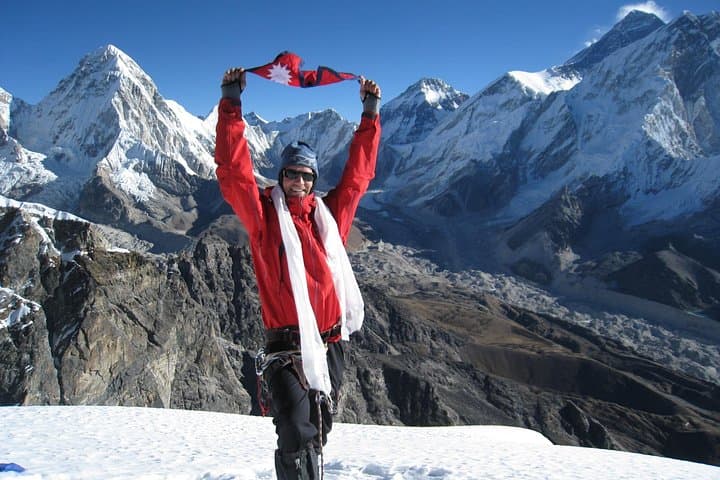
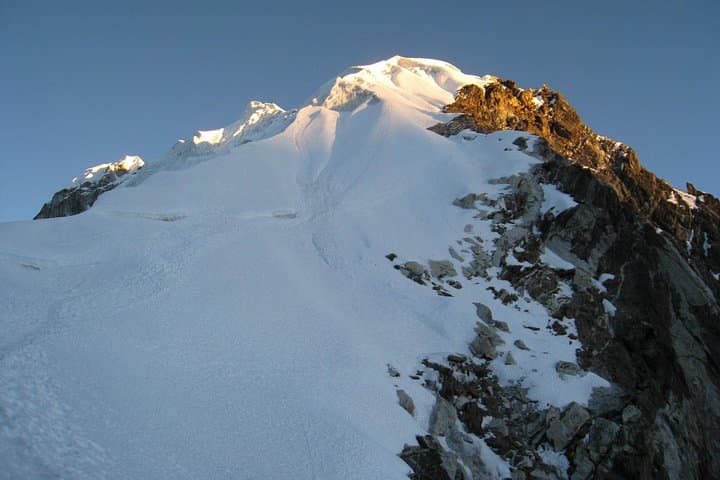
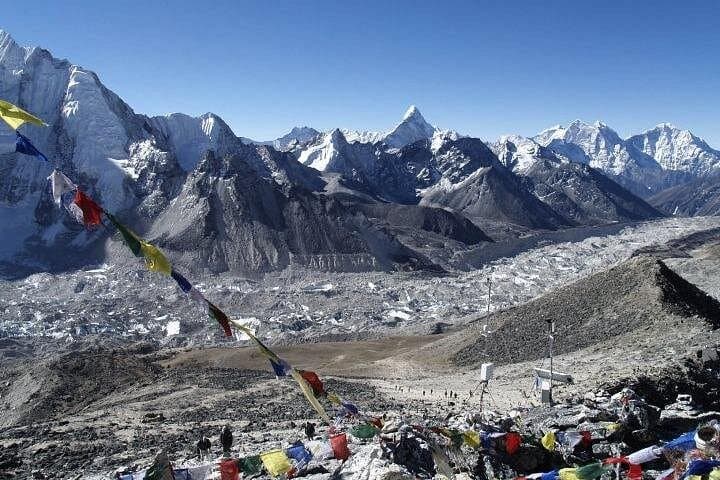
Morning wind scrapes across moraine and ice as your headlamp picks out the ribbed ridge above Lobuje High Camp. The path threads past prayer flags and cairns, then opens onto an alpine arena where glaciers gleam and Everest peers between Lhotse and Nuptse. On summit day the mountain demands steady breathing, precise steps and patience; the views repay every careful move.
Morning wind scrapes across moraine and ice as your headlamp picks out the ribbed ridge above Lobuje High Camp. The path threads past prayer flags and cairns, then opens onto an alpine arena where glaciers gleam and Everest peers between Lhotse and Nuptse. On summit day the mountain demands steady breathing, precise steps and patience; the views repay every careful move.
Lobuje (Lobuche) sits inside Sagarmatha National Park, a landscape carved by the Khumbu Glacier and shaped by Himalayan uplift. The peak was first climbed in 1984 and is one of Nepal’s registered trekking peaks; its South Ridge—the normal route—moves from rocky terraces into steep snow and ice. Culturally the route crosses Sherpa villages—Namche, Tengboche and Pangboche—where monasteries, mani walls and seasonal markets reflect centuries of mountain trade and Buddhist practice.
Expect mixed terrain: pine-and-rhododendron trails lower down, loose moraines mid-trek and steep, crevassed glacier and snow slopes nearing the summit. Altitude is the real technicality—progress is governed more by acclimatization than by sprint fitness. Your itinerary usually follows Lukla–Namche–Gorak Shep–Kala Patthar before pushing to Lobuje Base and High Camp for a pre-dawn summit bid.
Practical guidance: climb in pre-monsoon (spring) or post-monsoon (autumn) for stable weather; schedule extra acclimatization days; bring mountaineering boots, crampons and an ice axe and know basic ropework; hydrate, eat frequently and watch for AMS symptoms. Weather can change fast—move early on summit day and give yourself turnaround-time discipline to descend safely.