THE ADVENTURE COLLECTIVE® · Independent discovery and booking for outdoor travel

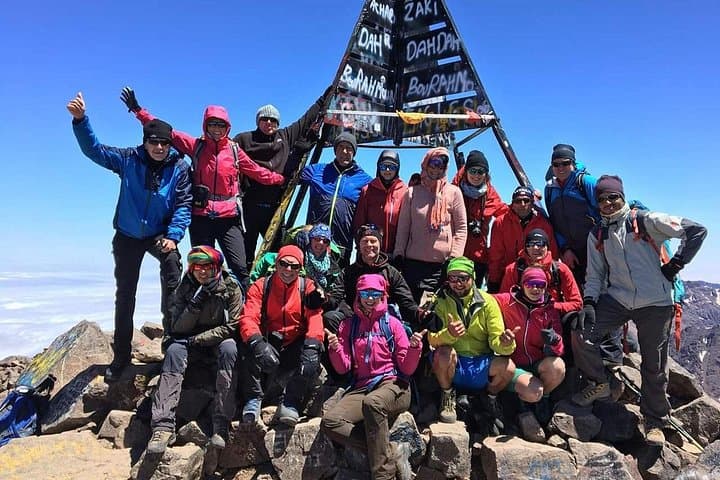
A six-day, non-technical ascent of Mont Toubkal carries walkers from market-town Imlil through high passes, lakes and camps to North Africa’s highest summit. Expect long days, loose scree and a pre-dawn summit push with huge views toward the plains of Marrakech.
A six-day, non-technical ascent of Mont Toubkal carries walkers from market-town Imlil through high passes, lakes and camps to North Africa’s highest summit. Expect long days, loose scree and a pre-dawn summit push with huge views toward the plains of Marrakech.
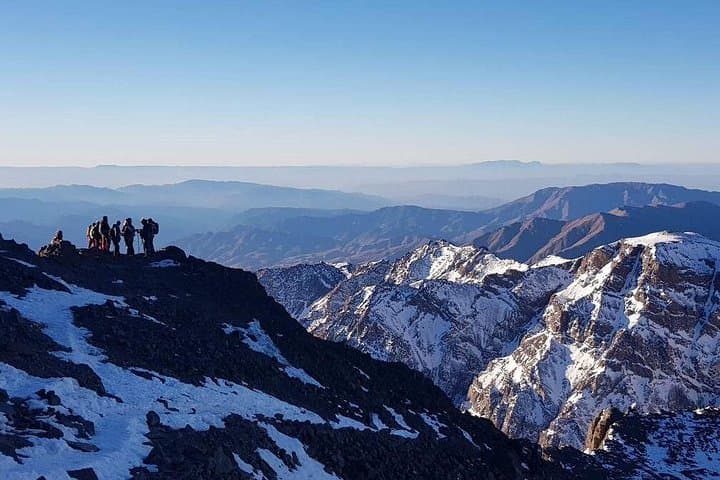
Dawn slips across the High Atlas as your headlamp bobbles through a low, cedar-scented valley and the mules graze, indifferent. The trail out of Imlil climbs quickly into a carved landscape of scree and folded rock; wind and sun shape the ridgelines, and the plain toward Marrakech shrinks into a dusty horizon. By night the sky here is raw and close, the Milky Way pressing like a guide.
Verified experiences and guided adventures in the surrounding area.
Operated by Adrar Aventure SARL · Imlil, Marrakech-Safi
Dawn slips across the High Atlas as your headlamp bobbles through a low, cedar-scented valley and the mules graze, indifferent. The trail out of Imlil climbs quickly into a carved landscape of scree and folded rock; wind and sun shape the ridgelines, and the plain toward Marrakech shrinks into a dusty horizon. By night the sky here is raw and close, the Milky Way pressing like a guide.
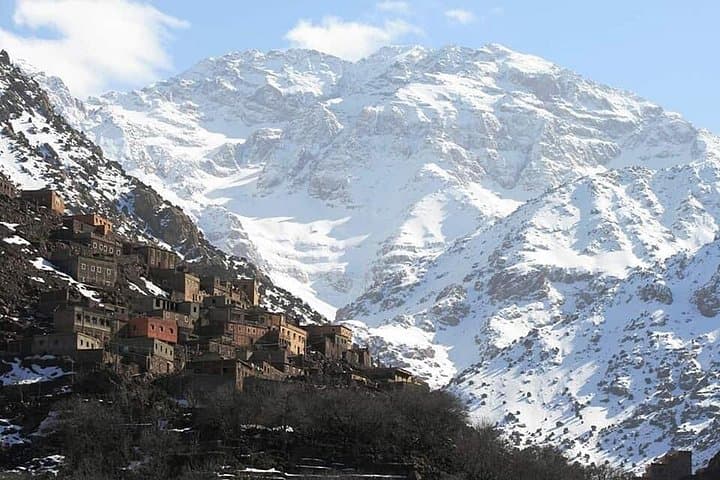
Toubkal (4,167 m) sits on geology of thrust-faulted limestone and schist, a compact massif that rose as the African and Eurasian plates collided. Berber villages here preserve Tamazight language and mountain farming traditions—stone terraces and ancient mule tracks still stitch human life to steep slopes. Lake Ifni, tucked between ridges, adds a cold, reflective pause to the route.
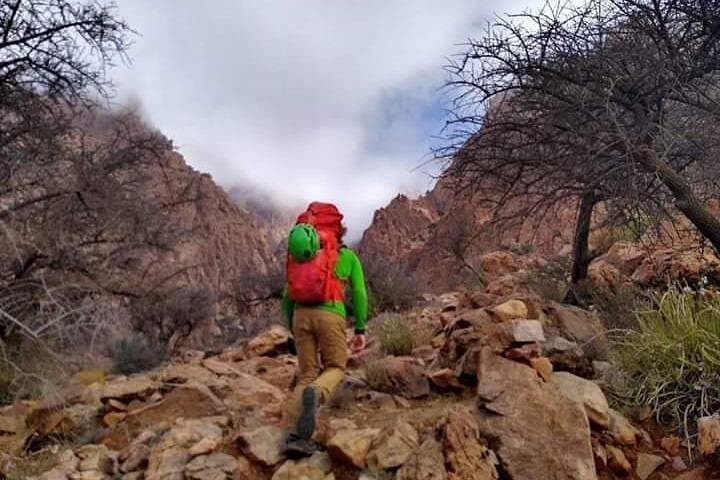
The trek is a classic non-technical high-altitude approach outside winter: long ascents, loose scree, exposed passes and nights in basic gites or camps. Expect 5–7 hours of walking on many days, a few steep zigzags and one pre-dawn summit push of 2–4 hours from the refuge. Acclimatization matters—your pace, hydration and sleep will decide the summit outcome more than raw strength.
Practically: bring layered insulation for frigid summit mornings, gaiters for scree, and poles for descents. Plan for early starts, reserve a mule crew if you need gear help, and carry a small first-aid kit with altitude-aware medication. Local guides navigate the trickiest passes and handle logistics; use them for safety and to read the mountain’s moods.
Outside of winter, the normal route is non-technical—no rope work is required—but you should be comfortable on loose scree and steep paths. In winter technical gear and skills are necessary.
Late spring through early autumn (May–October) offers the most stable, non-snow conditions; autumn often has clearer skies and cooler temperatures.
A multi-day itinerary with nights at progressively higher camps or gites is recommended; allow at least 2–3 days above 2,500–3,000 m before a summit push.
Yes—local guides, muleteers and tent crews are common and recommended for safety, logistics and navigating the remote lower trails.
Adrar Aventure SARL operates guided outdoor trips and adventures with an emphasis on safety, stewardship, and memorable experiences.
Dawn slips across the High Atlas as your headlamp bobbles through a low, cedar-scented valley and the mules graze, indifferent. The trail out of Imlil climbs quickly into a carved landscape of scree and folded rock; wind and sun shape the ridgelines, and the plain toward Marrakech shrinks into a dusty horizon. By night the sky here is raw and close, the Milky Way pressing like a guide.
Dawn slips across the High Atlas as your headlamp bobbles through a low, cedar-scented valley and the mules graze, indifferent. The trail out of Imlil climbs quickly into a carved landscape of scree and folded rock; wind and sun shape the ridgelines, and the plain toward Marrakech shrinks into a dusty horizon. By night the sky here is raw and close, the Milky Way pressing like a guide.
Toubkal (4,167 m) sits on geology of thrust-faulted limestone and schist, a compact massif that rose as the African and Eurasian plates collided. Berber villages here preserve Tamazight language and mountain farming traditions—stone terraces and ancient mule tracks still stitch human life to steep slopes. Lake Ifni, tucked between ridges, adds a cold, reflective pause to the route.
The trek is a classic non-technical high-altitude approach outside winter: long ascents, loose scree, exposed passes and nights in basic gites or camps. Expect 5–7 hours of walking on many days, a few steep zigzags and one pre-dawn summit push of 2–4 hours from the refuge. Acclimatization matters—your pace, hydration and sleep will decide the summit outcome more than raw strength.
Practically: bring layered insulation for frigid summit mornings, gaiters for scree, and poles for descents. Plan for early starts, reserve a mule crew if you need gear help, and carry a small first-aid kit with altitude-aware medication. Local guides navigate the trickiest passes and handle logistics; use them for safety and to read the mountain’s moods.