THE ADVENTURE COLLECTIVE® · Independent discovery and booking for outdoor travel

A demanding two-day trek to Mount Rinjani’s 3,726 m summit offers an unforgettable sunrise over Lombok and neighboring islands. This guide covers what to expect on trail, local context, and practical tips to prepare for steep scree, cold summit winds and overnight camping.
A demanding two-day trek to Mount Rinjani’s 3,726 m summit offers an unforgettable sunrise over Lombok and neighboring islands. This guide covers what to expect on trail, local context, and practical tips to prepare for steep scree, cold summit winds and overnight camping.
You stand on the crater rim as a cold wind pushes you forward, the island folding away beneath an enormous sky. Dawn light slices across Segara Anak’s green mirror and, on a clear day, you can pick out Bali, Java and the Gili islands like scattered coins on the sea. Mount Rinjani’s summit doesn’t just reveal views — it imposes them.
Verified experiences and guided adventures in the surrounding area.
Operated by Dhyns Rinjani Hiking · Senaru, West Nusa Tenggara
You stand on the crater rim as a cold wind pushes you forward, the island folding away beneath an enormous sky. Dawn light slices across Segara Anak’s green mirror and, on a clear day, you can pick out Bali, Java and the Gili islands like scattered coins on the sea. Mount Rinjani’s summit doesn’t just reveal views — it imposes them.
The mountain is an active stratovolcano shaped by explosive eruptions and a caldera that now holds a volcanic lake. The Sasak people regard Rinjani as sacred; temples and offerings on ridge approaches reflect a living cultural relationship with the mountain. Geologically, the route moves from village farmland into open Sembalun meadows, then steep volcanic scree and rocky ridgeline climbing to 3,726 m.
Practical guidance matters here. This 2-day, 1-night itinerary is designed for experienced trekkers: expect long, steep sections, loose volcanic scree and rapidly changing weather. Walk early, travel light, and rely on an experienced guide and porters — they manage permits, campsite setup and water logistics. Carry layered insulation for summit winds, a reliable headlamp for pre-dawn moves, and a lightweight sleeping system rated for near-freezing nights. Hydration at altitude is critical; the operator provides about 3 L/day but bring a refillable system.
If you’re aiming for the sunrise viewpoint, plan for an alpine-style push in the dark, steady pacing up uneven slopes, and a slow, careful descent. Respect park rules, leave no trace, and allow extra time for poor weather or high group counts. The reward is an expansive panorama that makes the effort plainly worthwhile.
Yes — park permits and a register at the Rinjani information center are required; your operator typically handles permits.
The summit involves long, steep climbs and loose scree; it’s physically demanding and best attempted by experienced trekkers with good fitness.
Dry season (May–Oct) offers clearer skies and colder nights; wet season brings heavy rain, slippery trails and limited visibility.
Most operators include tents, sleeping gear and porters to carry group equipment — confirm specifics before booking.
Dhyns Rinjani Hiking operates guided outdoor trips and adventures with an emphasis on safety, stewardship, and memorable experiences.
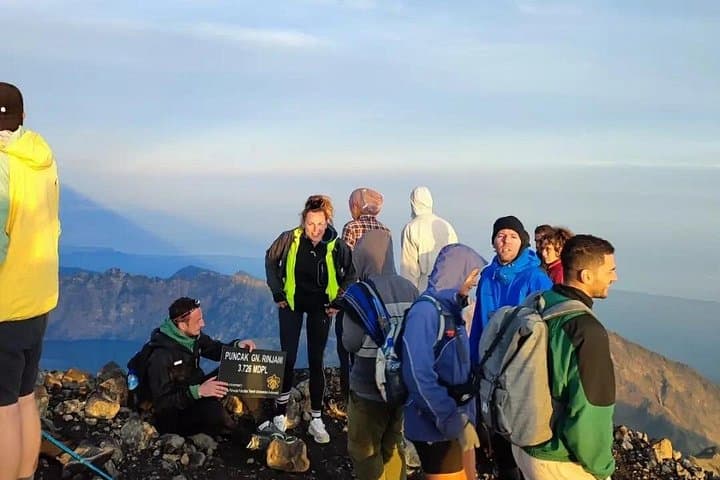
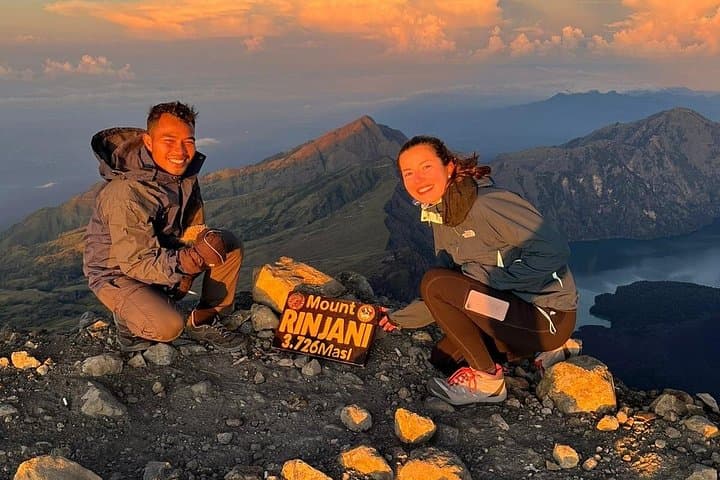
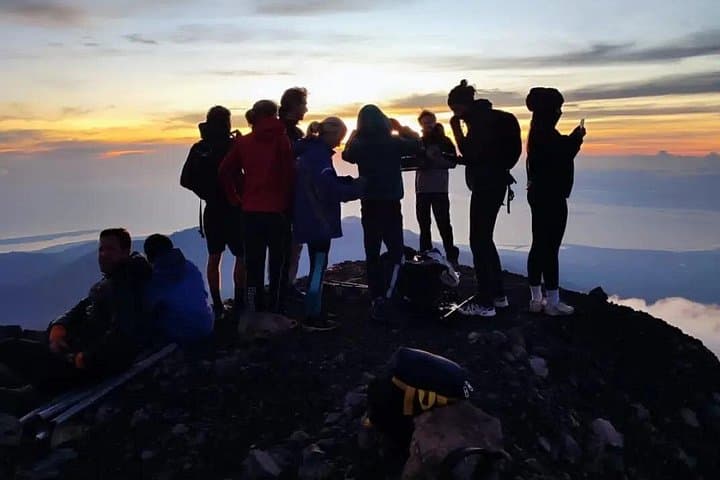
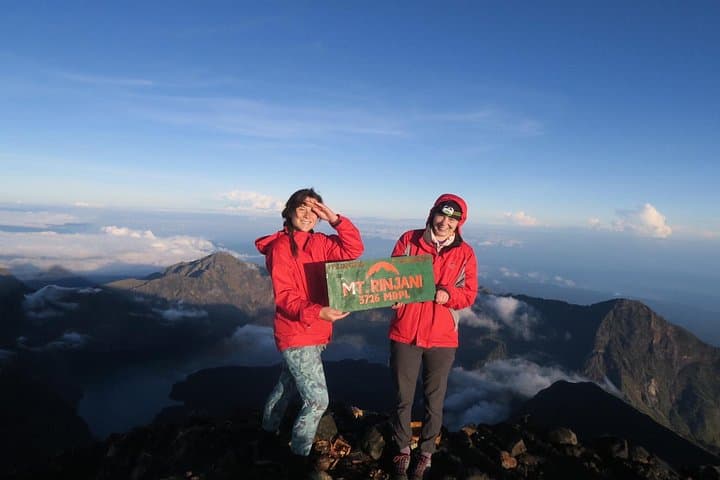
You stand on the crater rim as a cold wind pushes you forward, the island folding away beneath an enormous sky. Dawn light slices across Segara Anak’s green mirror and, on a clear day, you can pick out Bali, Java and the Gili islands like scattered coins on the sea. Mount Rinjani’s summit doesn’t just reveal views — it imposes them.
You stand on the crater rim as a cold wind pushes you forward, the island folding away beneath an enormous sky. Dawn light slices across Segara Anak’s green mirror and, on a clear day, you can pick out Bali, Java and the Gili islands like scattered coins on the sea. Mount Rinjani’s summit doesn’t just reveal views — it imposes them.
The mountain is an active stratovolcano shaped by explosive eruptions and a caldera that now holds a volcanic lake. The Sasak people regard Rinjani as sacred; temples and offerings on ridge approaches reflect a living cultural relationship with the mountain. Geologically, the route moves from village farmland into open Sembalun meadows, then steep volcanic scree and rocky ridgeline climbing to 3,726 m.
Practical guidance matters here. This 2-day, 1-night itinerary is designed for experienced trekkers: expect long, steep sections, loose volcanic scree and rapidly changing weather. Walk early, travel light, and rely on an experienced guide and porters — they manage permits, campsite setup and water logistics. Carry layered insulation for summit winds, a reliable headlamp for pre-dawn moves, and a lightweight sleeping system rated for near-freezing nights. Hydration at altitude is critical; the operator provides about 3 L/day but bring a refillable system.
If you’re aiming for the sunrise viewpoint, plan for an alpine-style push in the dark, steady pacing up uneven slopes, and a slow, careful descent. Respect park rules, leave no trace, and allow extra time for poor weather or high group counts. The reward is an expansive panorama that makes the effort plainly worthwhile.