THE ADVENTURE COLLECTIVE® · Independent discovery and booking for outdoor travel

A demanding 3-day, 2-night trek that reaches Mount Rinjani’s summit, visits Segara Anak crater lake, and includes time at natural hot springs. Best for experienced hikers who can handle steep volcanic terrain and overnight camping.
A demanding 3-day, 2-night trek that reaches Mount Rinjani’s summit, visits Segara Anak crater lake, and includes time at natural hot springs. Best for experienced hikers who can handle steep volcanic terrain and overnight camping.
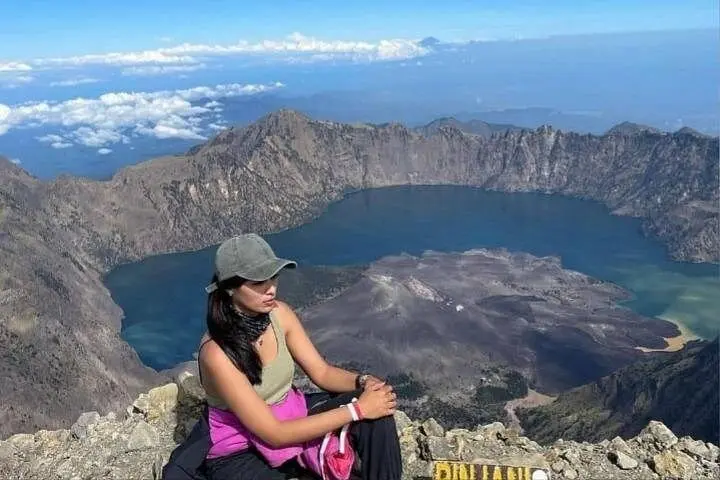
You step out of the thin pre-dawn air and the mountain answers: wind threading across volcanic scree, the crater rim rising like a black spine above the clouds. On this three-day circuit you push for the summit at sunrise, drop into the green bowl of Segara Anak for lunch, and soak briefly in natural hot springs while the crater exhales steam.
Verified experiences and guided adventures in the surrounding area.
Operated by Dhyns Rinjani Hiking · Senaru, West Nusa Tenggara
You step out of the thin pre-dawn air and the mountain answers: wind threading across volcanic scree, the crater rim rising like a black spine above the clouds. On this three-day circuit you push for the summit at sunrise, drop into the green bowl of Segara Anak for lunch, and soak briefly in natural hot springs while the crater exhales steam.
Rinjani is Lombok’s second-highest volcano and a living geological record—layers of ash and hardened lava sculpting steep ridgelines and a deep caldera that holds Segara Anak, a sacred lake to local Sasak and Balinese communities. Cultural shrines dot the slope; porters and guides maintain routes that have been used for generations.
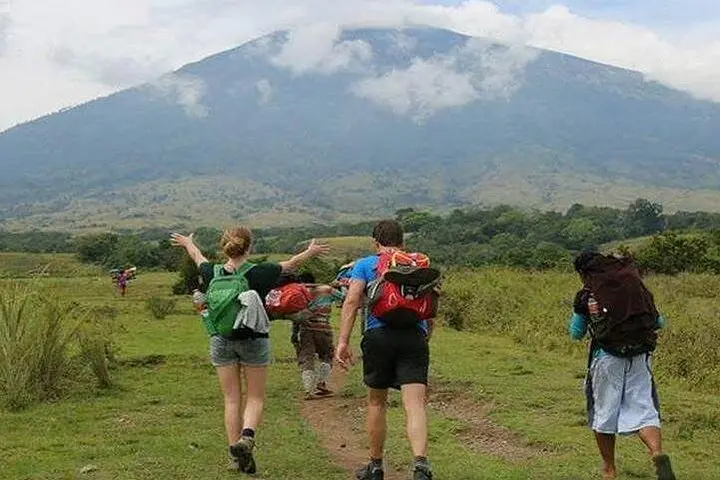
Expect a mix of rocky switchbacks, exposed ridgelines, and loose volcanic sand; sections require steady footing and endurance more than technical climbing. The landscape alternates between open alpine scrub and pockets of montane forest that hide macaques and ground birds.
Practical guidance: this itinerary is designed for experienced hikers with good cardiovascular fitness and prior multi-day climbs. Acclimatize in Senaru or Sembalun, carry layered insulation for summit temperatures near freezing, and bring 3L+ water capacity—organizers typically supply food, a tent, and porters to carry communal gear. Start summit pushes before midnight to reach sunrise and avoid midday storm build-up.
Leave no trace: stick to established trails, treat water when refilling, and respect local customs at shrine sites. With preparation, Rinjani rewards endurance with sweeping crater views, the warmth of a hot spring, and a clear sense of accomplishment.
Yes—trekking within Mount Rinjani National Park requires park fees and permits, typically organized by tour operators as part of your booking.
Challenging—this route includes long days, steep elevation gain to the crater rim and summit, and loose volcanic terrain; prior multi-day trekking experience is recommended.
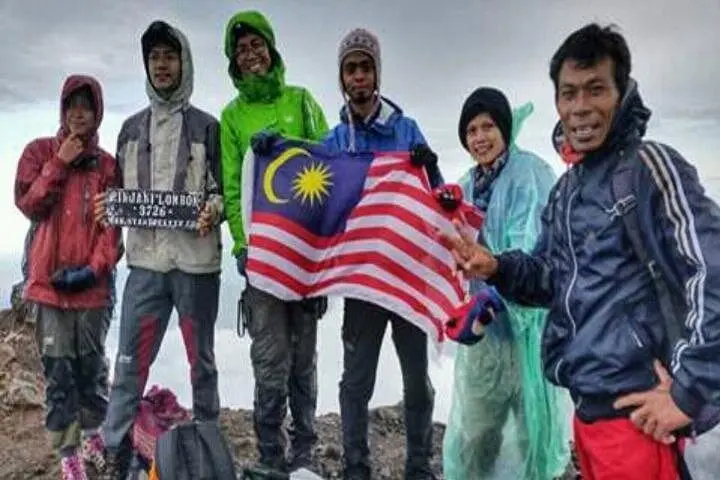
Yes—summit altitude approaches 3,700 m; acclimatization, hydration, and recognizing symptoms early are important; descend immediately if severe symptoms occur.
Dry season months (roughly April–October) offer the most stable conditions and clearer summit views; monsoon season brings heavy rain and slippery trails.
Dhyns Rinjani Hiking operates guided outdoor trips and adventures with an emphasis on safety, stewardship, and memorable experiences.
You step out of the thin pre-dawn air and the mountain answers: wind threading across volcanic scree, the crater rim rising like a black spine above the clouds. On this three-day circuit you push for the summit at sunrise, drop into the green bowl of Segara Anak for lunch, and soak briefly in natural hot springs while the crater exhales steam.
You step out of the thin pre-dawn air and the mountain answers: wind threading across volcanic scree, the crater rim rising like a black spine above the clouds. On this three-day circuit you push for the summit at sunrise, drop into the green bowl of Segara Anak for lunch, and soak briefly in natural hot springs while the crater exhales steam.
Rinjani is Lombok’s second-highest volcano and a living geological record—layers of ash and hardened lava sculpting steep ridgelines and a deep caldera that holds Segara Anak, a sacred lake to local Sasak and Balinese communities. Cultural shrines dot the slope; porters and guides maintain routes that have been used for generations.
Expect a mix of rocky switchbacks, exposed ridgelines, and loose volcanic sand; sections require steady footing and endurance more than technical climbing. The landscape alternates between open alpine scrub and pockets of montane forest that hide macaques and ground birds.
Practical guidance: this itinerary is designed for experienced hikers with good cardiovascular fitness and prior multi-day climbs. Acclimatize in Senaru or Sembalun, carry layered insulation for summit temperatures near freezing, and bring 3L+ water capacity—organizers typically supply food, a tent, and porters to carry communal gear. Start summit pushes before midnight to reach sunrise and avoid midday storm build-up.
Leave no trace: stick to established trails, treat water when refilling, and respect local customs at shrine sites. With preparation, Rinjani rewards endurance with sweeping crater views, the warmth of a hot spring, and a clear sense of accomplishment.