THE ADVENTURE COLLECTIVE® · Independent discovery and booking for outdoor travel

Three days of steep ridgelines, crater camps and a summit at 3,726 m—this Sembalun route to Mount Rinjani pairs alpine exposure with a volcanic lake and hot springs. Read on for route highlights, local context, and practical tips to plan the trek.
Three days of steep ridgelines, crater camps and a summit at 3,726 m—this Sembalun route to Mount Rinjani pairs alpine exposure with a volcanic lake and hot springs. Read on for route highlights, local context, and practical tips to plan the trek.
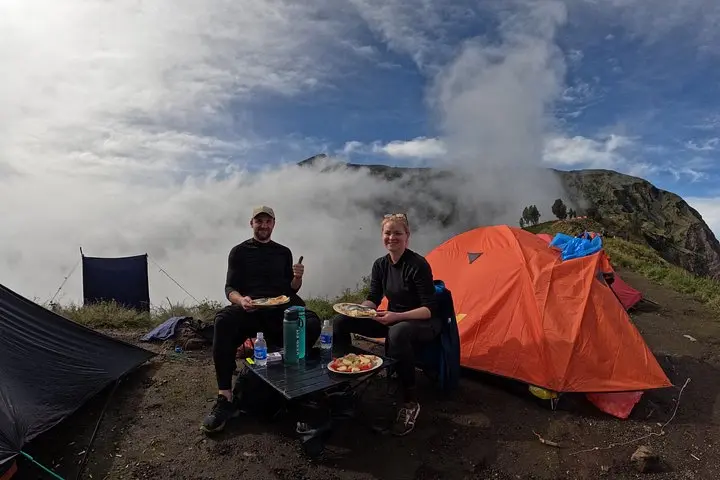
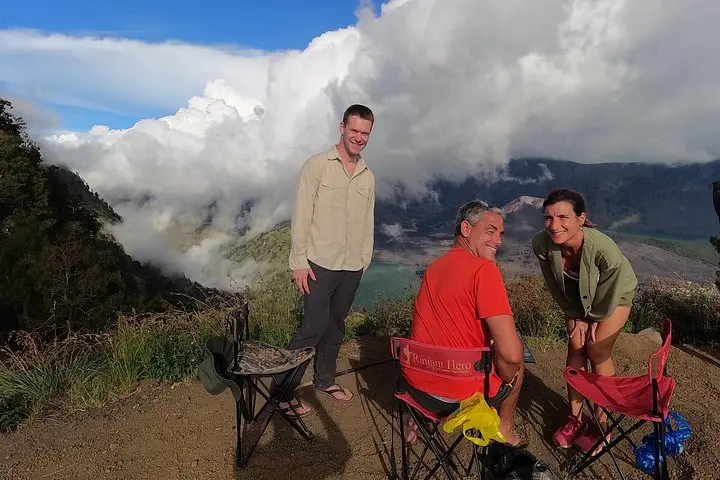
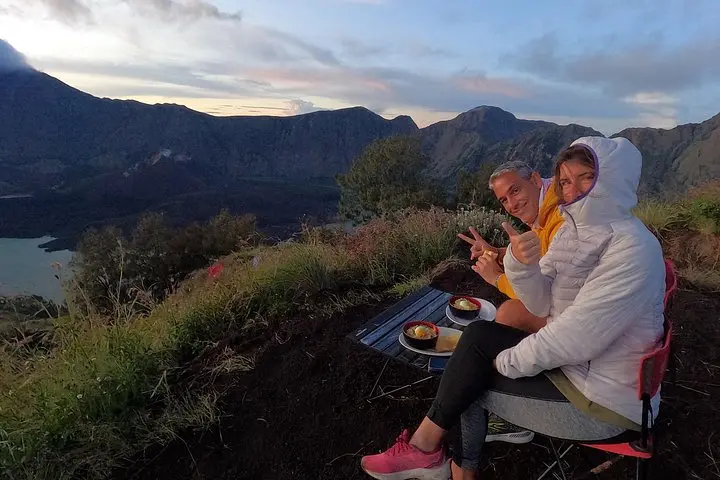
Dawn finds the ridge at Pelawangan Sembalun lit thin and sharp; you breathe shallowly as headlamps bob like a string of wandering stars while the summit waits above. The first day climbs from Sembalun village through open slopes to the crater rim, where sunset and sunrise color Segara Anak blue and the summit silhouette cuts the sky.
Verified experiences and guided adventures in the surrounding area.
Operated by Rinjani Hero · Senaru, West Nusa Tenggara
Dawn finds the ridge at Pelawangan Sembalun lit thin and sharp; you breathe shallowly as headlamps bob like a string of wandering stars while the summit waits above. The first day climbs from Sembalun village through open slopes to the crater rim, where sunset and sunrise color Segara Anak blue and the summit silhouette cuts the sky.
Mount Rinjani is Indonesia’s second-highest volcano. Its caldera holds Segara Anak, a volcanic lake formed by a massive collapse centuries ago; the lake and nearby hot springs are sacred in Sasak culture and have long drawn pilgrims and naturalists. The volcano’s layers—ash, lava flows, and pumice—create steep, eroding ridgelines on the upper slopes and dense tropical forest on the lower flanks, so the trek moves between alpine exposure and lush jungle in one itinerary.
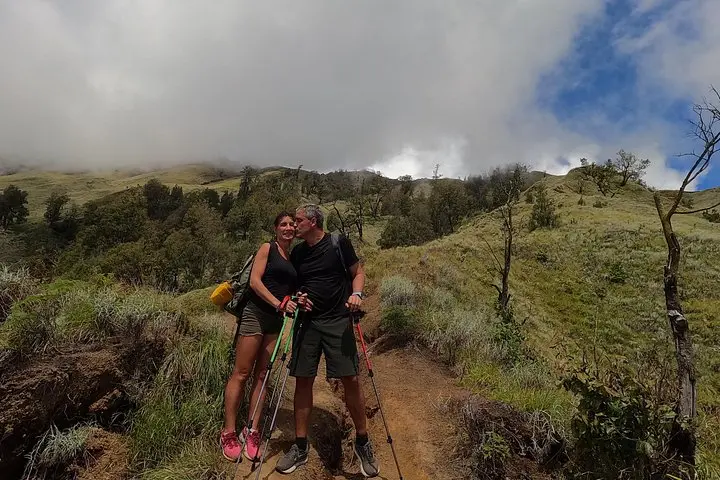
Expect three strenuous days: a steep approach and camp on the Sembalun crater rim, an early-morning summit push to 3,726 m, then descent to Segara Anak and a soak in the hot springs before dropping through rainforest to Senaru. Guides and porters manage camps and food; permits and a moderate fitness level are required. Altitude, alternating hot days and cold nights, and loose volcanic scree are the main challenges.
Practical tips: pace your ascent, layer for dramatic temperature swings, carry a reliable headlamp and water treatment, and budget time for photography and rests. Respect local sites, pack out waste, and be prepared for rain during the wet season—this trek rewards effort with panoramic island views, steaming lake shores, and a genuine high-volcano experience.
No technical climbing is required—this is a strenuous high-altitude trek on scree and rocky paths, but not technical mountaineering.
Most operators include guides, porters, and permits; confirm with your provider before booking and carry personal identification.
Swimming is possible in parts of the lake and there are public hot springs near the crater rim—follow local guidance and respect sacred areas.
The dry season (roughly May–October) offers clearer skies and more stable conditions; the wet season brings slippery trails and reduced visibility.
Rinjani Hero operates guided outdoor trips and adventures with an emphasis on safety, stewardship, and memorable experiences.
Dawn finds the ridge at Pelawangan Sembalun lit thin and sharp; you breathe shallowly as headlamps bob like a string of wandering stars while the summit waits above. The first day climbs from Sembalun village through open slopes to the crater rim, where sunset and sunrise color Segara Anak blue and the summit silhouette cuts the sky.
Dawn finds the ridge at Pelawangan Sembalun lit thin and sharp; you breathe shallowly as headlamps bob like a string of wandering stars while the summit waits above. The first day climbs from Sembalun village through open slopes to the crater rim, where sunset and sunrise color Segara Anak blue and the summit silhouette cuts the sky.
Mount Rinjani is Indonesia’s second-highest volcano. Its caldera holds Segara Anak, a volcanic lake formed by a massive collapse centuries ago; the lake and nearby hot springs are sacred in Sasak culture and have long drawn pilgrims and naturalists. The volcano’s layers—ash, lava flows, and pumice—create steep, eroding ridgelines on the upper slopes and dense tropical forest on the lower flanks, so the trek moves between alpine exposure and lush jungle in one itinerary.
Expect three strenuous days: a steep approach and camp on the Sembalun crater rim, an early-morning summit push to 3,726 m, then descent to Segara Anak and a soak in the hot springs before dropping through rainforest to Senaru. Guides and porters manage camps and food; permits and a moderate fitness level are required. Altitude, alternating hot days and cold nights, and loose volcanic scree are the main challenges.
Practical tips: pace your ascent, layer for dramatic temperature swings, carry a reliable headlamp and water treatment, and budget time for photography and rests. Respect local sites, pack out waste, and be prepared for rain during the wet season—this trek rewards effort with panoramic island views, steaming lake shores, and a genuine high-volcano experience.