THE ADVENTURE COLLECTIVE® · Independent discovery and booking for outdoor travel

A five-day journey from the High Atlas to the Erg Chebbi dunes, combining a guided ascent of Jbel Toubkal with a camel-led desert overnight. Expect steep alpine trails, ancient Berber villages, and silent Sahara sunrises.
A five-day journey from the High Atlas to the Erg Chebbi dunes, combining a guided ascent of Jbel Toubkal with a camel-led desert overnight. Expect steep alpine trails, ancient Berber villages, and silent Sahara sunrises.
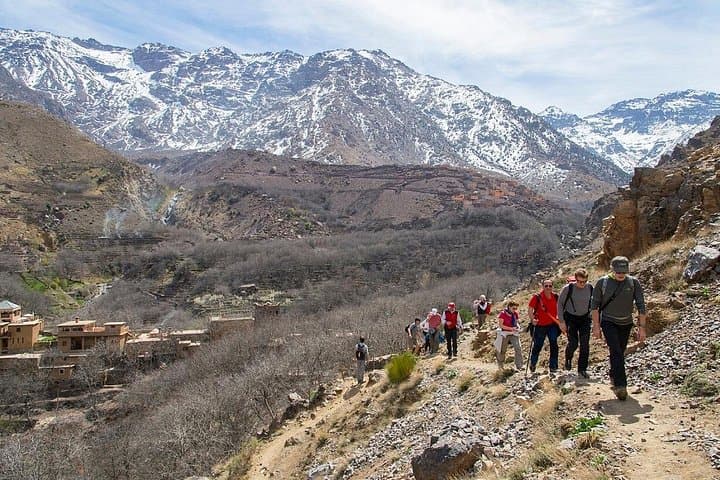
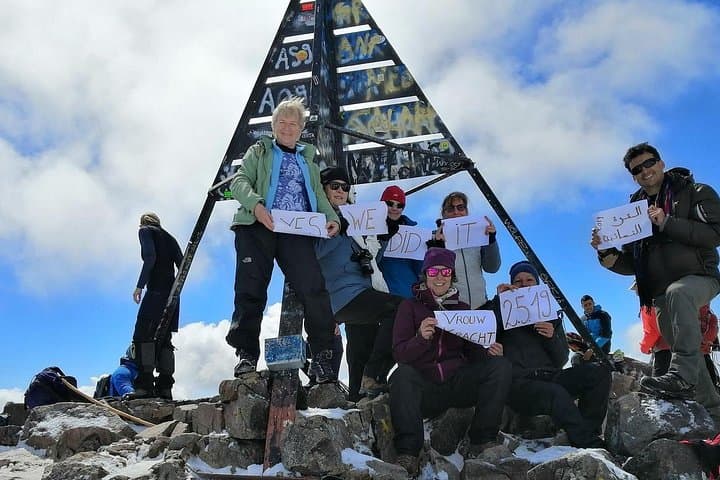
Morning light slices the High Atlas as the road from Marrakech climbs toward Imlil, and the air tightens around you—cool, mineral, full of intention. Guides meet you with local hosts and mules; stone tracks lead into oak-studded valleys and the slope steepens toward the Toubkal Refuge. The mountain seems to press a challenge: a climb that rewards you with sweeping views back toward the Marrakech plain and, on clear days, a distant haze that hints at the Sahara.
Verified experiences and guided adventures in the surrounding area.
Operated by Smart Morocco Tours Excursions · Marrakech, Marrakech-Safi
Morning light slices the High Atlas as the road from Marrakech climbs toward Imlil, and the air tightens around you—cool, mineral, full of intention. Guides meet you with local hosts and mules; stone tracks lead into oak-studded valleys and the slope steepens toward the Toubkal Refuge. The mountain seems to press a challenge: a climb that rewards you with sweeping views back toward the Marrakech plain and, on clear days, a distant haze that hints at the Sahara.
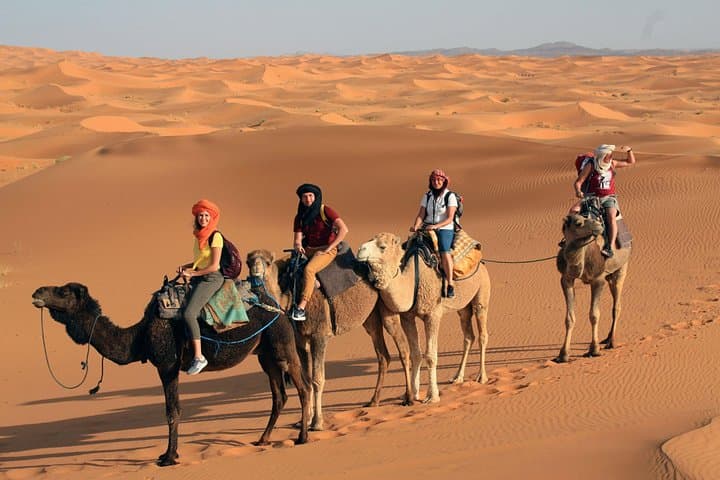
This combined itinerary threads two landscapes. The High Atlas carries millennia of Berber history in its terraced fields and century-old village kasbahs; geologically it’s young folded rock uplifted by African-Eurasian plate collisions. The route then pivots south through red gorges and palm-lined oases to Erg Chebbi—wind-sculpted dunes that shift like living sand, each crest daring you to cross it by camel or foot.
Practical guidance: the summit day to Jbel Toubkal (4,165 m) is steep and can be exposed—expect 6–8 hours round-trip from refuge with loose scree near the top. Hike poles, layered insulating clothing, sturdy boots, and at least 2–3 liters of water per day are essential. Start early on summit day to avoid afternoon weather shifts; allow time for acclimatization and brief rests. In Merzouga, temperatures swing dramatically—sun hats and warm layers for campfire nights are equally important. Respect fragile desert vegetation and follow guides’ instructions for camel handling and campsite fire safety.
This trip pairs high-mountain exertion with quiet desert nights, offering both technical hiking and cultural immersion—ideal for fit travelers seeking varied terrain and reliable local support.
You should be in good aerobic condition and comfortable hiking 6–8 hours with steep sections; guided pacing helps non-technical but fit hikers reach the summit.
The tour includes transfers from Marrakech, meals listed in the itinerary (breakfasts, lunches, dinners), an overnight in a mountain refuge and desert camp, and local guides and camel treks.
Toubkal reaches 4,165 m, so mild altitude effects are possible; follow guides’ advice, hydrate, ascend slowly, and notify staff if symptoms arise.
Yes—guides may alter routes, summit attempts, or transfer timing for safety during severe weather or heavy snow.
Smart Morocco Tours Excursions operates guided outdoor trips and adventures with an emphasis on safety, stewardship, and memorable experiences.

Morning light slices the High Atlas as the road from Marrakech climbs toward Imlil, and the air tightens around you—cool, mineral, full of intention. Guides meet you with local hosts and mules; stone tracks lead into oak-studded valleys and the slope steepens toward the Toubkal Refuge. The mountain seems to press a challenge: a climb that rewards you with sweeping views back toward the Marrakech plain and, on clear days, a distant haze that hints at the Sahara.
Morning light slices the High Atlas as the road from Marrakech climbs toward Imlil, and the air tightens around you—cool, mineral, full of intention. Guides meet you with local hosts and mules; stone tracks lead into oak-studded valleys and the slope steepens toward the Toubkal Refuge. The mountain seems to press a challenge: a climb that rewards you with sweeping views back toward the Marrakech plain and, on clear days, a distant haze that hints at the Sahara.
This combined itinerary threads two landscapes. The High Atlas carries millennia of Berber history in its terraced fields and century-old village kasbahs; geologically it’s young folded rock uplifted by African-Eurasian plate collisions. The route then pivots south through red gorges and palm-lined oases to Erg Chebbi—wind-sculpted dunes that shift like living sand, each crest daring you to cross it by camel or foot.
Practical guidance: the summit day to Jbel Toubkal (4,165 m) is steep and can be exposed—expect 6–8 hours round-trip from refuge with loose scree near the top. Hike poles, layered insulating clothing, sturdy boots, and at least 2–3 liters of water per day are essential. Start early on summit day to avoid afternoon weather shifts; allow time for acclimatization and brief rests. In Merzouga, temperatures swing dramatically—sun hats and warm layers for campfire nights are equally important. Respect fragile desert vegetation and follow guides’ instructions for camel handling and campsite fire safety.
This trip pairs high-mountain exertion with quiet desert nights, offering both technical hiking and cultural immersion—ideal for fit travelers seeking varied terrain and reliable local support.