THE ADVENTURE COLLECTIVE® · Independent discovery and booking for outdoor travel

A short, guided ascent to Koasayama on the eastern flank of Mt. Asama—compact volcanic terrain, interpretive geology from your guide, and a panoramic summit view. Ideal as a half-day outdoor option from Karuizawa.
A short, guided ascent to Koasayama on the eastern flank of Mt. Asama—compact volcanic terrain, interpretive geology from your guide, and a panoramic summit view. Ideal as a half-day outdoor option from Karuizawa.
You step off the peak teahouse bus and the slope opens: volcanic scree underfoot, a band of dark conifers, and the eastern shoulder of Mt. Asama rising like a well-used rampart. The forest smells of resin and damp earth; wind tugs at your jacket and seems to push you toward the small summit at 1,655 m, where a sweep of sky and a close-up of Asama’s rugged cone await.
Verified experiences and guided adventures in the surrounding area.
Operated by 軽井沢スタイルドツアー · Karuizawa, Nagano
You step off the peak teahouse bus and the slope opens: volcanic scree underfoot, a band of dark conifers, and the eastern shoulder of Mt. Asama rising like a well-used rampart. The forest smells of resin and damp earth; wind tugs at your jacket and seems to push you toward the small summit at 1,655 m, where a sweep of sky and a close-up of Asama’s rugged cone await.
Koasayama is a parasitic cone born of Asama’s long history. The mountain’s layers of andesite and pumice tell of repeated eruptions—Asama’s 1783 Tenmei eruption is the best-known regional event—and the flora shifts rapidly with elevation from mixed broadleaf to hardy subalpine shrubs. Local guides point out volcanic features and plant communities, and explain how human settlement in Karuizawa adapted around periodic ash and lava flows.
The walk is direct and compact: roughly 2–3 hours round trip on steep but well-marked trails, making it suitable for newcomers who are steady on their feet. Expect loose volcanic gravel, occasional rocky steps, and open ridgelines exposed to sun and wind. Carry water, layer for quick temperature changes, and plan morning starts to avoid afternoon clouds that can hide the panoramic views.
Practical: arrive via Karuizawa public transport, follow your guide’s safety briefing, and keep a steady pace—this is a short, concentrated mountain day that rewards attention to footing with wide views of Asama and the eastern plain.
The route is short (about 2–3 hours round trip) with some steep pitches; beginners who are steady on their feet can manage it with regular breaks.
Public buses or local taxis serve the peak teahouse stop; confirm timings and arrange return transport if you’re on a tight schedule.
The tour includes an experienced guide who interprets geology and local ecology and manages route safety—recommended for first-time visitors to Asama.
The hike is open to a range of ages, but not recommended for infants or those with spinal/heart conditions; evaluate child stamina for steep sections.
軽井沢スタイルドツアー operates guided outdoor trips and adventures with an emphasis on safety, stewardship, and memorable experiences.
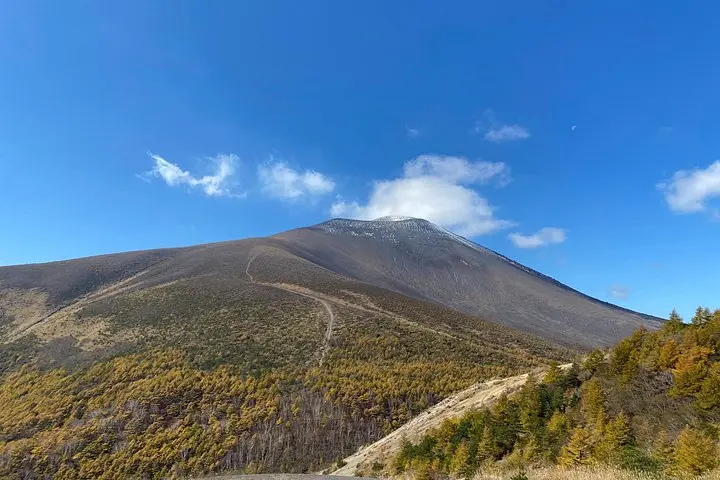
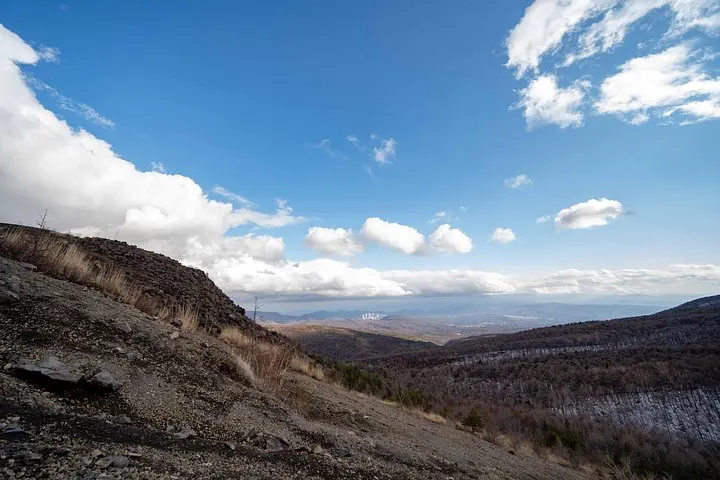
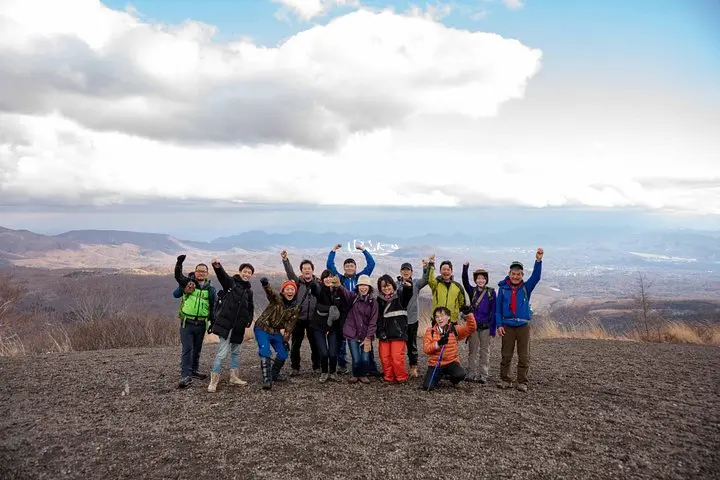
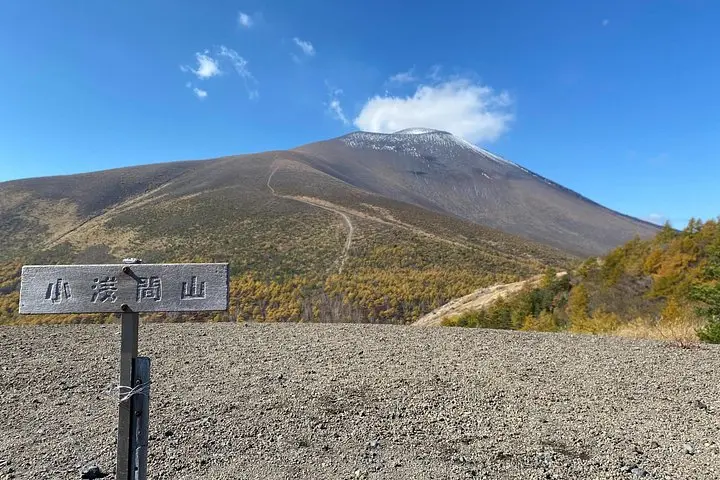
You step off the peak teahouse bus and the slope opens: volcanic scree underfoot, a band of dark conifers, and the eastern shoulder of Mt. Asama rising like a well-used rampart. The forest smells of resin and damp earth; wind tugs at your jacket and seems to push you toward the small summit at 1,655 m, where a sweep of sky and a close-up of Asama’s rugged cone await.
You step off the peak teahouse bus and the slope opens: volcanic scree underfoot, a band of dark conifers, and the eastern shoulder of Mt. Asama rising like a well-used rampart. The forest smells of resin and damp earth; wind tugs at your jacket and seems to push you toward the small summit at 1,655 m, where a sweep of sky and a close-up of Asama’s rugged cone await.
Koasayama is a parasitic cone born of Asama’s long history. The mountain’s layers of andesite and pumice tell of repeated eruptions—Asama’s 1783 Tenmei eruption is the best-known regional event—and the flora shifts rapidly with elevation from mixed broadleaf to hardy subalpine shrubs. Local guides point out volcanic features and plant communities, and explain how human settlement in Karuizawa adapted around periodic ash and lava flows.
The walk is direct and compact: roughly 2–3 hours round trip on steep but well-marked trails, making it suitable for newcomers who are steady on their feet. Expect loose volcanic gravel, occasional rocky steps, and open ridgelines exposed to sun and wind. Carry water, layer for quick temperature changes, and plan morning starts to avoid afternoon clouds that can hide the panoramic views.
Practical: arrive via Karuizawa public transport, follow your guide’s safety briefing, and keep a steady pace—this is a short, concentrated mountain day that rewards attention to footing with wide views of Asama and the eastern plain.