THE ADVENTURE COLLECTIVE® · Independent discovery and booking for outdoor travel

An 8-day guided ascent of UT Kangri (6,070 m) from Leh that combines acclimatization hikes, glacier travel and technical ropework. Expect long high-altitude days, wind-scoured ridges and full expedition support.
An 8-day guided ascent of UT Kangri (6,070 m) from Leh that combines acclimatization hikes, glacier travel and technical ropework. Expect long high-altitude days, wind-scoured ridges and full expedition support.
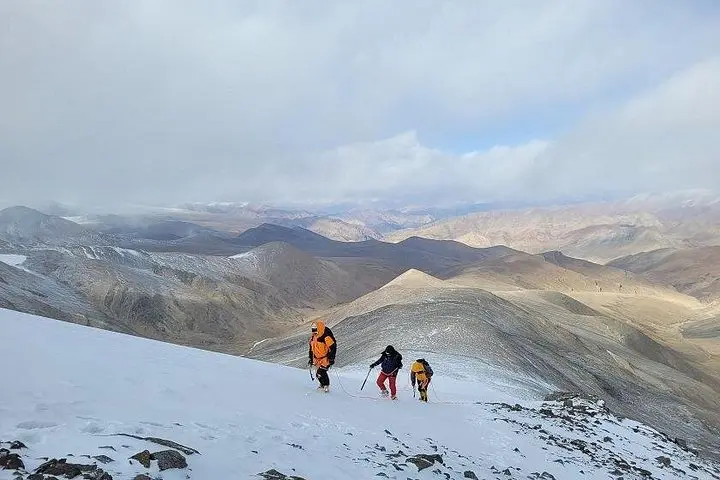
A pale pre-dawn hush hangs over the high plateau as climbers break camp at 5,200 m and shoulder their packs for the night summit push. Headlamps stitch a narrow procession across wind-scoured snow; the air is thin, clean, and indifferent. By first light UT Kangri’s ridgelines cut a ragged silhouette against spine-like peaks and distant glaciers.
Verified experiences and guided adventures in the surrounding area.
Operated by Mountain Intelligence Treks · Leh, Ladakh
A pale pre-dawn hush hangs over the high plateau as climbers break camp at 5,200 m and shoulder their packs for the night summit push. Headlamps stitch a narrow procession across wind-scoured snow; the air is thin, clean, and indifferent. By first light UT Kangri’s ridgelines cut a ragged silhouette against spine-like peaks and distant glaciers.
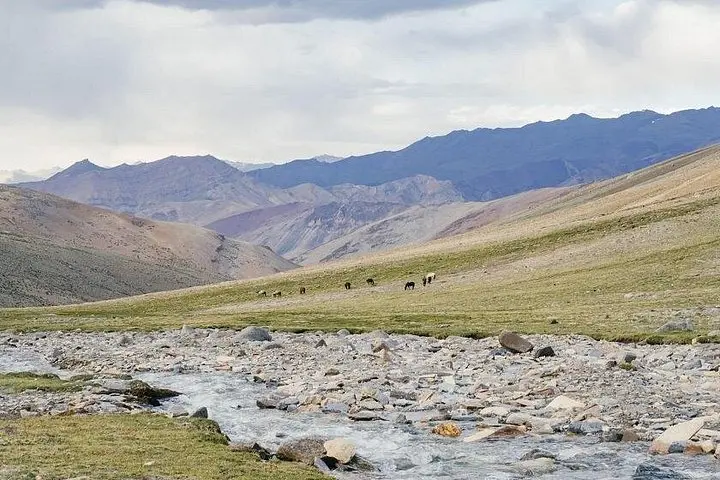
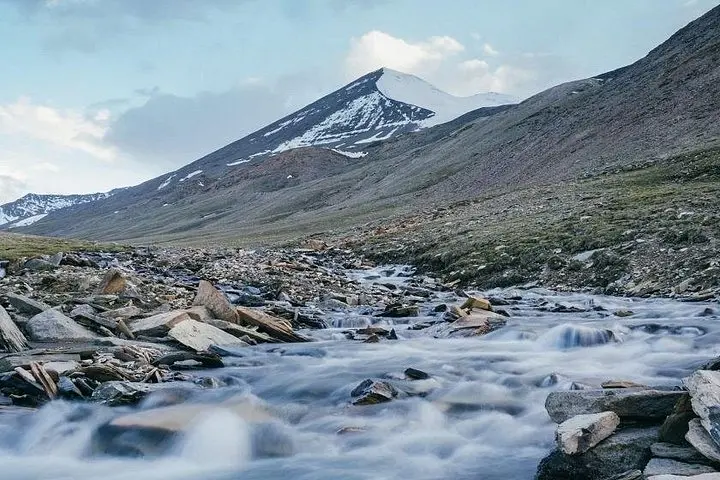
UT Kangri (6,070 m) sits in eastern Ladakh’s high-altitude landscape carved by tectonic uplift and glacial abrasion. The approach crosses stark, arid valleys, river-cut canyons and moraines that record the region’s Pleistocene glaciation. Leh’s Tibetan-Buddhist culture and trade history lend local villages a practical reserve and hospitality—tea houses, prayer flags and stone mani walls appear en route, reminders of human life at altitude.
Expect glacier travel, rope teams on exposed snow slopes and short technical sections that require crampons and ice-axe technique. The itinerary typically includes gradual acclimatization in Leh, a long drive to Rumtse Phu, a 6.2 km trek to basecamp at 5,200 m, technical training, and a late-night summit start. Weather can flip quickly: fierce winds, sudden whiteouts and strong solar radiation are all part of the climb.
Practical guidance: prioritize staged acclimatization, carry a pulse oximeter, and practice crampon and ropework before departure. Hydrate deliberately and use a high-calorie, easily digestible food plan. Dress in modular layers for bitter nights and intense midday sun. Guides provide porters, safety gear and oxygen for emergencies, but personal readiness is non-negotiable. UT Kangri rewards those who prepare—reach the rim at sunrise and the massif will feel both merciless and magnanimous.
Previous glacier travel and basic ropework experience is strongly recommended; guides provide training but prior experience reduces risk and improves summit chances.
Regional permits and any local trek permits are typically arranged by the operator; travelers should carry passport and visa and confirm permit coverage before departure.
The program includes staged acclimatization in Leh, active acclimatization hikes and a training day at basecamp to gradually expose climbers to higher elevations before the summit push.
Consult a travel medicine clinic about altitude medicines (acetazolamide), ensure fitness for strenuous high-altitude activity, and disclose cardiovascular or respiratory conditions to the operator.
Mountain Intelligence Treks operates guided outdoor trips and adventures with an emphasis on safety, stewardship, and memorable experiences.
A pale pre-dawn hush hangs over the high plateau as climbers break camp at 5,200 m and shoulder their packs for the night summit push. Headlamps stitch a narrow procession across wind-scoured snow; the air is thin, clean, and indifferent. By first light UT Kangri’s ridgelines cut a ragged silhouette against spine-like peaks and distant glaciers.
A pale pre-dawn hush hangs over the high plateau as climbers break camp at 5,200 m and shoulder their packs for the night summit push. Headlamps stitch a narrow procession across wind-scoured snow; the air is thin, clean, and indifferent. By first light UT Kangri’s ridgelines cut a ragged silhouette against spine-like peaks and distant glaciers.
UT Kangri (6,070 m) sits in eastern Ladakh’s high-altitude landscape carved by tectonic uplift and glacial abrasion. The approach crosses stark, arid valleys, river-cut canyons and moraines that record the region’s Pleistocene glaciation. Leh’s Tibetan-Buddhist culture and trade history lend local villages a practical reserve and hospitality—tea houses, prayer flags and stone mani walls appear en route, reminders of human life at altitude.
Expect glacier travel, rope teams on exposed snow slopes and short technical sections that require crampons and ice-axe technique. The itinerary typically includes gradual acclimatization in Leh, a long drive to Rumtse Phu, a 6.2 km trek to basecamp at 5,200 m, technical training, and a late-night summit start. Weather can flip quickly: fierce winds, sudden whiteouts and strong solar radiation are all part of the climb.
Practical guidance: prioritize staged acclimatization, carry a pulse oximeter, and practice crampon and ropework before departure. Hydrate deliberately and use a high-calorie, easily digestible food plan. Dress in modular layers for bitter nights and intense midday sun. Guides provide porters, safety gear and oxygen for emergencies, but personal readiness is non-negotiable. UT Kangri rewards those who prepare—reach the rim at sunrise and the massif will feel both merciless and magnanimous.