THE ADVENTURE COLLECTIVE® · Independent discovery and booking for outdoor travel

Spend an evening with retired sumo wrestlers in Tokyo: watch demonstrations, learn sumo history and techniques, and enjoy sukiyaki and chanko hotpot. This 90‑minute dinner show blends cultural depth with hands‑on participation and souvenir photos.
Spend an evening with retired sumo wrestlers in Tokyo: watch demonstrations, learn sumo history and techniques, and enjoy sukiyaki and chanko hotpot. This 90‑minute dinner show blends cultural depth with hands‑on participation and souvenir photos.
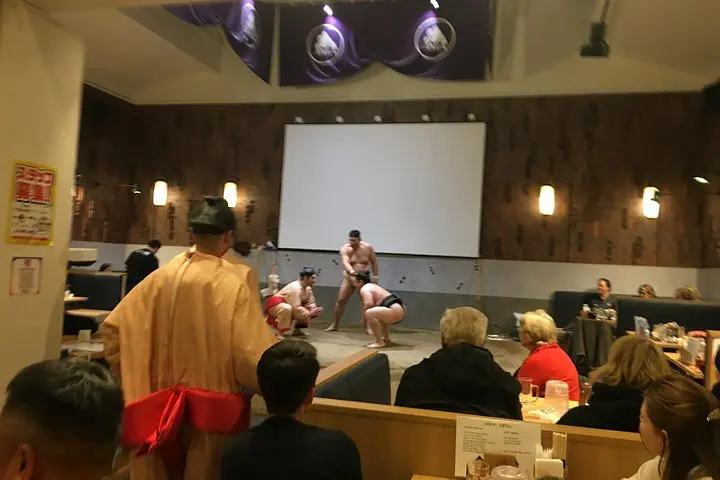
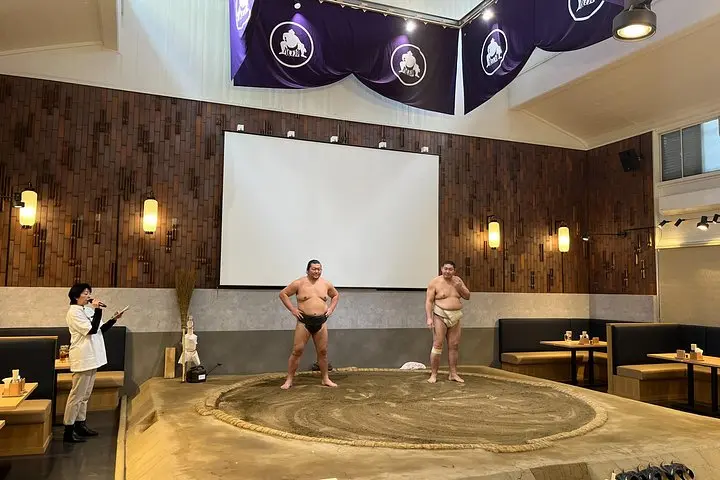
Stepping through the restaurant door at 19:00 feels like entering a compact arena: low lighting, tatami or low tables, and the murmured anticipation of a crowd gathered to watch human force at work. Retired rikishi—broad-shouldered, steady, and practiced—move with the quiet confidence of athletes who have spent decades shaping their bodies and routines.
Verified experiences and guided adventures in the surrounding area.
Operated by Beauty of Japan · Tokyo, Tokyo
Stepping through the restaurant door at 19:00 feels like entering a compact arena: low lighting, tatami or low tables, and the murmured anticipation of a crowd gathered to watch human force at work. Retired rikishi—broad-shouldered, steady, and practiced—move with the quiet confidence of athletes who have spent decades shaping their bodies and routines.
Sumo traces back centuries, with rituals rooted in Shinto ceremony and public contests evolving through the Edo period into Japan’s national sport. Tokyo’s Sumida district became a focal point for professional sumo in the 19th century; tonight’s demonstration compresses that lineage into approachable storytelling, technique breakdowns, and three short matches.
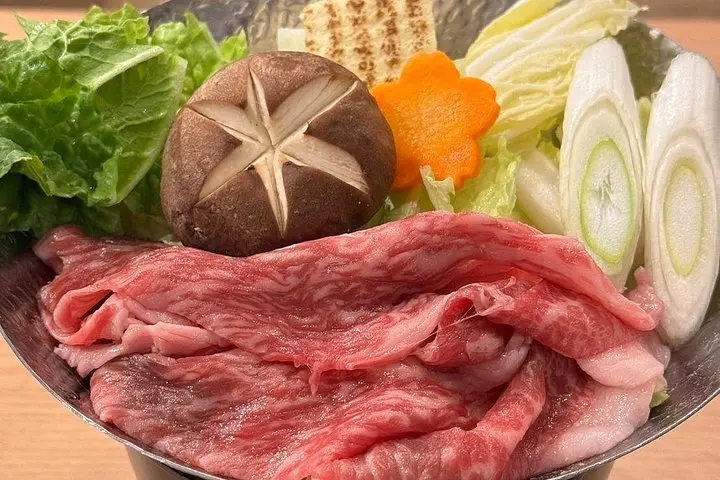
The geology of Tokyo is less visible here than in the river that carved the city’s lowlands, but cultural layers show: training lore, forbidden moves, and the food that sustained wrestlers—chanko and sukiyaki—served steaming and simple. You’ll hear about grisly training mornings, dietary strategies, and the social role of stables while sharing a meal that once powered fighters through long training cycles.
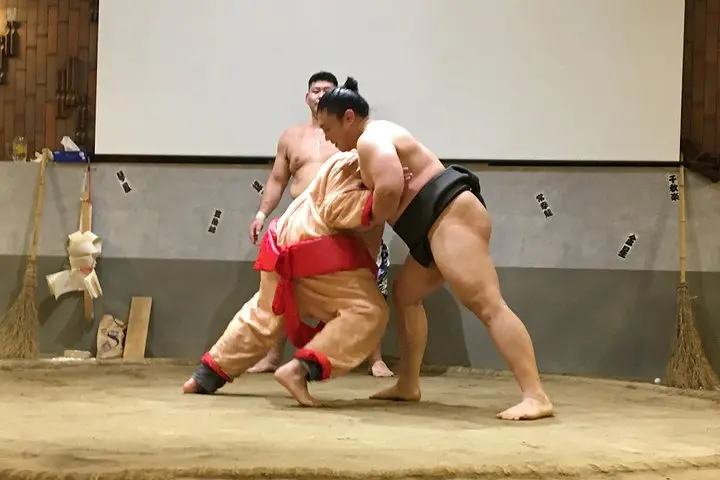
Practicalities matter: wear comfortable clothes you can sit cross-legged in, declare dietary restrictions five days ahead, and expect English explanations. Guests get costume chances and souvenir photos; participation is light-contact and guided. The performance is family-friendly, wheelchair accessible, and runs about 90 minutes—time enough for immersion without fatigue.
For travelers, this is a sensorial shortcut into sumo’s world: tactile demonstrations, the scent of hotpot, and the rare chance to test balance against a retired pro. It’s an accessible cultural adventure with a firm practical edge—arrive ready to learn, eat, and respect the ritual.
Yes—indicate dietary restrictions in the special requirements at booking; notify at least five days before the event to ensure substitutes.
Yes; the venue is wheelchair accessible and the show is family-friendly, though infants must sit on an adult’s lap and meals for infants are not included.
Yes—you can try light, guided sumo movements wearing provided costumes under staff supervision; participation is optional and non-contact.
Full refund if canceled at least 6 days prior; 50% refund for cancellations 2–6 days prior; no refund within 2 days of the event.
Beauty of Japan operates guided outdoor trips and adventures with an emphasis on safety, stewardship, and memorable experiences.
Stepping through the restaurant door at 19:00 feels like entering a compact arena: low lighting, tatami or low tables, and the murmured anticipation of a crowd gathered to watch human force at work. Retired rikishi—broad-shouldered, steady, and practiced—move with the quiet confidence of athletes who have spent decades shaping their bodies and routines.
Stepping through the restaurant door at 19:00 feels like entering a compact arena: low lighting, tatami or low tables, and the murmured anticipation of a crowd gathered to watch human force at work. Retired rikishi—broad-shouldered, steady, and practiced—move with the quiet confidence of athletes who have spent decades shaping their bodies and routines.
Sumo traces back centuries, with rituals rooted in Shinto ceremony and public contests evolving through the Edo period into Japan’s national sport. Tokyo’s Sumida district became a focal point for professional sumo in the 19th century; tonight’s demonstration compresses that lineage into approachable storytelling, technique breakdowns, and three short matches.
The geology of Tokyo is less visible here than in the river that carved the city’s lowlands, but cultural layers show: training lore, forbidden moves, and the food that sustained wrestlers—chanko and sukiyaki—served steaming and simple. You’ll hear about grisly training mornings, dietary strategies, and the social role of stables while sharing a meal that once powered fighters through long training cycles.
Practicalities matter: wear comfortable clothes you can sit cross-legged in, declare dietary restrictions five days ahead, and expect English explanations. Guests get costume chances and souvenir photos; participation is light-contact and guided. The performance is family-friendly, wheelchair accessible, and runs about 90 minutes—time enough for immersion without fatigue.
For travelers, this is a sensorial shortcut into sumo’s world: tactile demonstrations, the scent of hotpot, and the rare chance to test balance against a retired pro. It’s an accessible cultural adventure with a firm practical edge—arrive ready to learn, eat, and respect the ritual.