THE ADVENTURE COLLECTIVE® · Independent discovery and booking for outdoor travel

Spend four days on a five‑star Nile cruise from Luxor to Aswan, visiting Karnak, the Valley of the Kings, Edfu and Philae while watching river life unfold. This guide covers what you’ll see, practical tips for shore excursions, and how to prepare for hot days and uneven temple steps.
Spend four days on a five‑star Nile cruise from Luxor to Aswan, visiting Karnak, the Valley of the Kings, Edfu and Philae while watching river life unfold. This guide covers what you’ll see, practical tips for shore excursions, and how to prepare for hot days and uneven temple steps.
Morning light peels across the Nile and you stand on a teak sundeck as feluccas slip past palm-fringed fields; the cruise nudges south and the river narrows into a corridor of history. Over four days and three nights you watch a living river—farmers, fishermen and the slow turn of Egyptian days—while the ship threads between temples carved into stone.
Verified experiences and guided adventures in the surrounding area.
Operated by Egypt Gift Tours · Luxor, Luxor Governorate
Morning light peels across the Nile and you stand on a teak sundeck as feluccas slip past palm-fringed fields; the cruise nudges south and the river narrows into a corridor of history. Over four days and three nights you watch a living river—farmers, fishermen and the slow turn of Egyptian days—while the ship threads between temples carved into stone.
These banks hold millennia: pharaonic builders raised Karnak and Luxor with colonnades and obelisks, the Valley of the Kings cut royal tombs into the west bank cliffs, and later Roman and Coptic layers left their marks. Geologically, the Nile’s annual floods once deposited the silt that made this narrow valley intensely fertile; the construction of the Aswan High Dam in the 20th century changed that rhythm and the landscape you’ll see today.
Culture here is a blend—Nubian communities on the Aswan fringe, markets selling spices and brass, and the persistent presence of ancient ritual embodied in temple reliefs. Highlights on this itinerary include the intact hypostyle halls at Edfu, Kom Ombo’s paired shrines, and the compact island approach to Philae.
Practical guide: the cruise is full board with daily shore excursions; expect short drives, stairs at temple entrances and uneven stone steps. Carry a small daypack with water, sun protection and a photocopy of your passport; many sites charge admission separately and boat schedules can shift with Nile conditions. Plan early-morning or late-afternoon visits for cooler light and quieter crowds—then let the river push you on to the next ruin.
Most entrance fees to sites listed in the itinerary are not included and must be paid by card or cash except specific items noted by the operator—bring local currency for small purchases.
Pickups are provided from Luxor hotels, train stations or the airport; confirm your exact pickup time with the local provider as times start early.
The cruise and many transfers list accessibility, but some temples have steps and uneven terrain—contact the operator in advance to discuss specific needs.
October through April offers milder temperatures; summers are hot—early-morning and late-afternoon excursions are advised year-round.
Egypt Gift Tours operates guided outdoor trips and adventures with an emphasis on safety, stewardship, and memorable experiences.
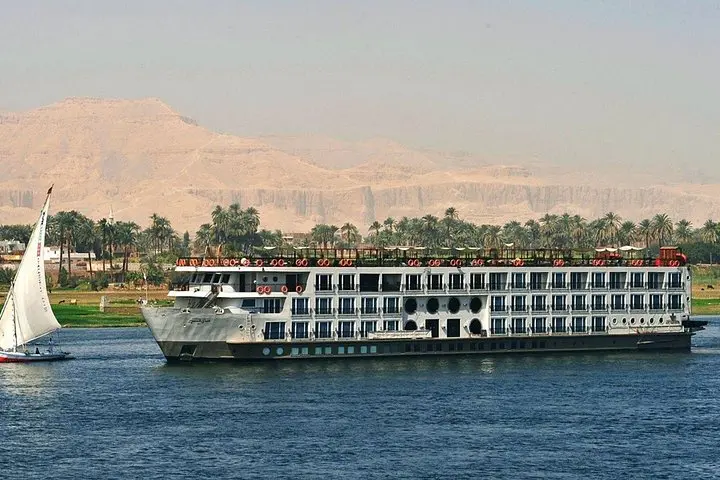
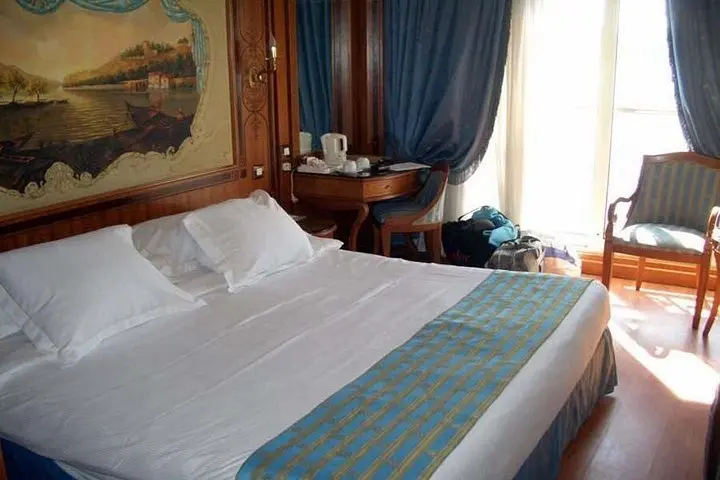
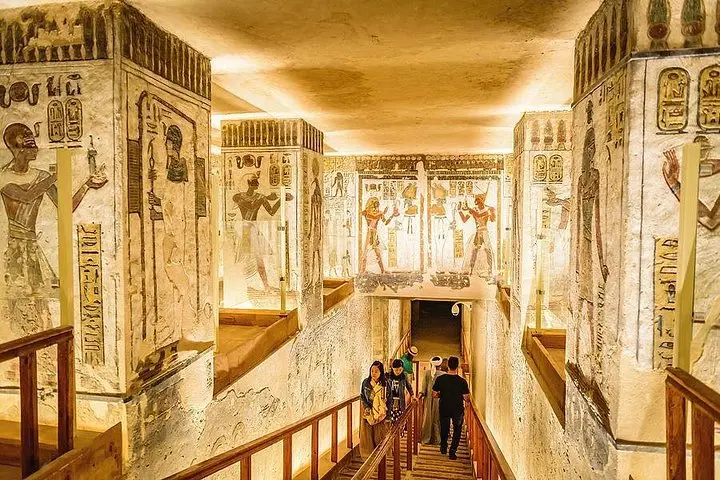
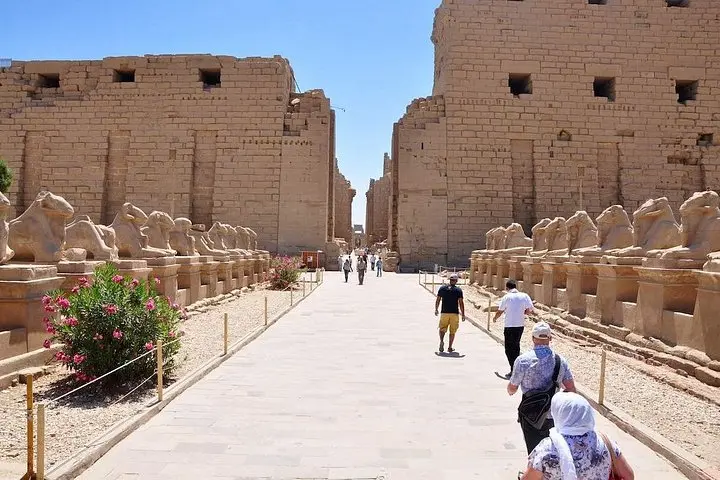
Morning light peels across the Nile and you stand on a teak sundeck as feluccas slip past palm-fringed fields; the cruise nudges south and the river narrows into a corridor of history. Over four days and three nights you watch a living river—farmers, fishermen and the slow turn of Egyptian days—while the ship threads between temples carved into stone.
Morning light peels across the Nile and you stand on a teak sundeck as feluccas slip past palm-fringed fields; the cruise nudges south and the river narrows into a corridor of history. Over four days and three nights you watch a living river—farmers, fishermen and the slow turn of Egyptian days—while the ship threads between temples carved into stone.
These banks hold millennia: pharaonic builders raised Karnak and Luxor with colonnades and obelisks, the Valley of the Kings cut royal tombs into the west bank cliffs, and later Roman and Coptic layers left their marks. Geologically, the Nile’s annual floods once deposited the silt that made this narrow valley intensely fertile; the construction of the Aswan High Dam in the 20th century changed that rhythm and the landscape you’ll see today.
Culture here is a blend—Nubian communities on the Aswan fringe, markets selling spices and brass, and the persistent presence of ancient ritual embodied in temple reliefs. Highlights on this itinerary include the intact hypostyle halls at Edfu, Kom Ombo’s paired shrines, and the compact island approach to Philae.
Practical guide: the cruise is full board with daily shore excursions; expect short drives, stairs at temple entrances and uneven stone steps. Carry a small daypack with water, sun protection and a photocopy of your passport; many sites charge admission separately and boat schedules can shift with Nile conditions. Plan early-morning or late-afternoon visits for cooler light and quieter crowds—then let the river push you on to the next ruin.