THE ADVENTURE COLLECTIVE® · Independent discovery and booking for outdoor travel

Catch both of Pokhara’s headline light shows in one easy outing: a Sarangkot sunrise over Annapurna and a World Peace Stupa sunset above Phewa Lake. Private transfers and a local guide make this a low-effort, high-reward window into the region’s landscapes and culture.
Catch both of Pokhara’s headline light shows in one easy outing: a Sarangkot sunrise over Annapurna and a World Peace Stupa sunset above Phewa Lake. Private transfers and a local guide make this a low-effort, high-reward window into the region’s landscapes and culture.
A pre-dawn hush sits on Sarangkot as dawn pries light out from behind the Annapurna massif — cold air tightening, mountain edges sharpening into silhouette. You’ll watch the first rays spill over Machapuchare’s knife ridge while the valley below melts into silver lakes and sleeping villages.
Verified experiences and guided adventures in the surrounding area.
Operated by Peak to Peak Tours and Treks Pvt Ltd · Pokhara, Gandaki Province
A pre-dawn hush sits on Sarangkot as dawn pries light out from behind the Annapurna massif — cold air tightening, mountain edges sharpening into silhouette. You’ll watch the first rays spill over Machapuchare’s knife ridge while the valley below melts into silver lakes and sleeping villages.
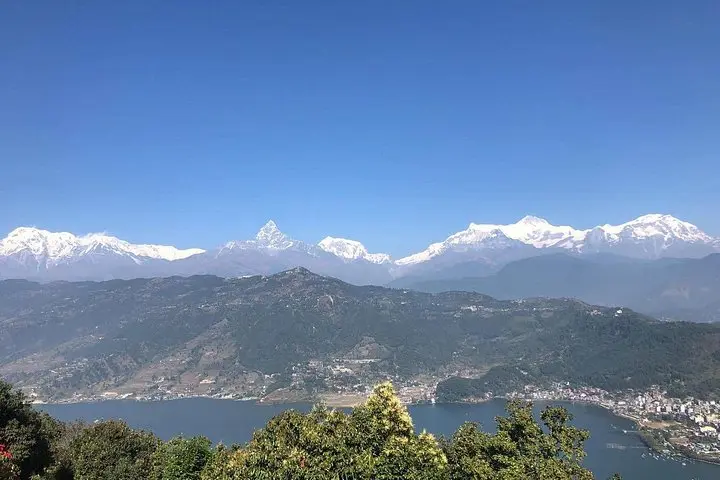
Sarangkot has long been Pokhara’s most reliable sunrise perch; at roughly 1,600 m it offers a wide-angle view of the Annapurna range born from the Indian and Eurasian plate collision. By evening the World Peace Stupa (Shanti Stupa) commands a different quiet: perched above Phewa Lake, the white dome was built by Japanese Buddhists and provides sweeping sunset light that rims the lake and city. Both spots trace local culture — Gurung and Magar communities farm the hillsides, while paragliders and boatmen shape the lakeshore economy.
The combo tour pairs two short, high-impact viewpoints in a single half-day circuit with private transport and an English-speaking guide, perfect for photographers and travelers short on time. Expect short walks at each site, cooler air at higher elevations, and strong backlighting for photos at sunrise and sunset.
Practical tips: schedule the sunrise leg on a clear-moon window and reserve the sunset for calmer weather; dress in layers and bring a headlamp for pre-dawn paths. Carry a compact tripod and extra batteries — cold mornings drain power fast. The experience is accessible for most fitness levels, wheelchair-friendly options are commonly available, and hotel pickup simplifies logistics. With modest walking and maximum views, it’s a concise way to catch Pokhara’s two best light shows in one day.
The combined sunrise and sunset tour runs about 2–3 hours total, with private transfers and short stop durations at each viewpoint.
Yes; the itinerary involves minimal walking and offers vehicle access to viewpoints. Wheelchair-accessible options are often available—confirm at booking.
There are usually small local parking or access fees at viewpoints; the tour typically handles logistics but carry some local currency for incidental charges.
Tours can be canceled or rescheduled for poor visibility; operators often require advance cancellation notice for refunds—check the specific policy when booking.
Peak to Peak Tours and Treks Pvt Ltd operates guided outdoor trips and adventures with an emphasis on safety, stewardship, and memorable experiences.
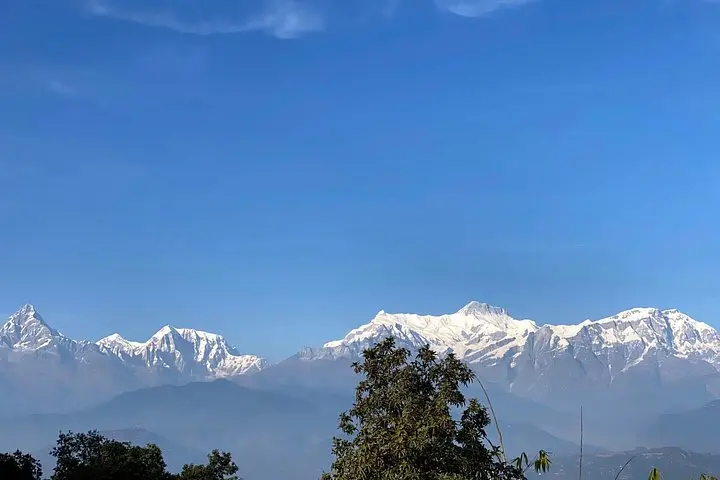
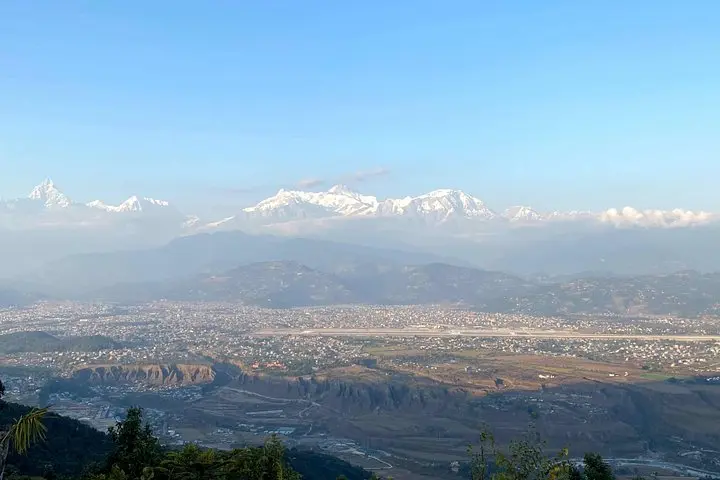
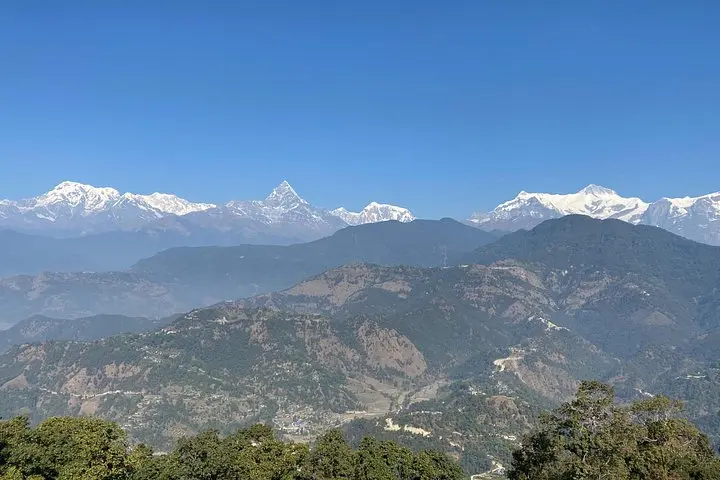
A pre-dawn hush sits on Sarangkot as dawn pries light out from behind the Annapurna massif — cold air tightening, mountain edges sharpening into silhouette. You’ll watch the first rays spill over Machapuchare’s knife ridge while the valley below melts into silver lakes and sleeping villages.
A pre-dawn hush sits on Sarangkot as dawn pries light out from behind the Annapurna massif — cold air tightening, mountain edges sharpening into silhouette. You’ll watch the first rays spill over Machapuchare’s knife ridge while the valley below melts into silver lakes and sleeping villages.
Sarangkot has long been Pokhara’s most reliable sunrise perch; at roughly 1,600 m it offers a wide-angle view of the Annapurna range born from the Indian and Eurasian plate collision. By evening the World Peace Stupa (Shanti Stupa) commands a different quiet: perched above Phewa Lake, the white dome was built by Japanese Buddhists and provides sweeping sunset light that rims the lake and city. Both spots trace local culture — Gurung and Magar communities farm the hillsides, while paragliders and boatmen shape the lakeshore economy.
The combo tour pairs two short, high-impact viewpoints in a single half-day circuit with private transport and an English-speaking guide, perfect for photographers and travelers short on time. Expect short walks at each site, cooler air at higher elevations, and strong backlighting for photos at sunrise and sunset.
Practical tips: schedule the sunrise leg on a clear-moon window and reserve the sunset for calmer weather; dress in layers and bring a headlamp for pre-dawn paths. Carry a compact tripod and extra batteries — cold mornings drain power fast. The experience is accessible for most fitness levels, wheelchair-friendly options are commonly available, and hotel pickup simplifies logistics. With modest walking and maximum views, it’s a concise way to catch Pokhara’s two best light shows in one day.