THE ADVENTURE COLLECTIVE® · Independent discovery and booking for outdoor travel

Watch the sun lift behind fifteen monumental moai at Ahu Tongariki on a private pre-dawn tour. This short, transport-included experience pairs dramatic coastal light with fast cultural context and easy logistics from Hanga Roa.
Watch the sun lift behind fifteen monumental moai at Ahu Tongariki on a private pre-dawn tour. This short, transport-included experience pairs dramatic coastal light with fast cultural context and easy logistics from Hanga Roa.
You arrive before dawn, the shore black against a thin ribbon of orange. The Ahu Tongariki silhouette stands in a row—fifteen moai facing inland—while the Pacific pushes light up through the gaps. The guide moves deliberately, pointing out carved features as the first sun pries open shadows and the wind tugs at your jacket.
Verified experiences and guided adventures in the surrounding area.
Operated by Kapua Tours & Experience · Hanga Roa, Valparaíso Region
You arrive before dawn, the shore black against a thin ribbon of orange. The Ahu Tongariki silhouette stands in a row—fifteen moai facing inland—while the Pacific pushes light up through the gaps. The guide moves deliberately, pointing out carved features as the first sun pries open shadows and the wind tugs at your jacket.
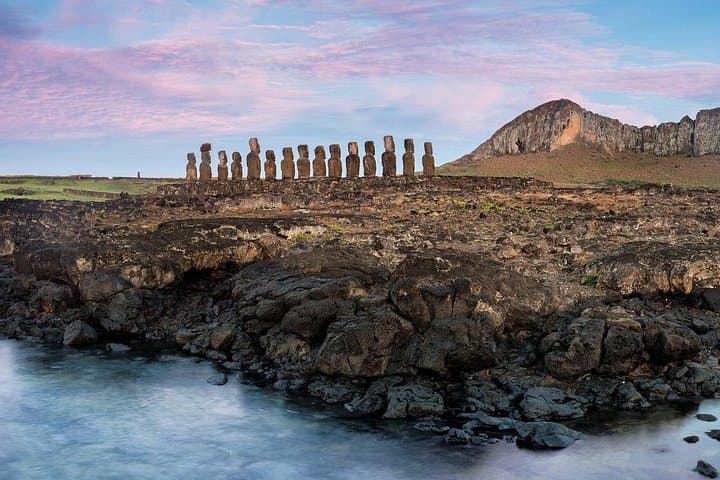
Ahu Tongariki occupies a dramatic stretch on Rapa Nui’s eastern shore. The moai are carved from volcanic tuff, once quarried from Rano Raraku, and placed on stone ahu platforms that mark lineage and place. Tongariki is the island’s largest rebuilt ahu and offers both cultural context and a clear view to the horizon where ocean and sky contest the dawn.
Beyond geology and craftsmanship, the experience is cultural: islanders restored collapsed statues in recent decades and today maintain the site with local stewardship. Expect seabirds wheelover the surf and the occasional farmer crossing the plateau; the landscape still bears scars of past ecological stress and ongoing restoration efforts.
Practical notes: arrive 30–45 minutes before sunrise; mornings are cool and gusty year-round. The tour is typically 2–3 hours including private transport from Hanga Roa and allows time to photograph silhouettes against the rising sun. Respect marked areas—do not climb the ahu or touch the moai—and follow your certified guide’s instructions.
Bring a tripod, warm layers, and a fully charged camera battery. With proper timing and local guidance, a sunrise at Tongariki is both a visual spectacle and a compact cultural field lesson set against the Atlantic-sized push of the Pacific.
Most tours include private pickup from Hanga Roa; the drive is about 30–40 minutes depending on exact lodging and road conditions.
No—visitors must remain on designated paths and viewing areas to protect the ahu and follow local regulations.
Sunrises are excellent year-round, though late autumn and winter can produce clearer, crisper light; plan for cooler temperatures in those months.
Kapua Tours & Experience operates guided outdoor trips and adventures with an emphasis on safety, stewardship, and memorable experiences.
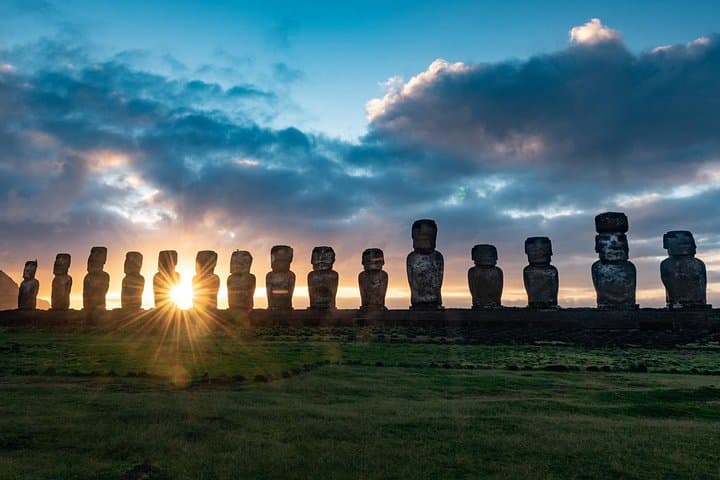
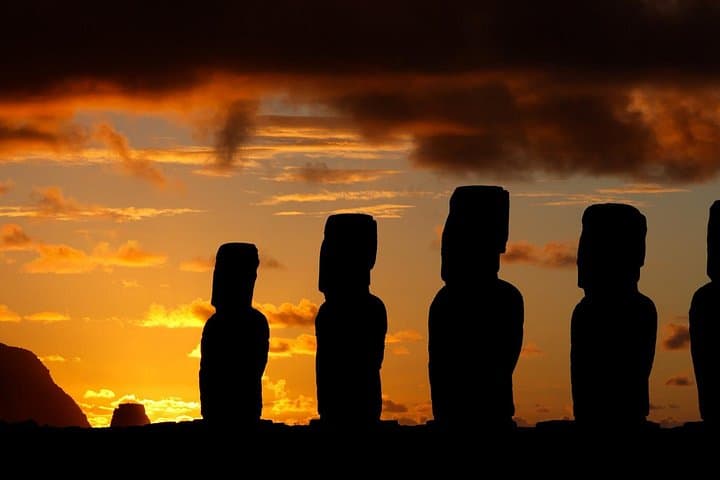
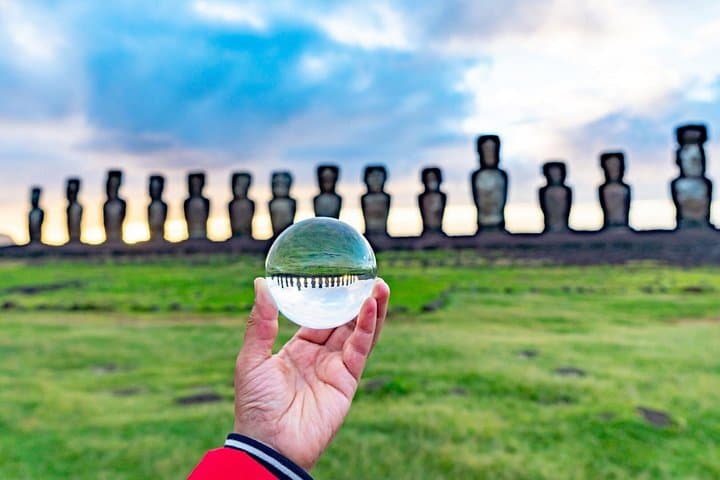
You arrive before dawn, the shore black against a thin ribbon of orange. The Ahu Tongariki silhouette stands in a row—fifteen moai facing inland—while the Pacific pushes light up through the gaps. The guide moves deliberately, pointing out carved features as the first sun pries open shadows and the wind tugs at your jacket.
You arrive before dawn, the shore black against a thin ribbon of orange. The Ahu Tongariki silhouette stands in a row—fifteen moai facing inland—while the Pacific pushes light up through the gaps. The guide moves deliberately, pointing out carved features as the first sun pries open shadows and the wind tugs at your jacket.
Ahu Tongariki occupies a dramatic stretch on Rapa Nui’s eastern shore. The moai are carved from volcanic tuff, once quarried from Rano Raraku, and placed on stone ahu platforms that mark lineage and place. Tongariki is the island’s largest rebuilt ahu and offers both cultural context and a clear view to the horizon where ocean and sky contest the dawn.
Beyond geology and craftsmanship, the experience is cultural: islanders restored collapsed statues in recent decades and today maintain the site with local stewardship. Expect seabirds wheelover the surf and the occasional farmer crossing the plateau; the landscape still bears scars of past ecological stress and ongoing restoration efforts.
Practical notes: arrive 30–45 minutes before sunrise; mornings are cool and gusty year-round. The tour is typically 2–3 hours including private transport from Hanga Roa and allows time to photograph silhouettes against the rising sun. Respect marked areas—do not climb the ahu or touch the moai—and follow your certified guide’s instructions.
Bring a tripod, warm layers, and a fully charged camera battery. With proper timing and local guidance, a sunrise at Tongariki is both a visual spectacle and a compact cultural field lesson set against the Atlantic-sized push of the Pacific.