THE ADVENTURE COLLECTIVE® · Independent discovery and booking for outdoor travel

Watch Angkor Wat rise with the sun, trace the bas‑reliefs of Angkor Thom, then drift through Kampong Phluk’s flooded forest on Tonle Sap. This two‑day small‑group tour pairs archaeology with intimate wildlife and village encounters.
Watch Angkor Wat rise with the sun, trace the bas‑reliefs of Angkor Thom, then drift through Kampong Phluk’s flooded forest on Tonle Sap. This two‑day small‑group tour pairs archaeology with intimate wildlife and village encounters.
Before dawn you slip from the hotel into humid night, the van threading rice fields as lantern-bright villages blur past. By 4:30 a.m. the silhouette of Angkor Wat lifts from the mirror of a still pool — a slow, patient reveal as sky lightens and temple towers sharpen into relief. The first day is temple rhythm: shadowed galleries, bas‑reliefs that read like recorded court life, the face towers of Bayon and the root‑riven corridors of Ta Prohm that still feel slightly dangerous and strangely inhabited.
Verified experiences and guided adventures in the surrounding area.
Operated by Angkor Focus Travel · Siem Reap, Siem Reap Province
Before dawn you slip from the hotel into humid night, the van threading rice fields as lantern-bright villages blur past. By 4:30 a.m. the silhouette of Angkor Wat lifts from the mirror of a still pool — a slow, patient reveal as sky lightens and temple towers sharpen into relief. The first day is temple rhythm: shadowed galleries, bas‑reliefs that read like recorded court life, the face towers of Bayon and the root‑riven corridors of Ta Prohm that still feel slightly dangerous and strangely inhabited.
Angkor was the capital of the Khmer Empire in the 12th century; its sandstone monuments were cut and raised with hydraulic engineering tied to the region’s seasonal water cycle. The second day shifts from stone to water: Tonle Sap’s flooded forest and the stilted community of Kampong Phluk, part of a UNESCO biosphere where fishing and commerce follow the lake’s swell and retreat.
Expect easy walking on uneven stone and boat trips through shaded channels packed with birds and mangrove roots. Practical notes: start early to avoid heat, carry sun protection and cash for local fees and snacks, and respect homestead privacy when visiting floating villages. Guides translate both archaeology and contemporary life, helping you see how Khmer history meets daily survival on water.
This two‑day mix of temple archaeology and freshwater ecology is sensory and pragmatic — ornate stonework, sticky heat, long days, and the steady comfort of an air‑conditioned transfer between scenes.
The tour notes admission for some sites is not included — bring cash to purchase the appropriate Angkor pass if not included at booking.
Boat excursions usually run about 1–2 hours, depending on water level and village access, allowing time to cruise canals and visit stilt houses.
Yes — the itinerary is labeled suitable for all fitness levels, but expect early starts, long days, and uneven walking; consider your group’s stamina.
From March–August the tour often substitutes a visit to Phare The Cambodia Circus instead of full Tonle Sap boat access due to low water levels.
Angkor Focus Travel operates guided outdoor trips and adventures with an emphasis on safety, stewardship, and memorable experiences.
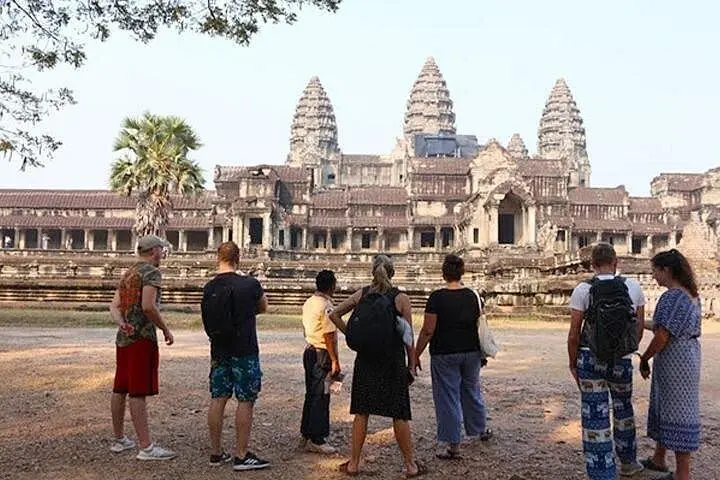
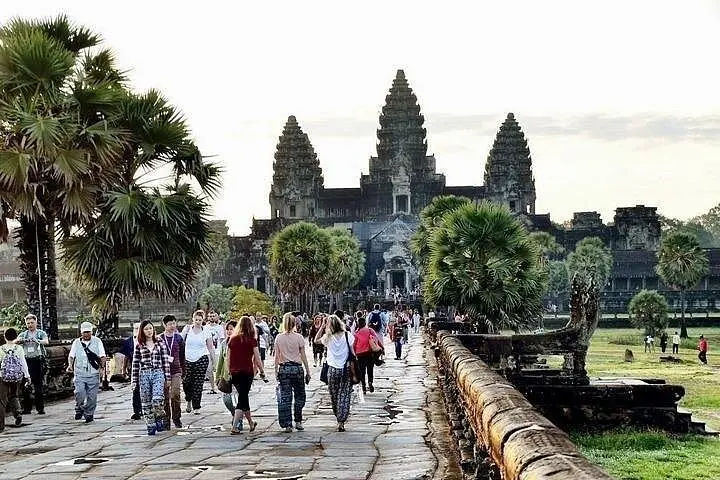
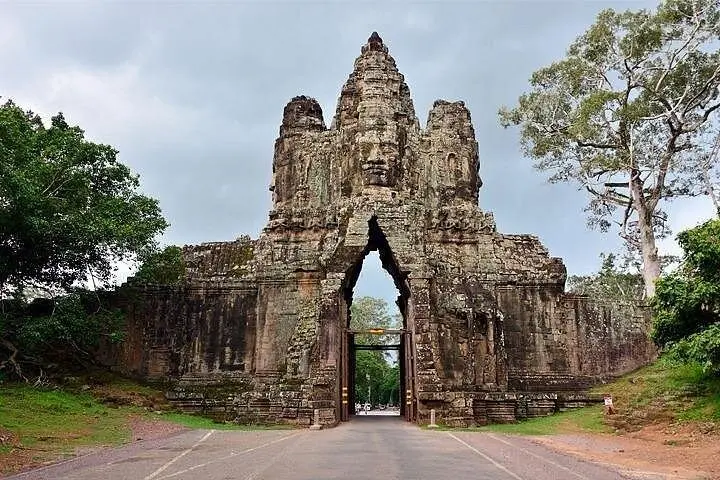
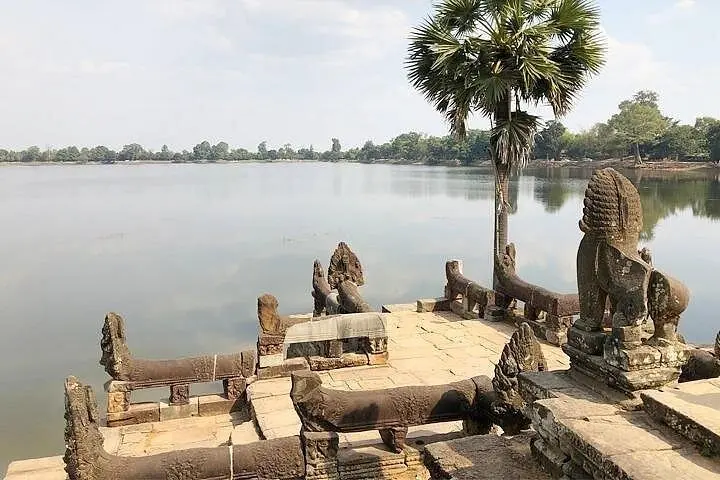
Before dawn you slip from the hotel into humid night, the van threading rice fields as lantern-bright villages blur past. By 4:30 a.m. the silhouette of Angkor Wat lifts from the mirror of a still pool — a slow, patient reveal as sky lightens and temple towers sharpen into relief. The first day is temple rhythm: shadowed galleries, bas‑reliefs that read like recorded court life, the face towers of Bayon and the root‑riven corridors of Ta Prohm that still feel slightly dangerous and strangely inhabited.
Before dawn you slip from the hotel into humid night, the van threading rice fields as lantern-bright villages blur past. By 4:30 a.m. the silhouette of Angkor Wat lifts from the mirror of a still pool — a slow, patient reveal as sky lightens and temple towers sharpen into relief. The first day is temple rhythm: shadowed galleries, bas‑reliefs that read like recorded court life, the face towers of Bayon and the root‑riven corridors of Ta Prohm that still feel slightly dangerous and strangely inhabited.
Angkor was the capital of the Khmer Empire in the 12th century; its sandstone monuments were cut and raised with hydraulic engineering tied to the region’s seasonal water cycle. The second day shifts from stone to water: Tonle Sap’s flooded forest and the stilted community of Kampong Phluk, part of a UNESCO biosphere where fishing and commerce follow the lake’s swell and retreat.
Expect easy walking on uneven stone and boat trips through shaded channels packed with birds and mangrove roots. Practical notes: start early to avoid heat, carry sun protection and cash for local fees and snacks, and respect homestead privacy when visiting floating villages. Guides translate both archaeology and contemporary life, helping you see how Khmer history meets daily survival on water.
This two‑day mix of temple archaeology and freshwater ecology is sensory and pragmatic — ornate stonework, sticky heat, long days, and the steady comfort of an air‑conditioned transfer between scenes.