THE ADVENTURE COLLECTIVE® · Independent discovery and booking for outdoor travel

Rise before dawn at Angkor Wat to watch the spires emerge from the moat, then spend two days exploring Bayon, Ta Prohm, Beng Mealea and the floating villages of Tonle Sap. This practical guide prepares you for early starts, temple etiquette, and what to pack.
Rise before dawn at Angkor Wat to watch the spires emerge from the moat, then spend two days exploring Bayon, Ta Prohm, Beng Mealea and the floating villages of Tonle Sap. This practical guide prepares you for early starts, temple etiquette, and what to pack.
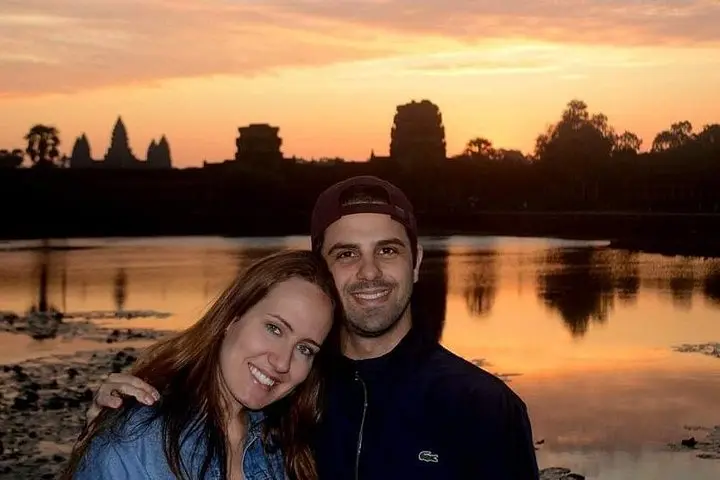
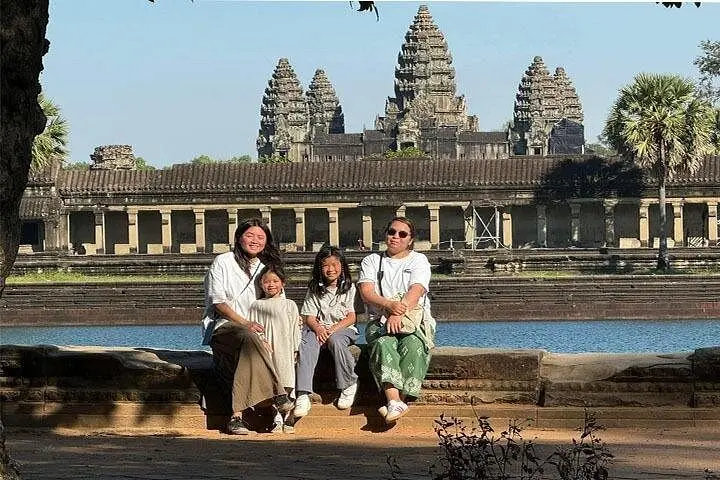
Before dawn the causeway to Angkor Wat is a ribbon of shadow and sound — tuk-tuks idling, vendors setting up steaming noodles, and the moat holding the sky like a shallow mirror. At 5:10 a.m. the central spires silhouette against pink light; the stone takes on a quiet, almost human patience as the first sun slides over bas-reliefs.
Verified experiences and guided adventures in the surrounding area.
Operated by Buffalo Angkor · Siem Reap, Siem Reap
Before dawn the causeway to Angkor Wat is a ribbon of shadow and sound — tuk-tuks idling, vendors setting up steaming noodles, and the moat holding the sky like a shallow mirror. At 5:10 a.m. the central spires silhouette against pink light; the stone takes on a quiet, almost human patience as the first sun slides over bas-reliefs.
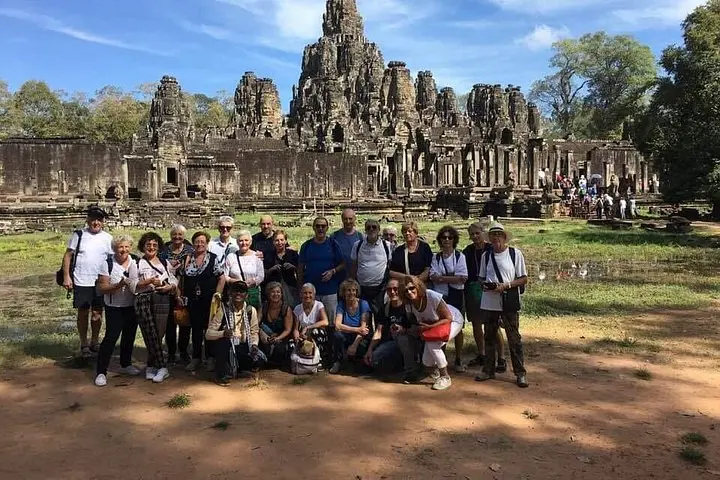
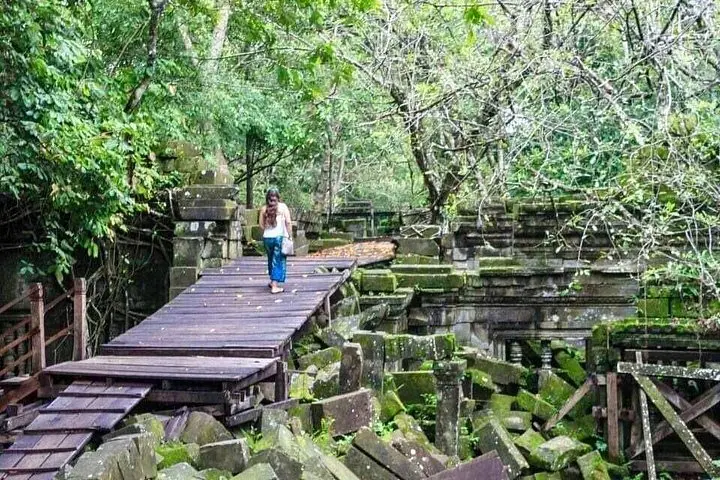
This itinerary threads through the Khmer Empire’s high points: Angkor Wat (early 12th century, Suryavarman II), the enigmatic Bayon with its smiling towers from Jayavarman VII’s reign, and Ta Prohm where fig roots and walls argue over space. Beng Mealea offers a wilder, half-swallowed temple experience, while Tonle Sap’s stilt villages — Kampong Phluk — reveal a seasonal lake ecosystem where livelihoods rise and fall with the monsoon. The geology is primarily thick sandstone and laterite; many structures stand because of careful restoration and the area’s relatively stable karst terrain.
Practically, the tour is an early-start, multi-day cultural trek rather than a strenuous hike. Expect long periods of walking on uneven stone, sun exposure, and brief boat rides on Tonle Sap. Bring a valid Angkor temple pass, comfortable closed-toe shoes, sun protection, insect repellent, and modest clothing that covers shoulders and knees for temple entry. Guides typically provide airport pickup (SAI) and air-conditioned transfers; food stops are local and flexible. Pace your visits to avoid midday heat, hydrate frequently, and respect conservation signs — many bas-reliefs are fragile. With solid planning, this loop combines cinematic sunrise moments, intimate temple encounters, and a clear window into Cambodia’s living water culture.
Yes. Angkor Archaeological Park requires a timed entrance pass (1-day, 3-day, or 7-day options); bring ID and purchase in Siem Reap before visiting Angkor Wat.
Some areas and transport options are wheelchair-accessible, but many temple interiors and Beng Mealea have uneven steps and roots that limit access; confirm specifics with the operator.
Dry season (November–February) offers cooler temperatures and clearer skies for sunrise shots; avoid the peak monsoon months if you want minimal rain interruptions.
Boat tours of Kampong Phluk or Kompong Khleang are commonly included or available as add-ons; check the tour details to confirm if boat fees are covered.
Buffalo Angkor operates guided outdoor trips and adventures with an emphasis on safety, stewardship, and memorable experiences.
Before dawn the causeway to Angkor Wat is a ribbon of shadow and sound — tuk-tuks idling, vendors setting up steaming noodles, and the moat holding the sky like a shallow mirror. At 5:10 a.m. the central spires silhouette against pink light; the stone takes on a quiet, almost human patience as the first sun slides over bas-reliefs.
Before dawn the causeway to Angkor Wat is a ribbon of shadow and sound — tuk-tuks idling, vendors setting up steaming noodles, and the moat holding the sky like a shallow mirror. At 5:10 a.m. the central spires silhouette against pink light; the stone takes on a quiet, almost human patience as the first sun slides over bas-reliefs.
This itinerary threads through the Khmer Empire’s high points: Angkor Wat (early 12th century, Suryavarman II), the enigmatic Bayon with its smiling towers from Jayavarman VII’s reign, and Ta Prohm where fig roots and walls argue over space. Beng Mealea offers a wilder, half-swallowed temple experience, while Tonle Sap’s stilt villages — Kampong Phluk — reveal a seasonal lake ecosystem where livelihoods rise and fall with the monsoon. The geology is primarily thick sandstone and laterite; many structures stand because of careful restoration and the area’s relatively stable karst terrain.
Practically, the tour is an early-start, multi-day cultural trek rather than a strenuous hike. Expect long periods of walking on uneven stone, sun exposure, and brief boat rides on Tonle Sap. Bring a valid Angkor temple pass, comfortable closed-toe shoes, sun protection, insect repellent, and modest clothing that covers shoulders and knees for temple entry. Guides typically provide airport pickup (SAI) and air-conditioned transfers; food stops are local and flexible. Pace your visits to avoid midday heat, hydrate frequently, and respect conservation signs — many bas-reliefs are fragile. With solid planning, this loop combines cinematic sunrise moments, intimate temple encounters, and a clear window into Cambodia’s living water culture.