THE ADVENTURE COLLECTIVE® · Independent discovery and booking for outdoor travel

Watch Angkor Wat at sunrise, wander Ta Prohm’s root-choked galleries, then trade temples for the jungle and pools of Phnom Kulen on a two-day guided tour with a riverside picnic. Early mornings, temple walking, and a cooling waterfall make this a full but manageable cultural-adventure combo.
Watch Angkor Wat at sunrise, wander Ta Prohm’s root-choked galleries, then trade temples for the jungle and pools of Phnom Kulen on a two-day guided tour with a riverside picnic. Early mornings, temple walking, and a cooling waterfall make this a full but manageable cultural-adventure combo.
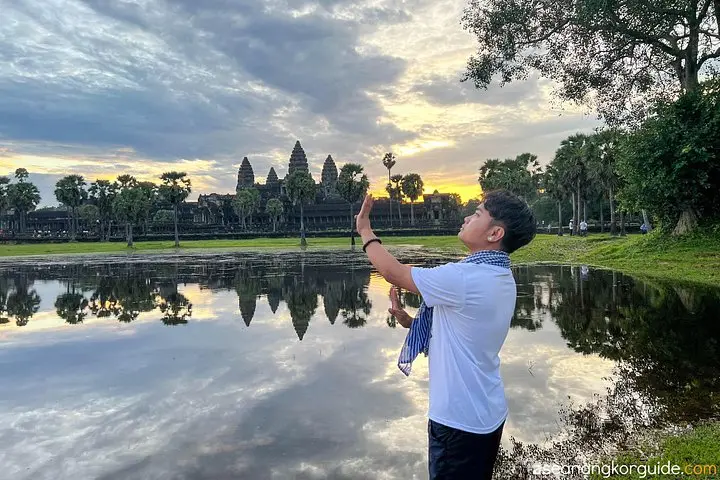
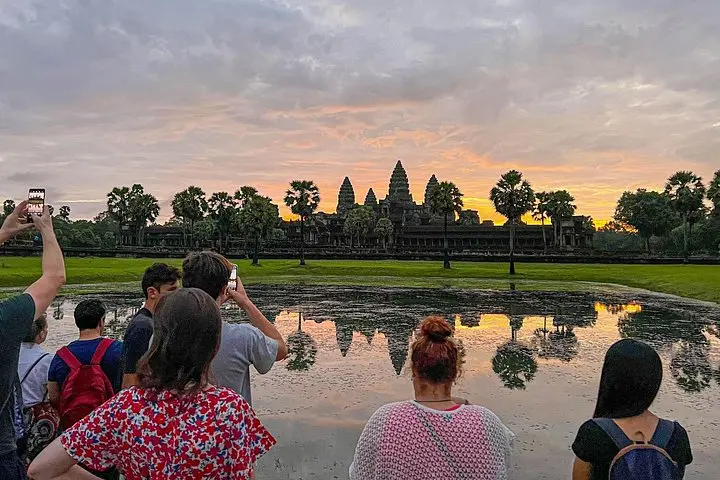
You stand before Angkor Wat as first light sharpens its towers—cool air carrying the tang of wet stone and incense from a distant shrine.
Verified experiences and guided adventures in the surrounding area.
Operated by Asean Angkor Guide · Siem Reap, Siem Reap Province
You stand before Angkor Wat as first light sharpens its towers—cool air carrying the tang of wet stone and incense from a distant shrine.
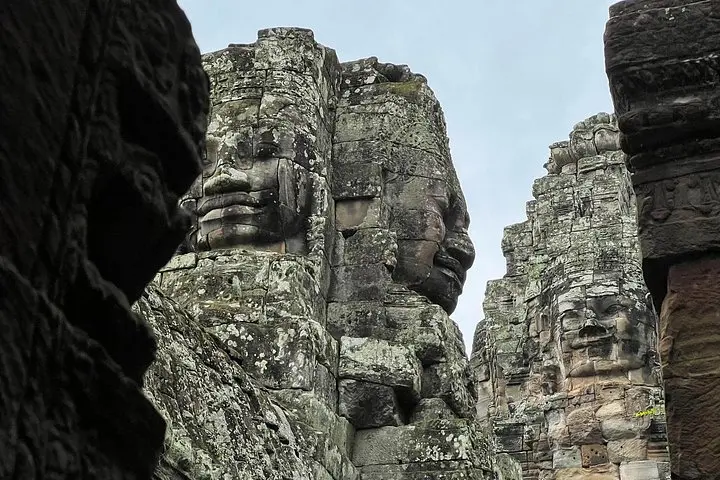
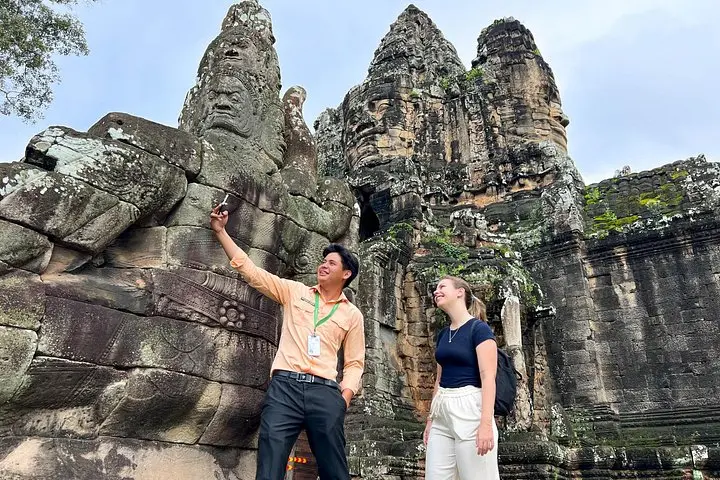
On day one the group slips through the temple’s broad causeway to watch sunrise over the moat, then fans out through Pre Rup’s brick terraces and Ta Prohm’s root-strewn corridors where fig roots push and pry at ancient masonry. Bayon’s carved faces watch you move; the Terrace of the Elephants still holds the echo of parade ground rituals.
Day two shifts from archaeology to highland river. Phnom Kulen’s ridges throw sudden cliffs and dense jungle into relief; the Sacred River bears carved Hindu motifs from the 9th century and the waterfall drops through multi-tiered pools that dare you to cool off. A picnic of grilled chicken and seasonal fruit under the canopy links contemporary rural life with the mountain’s role as the cradle of the Khmer state—Jayavarman II proclaimed sovereignty here in 802 AD.
Geology is visible in the sandstone and laterite that built Angkor, and in the Kulen plateau’s sandstone escarpments that feed the waterfalls. Culturally the tour threads village breakfasts and local flavors between major monuments.
Practical edge: dawn starts, modest walking on uneven floors and short jungle trails, and sticky tropical heat mean early starts, sun protection, insect repellent and a small daypack are non-negotiable. Buy or validate your Angkor pass in Siem Reap before day one; carry cash for small village purchases. Pace yourself—this is discovery at a steady, tactile rhythm, not a race.
The tour includes Phnom Kulen admission, picnic and some temple entries noted in the itinerary, but you should purchase or validate your Angkor pass in Siem Reap before the sunrise visit to Angkor Wat.
Swimming in Kulen’s pools is common and refreshing; use caution on slippery rocks, avoid strong currents after heavy rain and follow guide instructions.
Yes—there are village stops for breakfast on day one and picnic lunch on day two; bring small change for local stalls and modest restroom fees in rural areas.
The tour is marketed as suitable for all fitness levels but includes early starts and some walking on uneven ground—consider mobility and stamina when booking.
Asean Angkor Guide operates guided outdoor trips and adventures with an emphasis on safety, stewardship, and memorable experiences.
You stand before Angkor Wat as first light sharpens its towers—cool air carrying the tang of wet stone and incense from a distant shrine.
You stand before Angkor Wat as first light sharpens its towers—cool air carrying the tang of wet stone and incense from a distant shrine.
On day one the group slips through the temple’s broad causeway to watch sunrise over the moat, then fans out through Pre Rup’s brick terraces and Ta Prohm’s root-strewn corridors where fig roots push and pry at ancient masonry. Bayon’s carved faces watch you move; the Terrace of the Elephants still holds the echo of parade ground rituals.
Day two shifts from archaeology to highland river. Phnom Kulen’s ridges throw sudden cliffs and dense jungle into relief; the Sacred River bears carved Hindu motifs from the 9th century and the waterfall drops through multi-tiered pools that dare you to cool off. A picnic of grilled chicken and seasonal fruit under the canopy links contemporary rural life with the mountain’s role as the cradle of the Khmer state—Jayavarman II proclaimed sovereignty here in 802 AD.
Geology is visible in the sandstone and laterite that built Angkor, and in the Kulen plateau’s sandstone escarpments that feed the waterfalls. Culturally the tour threads village breakfasts and local flavors between major monuments.
Practical edge: dawn starts, modest walking on uneven floors and short jungle trails, and sticky tropical heat mean early starts, sun protection, insect repellent and a small daypack are non-negotiable. Buy or validate your Angkor pass in Siem Reap before day one; carry cash for small village purchases. Pace yourself—this is discovery at a steady, tactile rhythm, not a race.