THE ADVENTURE COLLECTIVE® · Independent discovery and booking for outdoor travel

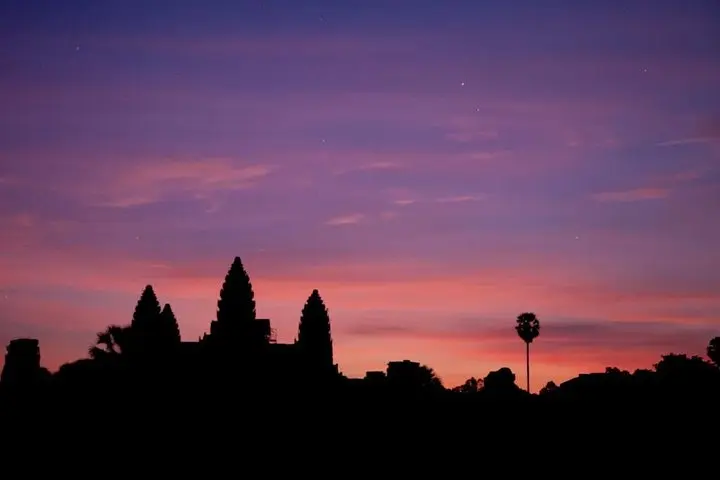
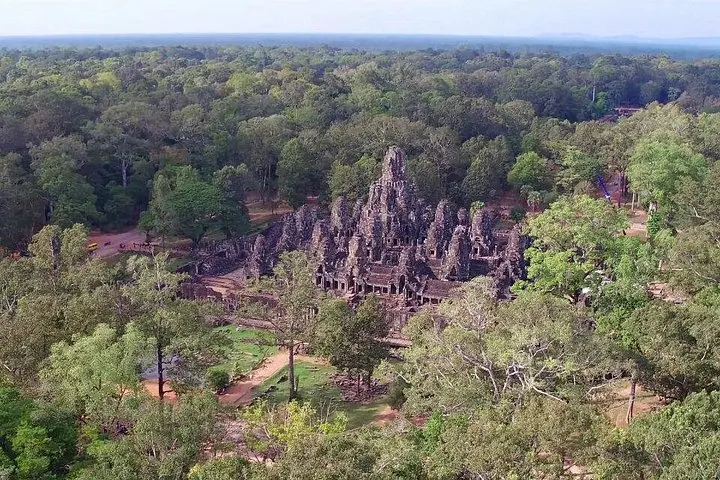
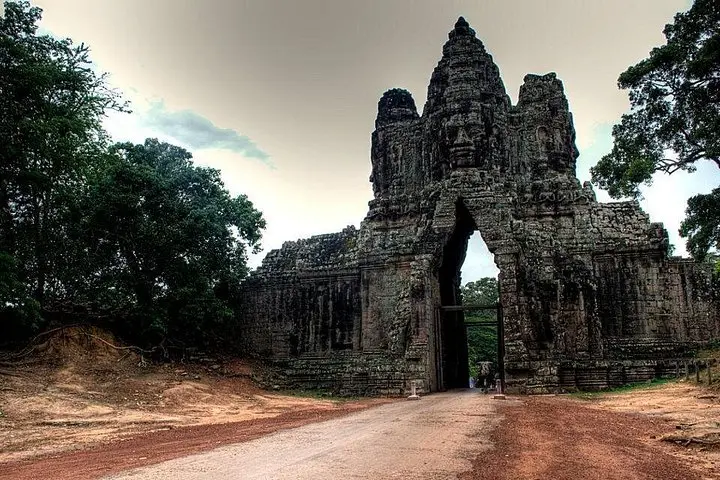
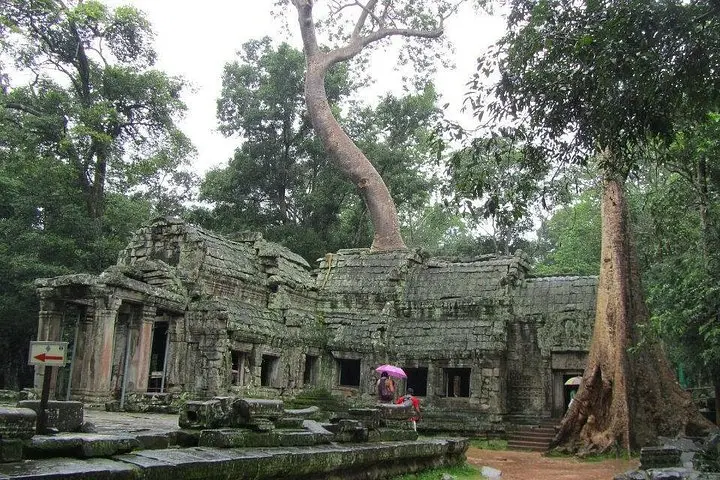
Watch the sun lift over Angkor Wat’s reflection pool, then explore Bayon’s stone faces and Ta Prohm’s root-wrapped galleries on a guided half-day tour. Includes hotel pickup, bottled water and a local guide to explain the Khmer art and architecture.
Watch the sun lift over Angkor Wat’s reflection pool, then explore Bayon’s stone faces and Ta Prohm’s root-wrapped galleries on a guided half-day tour. Includes hotel pickup, bottled water and a local guide to explain the Khmer art and architecture.
You arrive before dawn, the temple silhouette slicing the bruised light over the barbed reflection of the western moat. A steady rumble of tuk-tuks fades as your guide points to the rising band of color; the stones warm from night and the world sharpens into relief.
Verified experiences and guided adventures in the surrounding area.
Operated by Asia Voyage Tour · Siem Reap, Siem Reap Province
You arrive before dawn, the temple silhouette slicing the bruised light over the barbed reflection of the western moat. A steady rumble of tuk-tuks fades as your guide points to the rising band of color; the stones warm from night and the world sharpens into relief.
The itinerary moves from Angkor Wat’s classical galleries—built in the 12th century under Suryavarman II—across laterite causeways to Angkor Thom and Bayon, where carved faces peer from towers. Ta Prohm lets roots reclaim walls, a raw collision of geology and time where sandstone and vegetation tussle for dominance. The park is both archaeological archive and living cultural landscape: monks still pass between chedis, and local vendors supply sweet coffees and sticky rice breakfasts.
Expect easy walking on uneven stone and packed earth, interspersed with short climbs up temple terraces and staircases. Sunrise is weather-dependent; clear mornings reward with mirror-like reflections, while light rain amplifies colors and cools the air. Guides explain iconography—Hindu cosmology carved in bas-relief and the later Mahayana influence—and help avoid fragile areas that conservation teams are actively stabilizing.
Practical notes: arrive with a valid Angkor ticket (purchase at the official ticket office), wear modest clothing that covers shoulders and knees, and bring a refillable water bottle and a headlamp or phone light for pre-dawn paths. Tours typically include hotel pickup, bottled water, and a light Khmer breakfast; they last about five hours and are suitable for most fitness levels. Move deliberately, photograph respectfully, and leave the stones where you found them.
Yes—the Angkor Archaeological Park requires an entry pass. You can buy a ticket at the official ticket center near the park entrance; bring your passport for the pass photo.
The tour is described as easy but includes uneven surfaces and stairs; it’s suitable for children over three and for people able to walk short distances and climb steps, but not recommended for wheelchair users.
Guides typically lead you to recommended viewpoints for reflections and framing; they can advise on timing and angles but cannot reserve crowded spots.
Duplicate
Asia Voyage Tour operates guided outdoor trips and adventures with an emphasis on safety, stewardship, and memorable experiences.
You arrive before dawn, the temple silhouette slicing the bruised light over the barbed reflection of the western moat. A steady rumble of tuk-tuks fades as your guide points to the rising band of color; the stones warm from night and the world sharpens into relief.
You arrive before dawn, the temple silhouette slicing the bruised light over the barbed reflection of the western moat. A steady rumble of tuk-tuks fades as your guide points to the rising band of color; the stones warm from night and the world sharpens into relief.
The itinerary moves from Angkor Wat’s classical galleries—built in the 12th century under Suryavarman II—across laterite causeways to Angkor Thom and Bayon, where carved faces peer from towers. Ta Prohm lets roots reclaim walls, a raw collision of geology and time where sandstone and vegetation tussle for dominance. The park is both archaeological archive and living cultural landscape: monks still pass between chedis, and local vendors supply sweet coffees and sticky rice breakfasts.
Expect easy walking on uneven stone and packed earth, interspersed with short climbs up temple terraces and staircases. Sunrise is weather-dependent; clear mornings reward with mirror-like reflections, while light rain amplifies colors and cools the air. Guides explain iconography—Hindu cosmology carved in bas-relief and the later Mahayana influence—and help avoid fragile areas that conservation teams are actively stabilizing.
Practical notes: arrive with a valid Angkor ticket (purchase at the official ticket office), wear modest clothing that covers shoulders and knees, and bring a refillable water bottle and a headlamp or phone light for pre-dawn paths. Tours typically include hotel pickup, bottled water, and a light Khmer breakfast; they last about five hours and are suitable for most fitness levels. Move deliberately, photograph respectfully, and leave the stones where you found them.