THE ADVENTURE COLLECTIVE® · Independent discovery and booking for outdoor travel

Watch sunrise spill across Angkor Wat’s stone galleries on a small-group guided tour that visits Angkor Wat, Ta Prohm, Ta Keo and Bayon. Start early, dress respectfully, and be ready for an 8–9 hour cultural immersion with expert commentary.
Watch sunrise spill across Angkor Wat’s stone galleries on a small-group guided tour that visits Angkor Wat, Ta Prohm, Ta Keo and Bayon. Start early, dress respectfully, and be ready for an 8–9 hour cultural immersion with expert commentary.
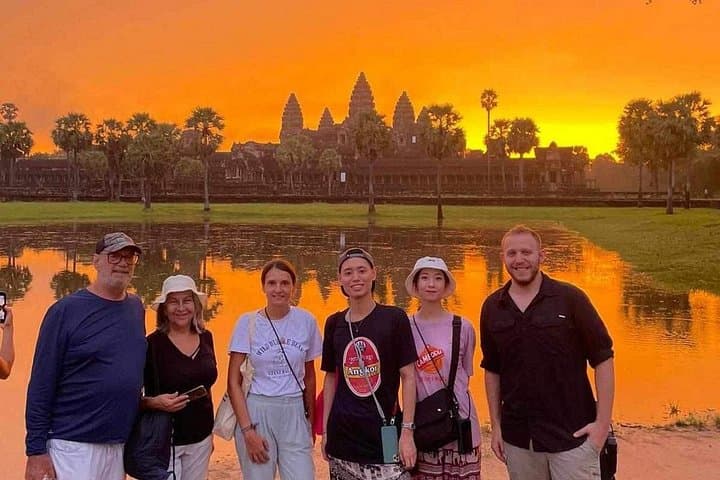
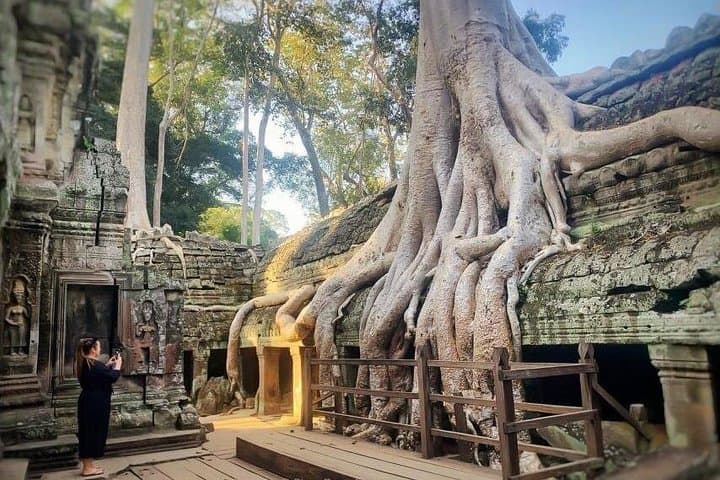
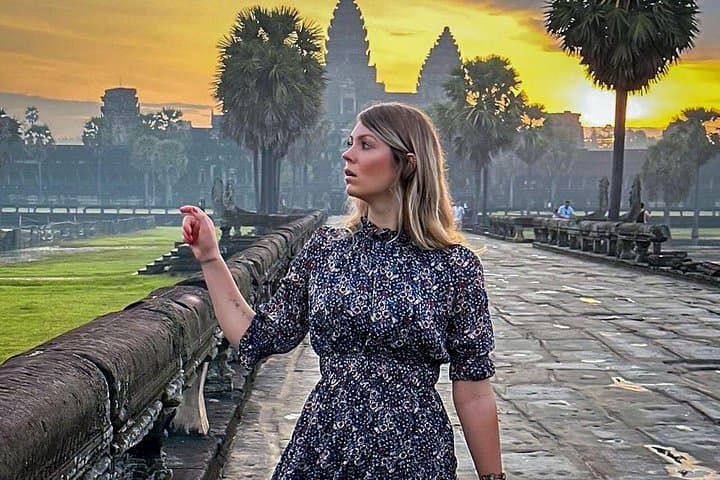
Before the sun clears the horizon, a pale gold band warms the stone of Angkor Wat and the causeway becomes a stage. You arrive by air-conditioned minivan, the city still sleeping, and walk toward the reflection pools as dawn stretches across bas-relief faces and lotus ponds. The air smells of damp earth and frangipani; the jungle around the ruins seems to breathe as roots and vines reclaim old walls.
Verified experiences and guided adventures in the surrounding area.
Operated by Angkor Wat Shared Tours · Siem Reap, Siem Reap Province
Before the sun clears the horizon, a pale gold band warms the stone of Angkor Wat and the causeway becomes a stage. You arrive by air-conditioned minivan, the city still sleeping, and walk toward the reflection pools as dawn stretches across bas-relief faces and lotus ponds. The air smells of damp earth and frangipani; the jungle around the ruins seems to breathe as roots and vines reclaim old walls.
These monuments were built by the Khmer Empire between the 9th and 13th centuries; Angkor Wat itself was conceived as a Hindu cosmological mountain and later became a Buddhist pilgrimage site. Geologically, the temple sits on a low alluvial plain with seasonal reservoirs (barays) that frame views and feed the rice plains beyond. Culturally, the stones carry carved narratives—processions, celestial dancers, and kings asserting power in stone.
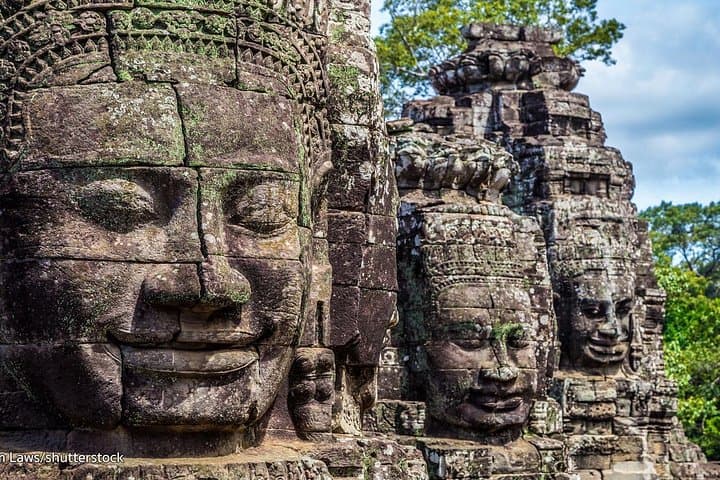
Expect guided stops at Angkor Wat, Ta Prohm (the ‘‘Tomb Raider’’ temple), Ta Keo’s stepped terraces, and Bayon inside Angkor Thom, with about 8–9 hours on tour. The guide will interpret bas-reliefs and point out architectural details; bring curiosity and respect. Practicalities: temple entry tickets are required (not included), dress modestly—shoulders and knees covered—and start early to avoid heat and crowds. Wear sturdy shoes for uneven causeways and stairways; hydrate frequently—the operator provides chilled water.
Timing matters: sunrise is busiest; consider lingering at quieter galleries after the crowds disperse. Move deliberately, stay on marked paths, and remember your presence is on ancient ground—light, listening, and leave no trace.
No. The Angkor Archaeological Park entry pass is typically not included; buy your pass at the official ticket center in Siem Reap before the tour.
This sunrise small-group tour begins before dawn and runs about 8–9 hours, returning to hotels in the afternoon.
Children are welcome, but parents should plan for early starts and stair climbs; limited mobility can restrict access at some temples with many steps.
Yes—photography is allowed at most sites, but avoid using tripods where prohibited and don’t climb on carvings or walls for photos.
Angkor Wat Shared Tours operates guided outdoor trips and adventures with an emphasis on safety, stewardship, and memorable experiences.
Before the sun clears the horizon, a pale gold band warms the stone of Angkor Wat and the causeway becomes a stage. You arrive by air-conditioned minivan, the city still sleeping, and walk toward the reflection pools as dawn stretches across bas-relief faces and lotus ponds. The air smells of damp earth and frangipani; the jungle around the ruins seems to breathe as roots and vines reclaim old walls.
Before the sun clears the horizon, a pale gold band warms the stone of Angkor Wat and the causeway becomes a stage. You arrive by air-conditioned minivan, the city still sleeping, and walk toward the reflection pools as dawn stretches across bas-relief faces and lotus ponds. The air smells of damp earth and frangipani; the jungle around the ruins seems to breathe as roots and vines reclaim old walls.
These monuments were built by the Khmer Empire between the 9th and 13th centuries; Angkor Wat itself was conceived as a Hindu cosmological mountain and later became a Buddhist pilgrimage site. Geologically, the temple sits on a low alluvial plain with seasonal reservoirs (barays) that frame views and feed the rice plains beyond. Culturally, the stones carry carved narratives—processions, celestial dancers, and kings asserting power in stone.
Expect guided stops at Angkor Wat, Ta Prohm (the ‘‘Tomb Raider’’ temple), Ta Keo’s stepped terraces, and Bayon inside Angkor Thom, with about 8–9 hours on tour. The guide will interpret bas-reliefs and point out architectural details; bring curiosity and respect. Practicalities: temple entry tickets are required (not included), dress modestly—shoulders and knees covered—and start early to avoid heat and crowds. Wear sturdy shoes for uneven causeways and stairways; hydrate frequently—the operator provides chilled water.
Timing matters: sunrise is busiest; consider lingering at quieter galleries after the crowds disperse. Move deliberately, stay on marked paths, and remember your presence is on ancient ground—light, listening, and leave no trace.