THE ADVENTURE COLLECTIVE® · Independent discovery and booking for outdoor travel

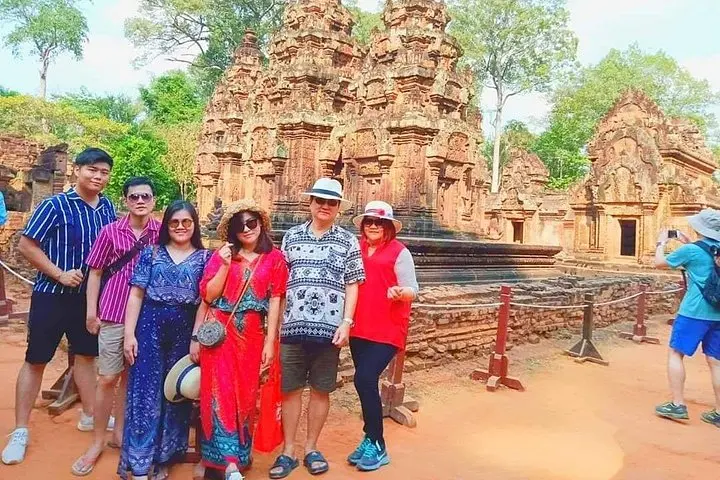
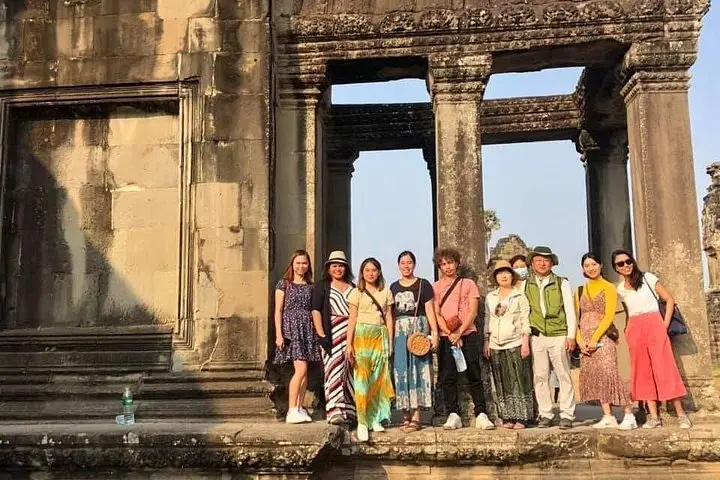
Watch Angkor Wat emerge from darkness on a pre-dawn tuk-tuk ride, then explore Angkor Thom, Bayon and Ta Prohm with a guide. This small-group-style route balances iconic photo stops with historical context and practical tips for a long, humid day.
Watch Angkor Wat emerge from darkness on a pre-dawn tuk-tuk ride, then explore Angkor Thom, Bayon and Ta Prohm with a guide. This small-group-style route balances iconic photo stops with historical context and practical tips for a long, humid day.
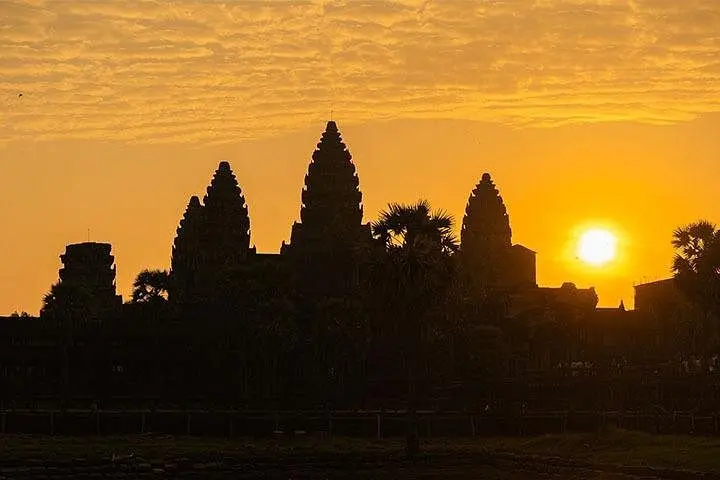
Before the sun fully claims the sky, a ribbon of amber pushes up behind Angkor Wat and the silhouette of its towers sharpens like a carved memory.
Verified experiences and guided adventures in the surrounding area.
Operated by Ta Prohm Temple Tour · Siem Reap, Siem Reap Province
Before the sun fully claims the sky, a ribbon of amber pushes up behind Angkor Wat and the silhouette of its towers sharpens like a carved memory.
You arrive by tuk-tuk, the road breathing with night’s cool; voices hush as the first light teases the moat and bas-reliefs. The guide points out the lintels and galleries—stories cut in stone that predate modern maps—while the temple sheds shadow to reveal its scale.
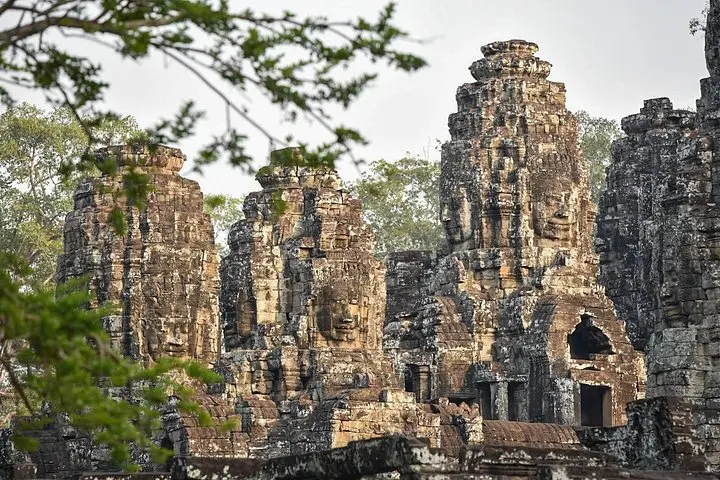
Angkor Wat began as a 12th-century Hindu state temple for King Suryavarman II and later took on Buddhist significance. The complex sits on weathered sandstone laid down millions of years ago and sculpted by human hands into cosmology and kingship; the stones remember both ceremony and conflict. Nearby Angkor Thom and Bayon show a later, more crowded aesthetic—face towers and crowded bas-reliefs—while Ta Prohm straps jungle roots to crumbling walls, nature exerting slow claim.
Expect a mix of easy walking and uneven stone steps; the tour’s rhythm moves from quiet sunrise photography to interpretive stops at major monuments. Practicalities: dress respectfully (shoulders and knees covered), carry cash for the mandatory Angkor pass, and bring a small flashlight or headlamp for pre-dawn paths. Hydration is essential—the provided bottled water helps—but plan for humidity and strong sun after dawn.
Timing is everything: arrive early for the best light and fewer crowds, keep pace with the guide to cover the highlights, and allow extra time if you want to linger at Ta Prohm’s root-wrapped rooms. This is a day where history meets motion, and the stones watch as you walk through centuries.
Angkor Park passes are purchased at the park entrance complex; many travelers buy on arrival the same morning—bring cash or card and allow time for the transaction.
The tour notes wheelchair and stroller accessibility and is suitable for most ages, but some temple areas have steps and uneven ground—check specific mobility needs with the operator.
Sunrise is prime for silhouette shots; early morning light and fewer visitors make 5:00–7:00 AM the ideal window.
This tour focuses on temple visits; meals are typically not included—plan to arrange breakfast or bring snacks, and expect opportunities to stop for lunch in Siem Reap after the morning excursions.
Ta Prohm Temple Tour operates guided outdoor trips and adventures with an emphasis on safety, stewardship, and memorable experiences.
Before the sun fully claims the sky, a ribbon of amber pushes up behind Angkor Wat and the silhouette of its towers sharpens like a carved memory.
Before the sun fully claims the sky, a ribbon of amber pushes up behind Angkor Wat and the silhouette of its towers sharpens like a carved memory.
You arrive by tuk-tuk, the road breathing with night’s cool; voices hush as the first light teases the moat and bas-reliefs. The guide points out the lintels and galleries—stories cut in stone that predate modern maps—while the temple sheds shadow to reveal its scale.
Angkor Wat began as a 12th-century Hindu state temple for King Suryavarman II and later took on Buddhist significance. The complex sits on weathered sandstone laid down millions of years ago and sculpted by human hands into cosmology and kingship; the stones remember both ceremony and conflict. Nearby Angkor Thom and Bayon show a later, more crowded aesthetic—face towers and crowded bas-reliefs—while Ta Prohm straps jungle roots to crumbling walls, nature exerting slow claim.
Expect a mix of easy walking and uneven stone steps; the tour’s rhythm moves from quiet sunrise photography to interpretive stops at major monuments. Practicalities: dress respectfully (shoulders and knees covered), carry cash for the mandatory Angkor pass, and bring a small flashlight or headlamp for pre-dawn paths. Hydration is essential—the provided bottled water helps—but plan for humidity and strong sun after dawn.
Timing is everything: arrive early for the best light and fewer crowds, keep pace with the guide to cover the highlights, and allow extra time if you want to linger at Ta Prohm’s root-wrapped rooms. This is a day where history meets motion, and the stones watch as you walk through centuries.