THE ADVENTURE COLLECTIVE® · Independent discovery and booking for outdoor travel

Catch the Gate of Heaven’s sunrise on the slopes of Lempuyang, then finish the day slipping into the light-flecked amphitheater of Tukad Cepung Waterfall. This full-day East Bali route blends ritual, rugged geology, and hands-on local culture.
Catch the Gate of Heaven’s sunrise on the slopes of Lempuyang, then finish the day slipping into the light-flecked amphitheater of Tukad Cepung Waterfall. This full-day East Bali route blends ritual, rugged geology, and hands-on local culture.
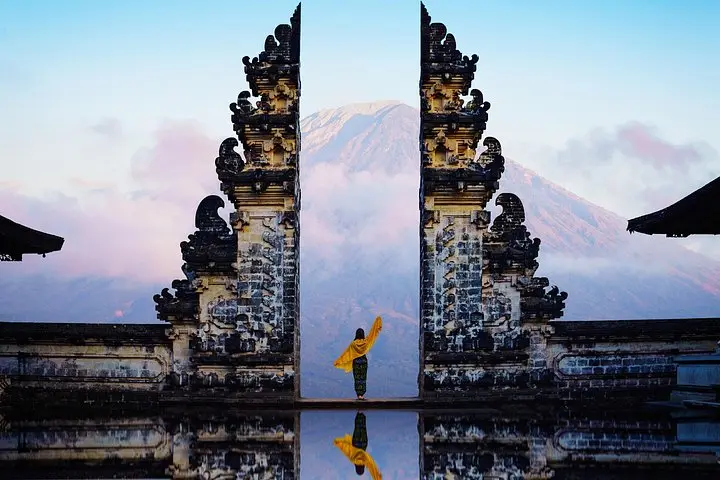
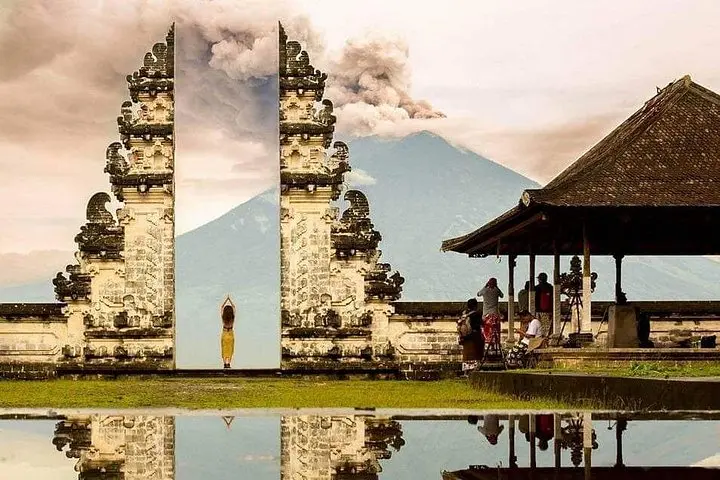
The day begins before dawn on a quiet road climbing through Seraya village, the engine soft, the sky thinning from black to ink. At Lempuyang Temple the world feels held still: clouds sit below the ridge and the temple’s curved gateway frames the sun as it tugs light across the eastern horizon. The Gate of Heaven forces a pause — tourists align their ropes of shadow and light, while wind and prayer flags argue for attention.
Verified experiences and guided adventures in the surrounding area.
Operated by Hire Bali Cab · Amlapura, Bali
The day begins before dawn on a quiet road climbing through Seraya village, the engine soft, the sky thinning from black to ink. At Lempuyang Temple the world feels held still: clouds sit below the ridge and the temple’s curved gateway frames the sun as it tugs light across the eastern horizon. The Gate of Heaven forces a pause — tourists align their ropes of shadow and light, while wind and prayer flags argue for attention.
Lempuyang sits on volcanic ridges that divide Bali’s eastern districts; its stonework and tiers reflect a history of Balinese Hindu practice that shaped both ritual and land management here. Geologically, the slopes are older volcanic flows and terraces carved for rice; nearby, Tukad Cepung Waterfall cuts a narrow gorge through basalt and tufa, sunlight sliding into the canyon like a staged reveal.
Culture is tactile: temple caretakers maintain strict dress codes; villagers in the Seraya area keep traditional compound layouts and rice terraces that tell of water governance that predates modern irrigation. Expect modest walking and short stair climbs at Lempuyang, then wet-rock scrambling into Tukad Cepung’s amphitheater where the waterfall dares you closer with a cool spray.
Practical guidance: start very early to avoid long queues, bring a sarong for temple access and shoes with grip for slippery canyon rock. Hydrate before the climb and allocate time for driving between sites — east Bali’s roads are scenic but winding. Photographers should pack a small tripod and a light headlamp for the pre-dawn walk; leave drones at home around sacred sites. With attention to local customs and simple precautions, the combined sunrise-and-waterfall day delivers both visual drama and a clear sense of place.
Yes; temple rules require covered shoulders and knees—carry a sarong or wear modest clothing. Guides or on-site vendors sometimes provide sarongs.
Expect a short descent into the gorge with uneven steps and rock; total walking is modest but includes slippery sections requiring caution.
The tour is generally family-friendly, but the early start, stairs at the temple and slippery canyon terrain may be challenging for very young children or those with mobility issues.
Yes; operators commonly run full-day itineraries from Ubud, but plan for 2–3 hours of driving round-trip depending on traffic and stops.
Hire Bali Cab operates guided outdoor trips and adventures with an emphasis on safety, stewardship, and memorable experiences.
The day begins before dawn on a quiet road climbing through Seraya village, the engine soft, the sky thinning from black to ink. At Lempuyang Temple the world feels held still: clouds sit below the ridge and the temple’s curved gateway frames the sun as it tugs light across the eastern horizon. The Gate of Heaven forces a pause — tourists align their ropes of shadow and light, while wind and prayer flags argue for attention.
The day begins before dawn on a quiet road climbing through Seraya village, the engine soft, the sky thinning from black to ink. At Lempuyang Temple the world feels held still: clouds sit below the ridge and the temple’s curved gateway frames the sun as it tugs light across the eastern horizon. The Gate of Heaven forces a pause — tourists align their ropes of shadow and light, while wind and prayer flags argue for attention.
Lempuyang sits on volcanic ridges that divide Bali’s eastern districts; its stonework and tiers reflect a history of Balinese Hindu practice that shaped both ritual and land management here. Geologically, the slopes are older volcanic flows and terraces carved for rice; nearby, Tukad Cepung Waterfall cuts a narrow gorge through basalt and tufa, sunlight sliding into the canyon like a staged reveal.
Culture is tactile: temple caretakers maintain strict dress codes; villagers in the Seraya area keep traditional compound layouts and rice terraces that tell of water governance that predates modern irrigation. Expect modest walking and short stair climbs at Lempuyang, then wet-rock scrambling into Tukad Cepung’s amphitheater where the waterfall dares you closer with a cool spray.
Practical guidance: start very early to avoid long queues, bring a sarong for temple access and shoes with grip for slippery canyon rock. Hydrate before the climb and allocate time for driving between sites — east Bali’s roads are scenic but winding. Photographers should pack a small tripod and a light headlamp for the pre-dawn walk; leave drones at home around sacred sites. With attention to local customs and simple precautions, the combined sunrise-and-waterfall day delivers both visual drama and a clear sense of place.