THE ADVENTURE COLLECTIVE® · Independent discovery and booking for outdoor travel

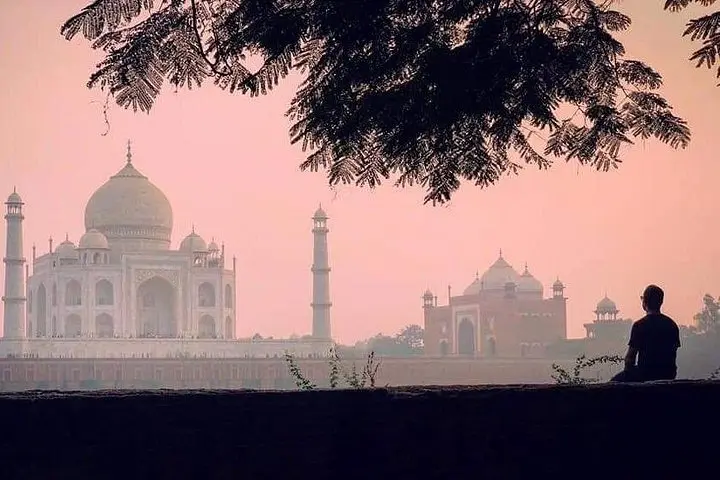
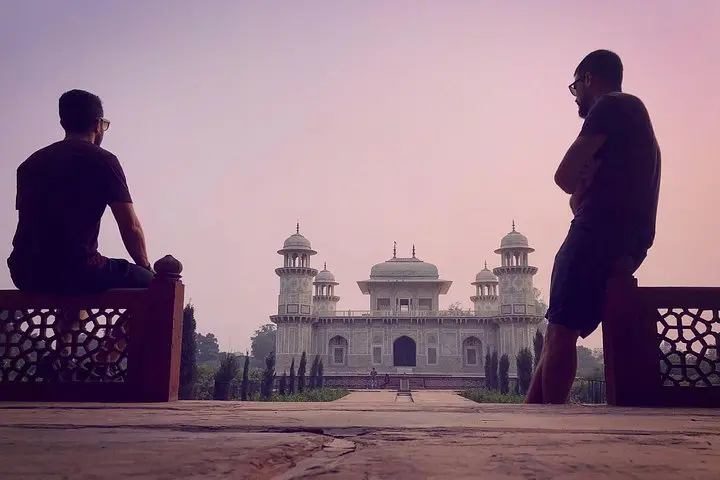
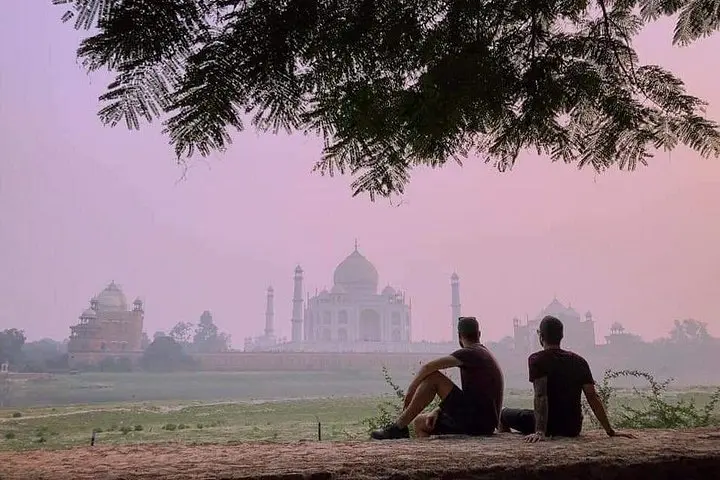
Watch the Taj Mahal glow at sunrise on a private overnight from Delhi. This two-day itinerary combines a sunset view from Mehtab Bagh, a guided visit to Agra Fort, and an early-morning tour of the Taj with hotel stay and AC transfers.
Watch the Taj Mahal glow at sunrise on a private overnight from Delhi. This two-day itinerary combines a sunset view from Mehtab Bagh, a guided visit to Agra Fort, and an early-morning tour of the Taj with hotel stay and AC transfers.
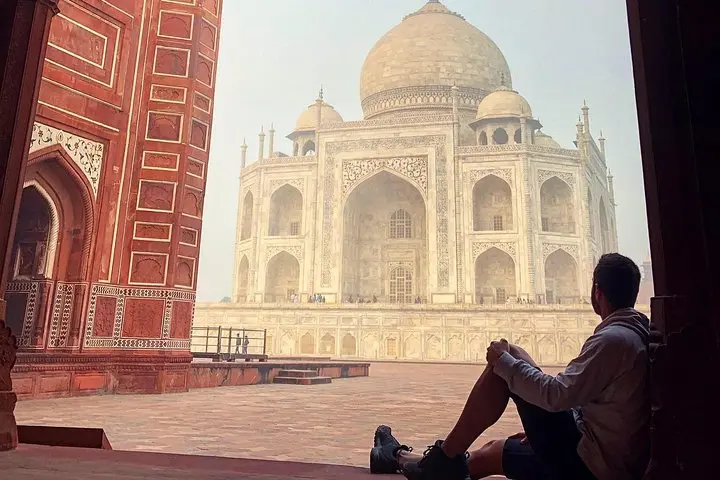
You arrive in Agra before dawn, the city still half-asleep as a pale light slides across the Yamuna. The Taj Mahal rises like a careful promise on the riverbank; its marble cool and quietly reflective as the sunrise deepens. Your guide leads you through the gates when the air is still clear and the monument’s inlaid details sharpen into view.
Verified experiences and guided adventures in the surrounding area.
Operated by New India Vacations · Agra, Uttar Pradesh
You arrive in Agra before dawn, the city still half-asleep as a pale light slides across the Yamuna. The Taj Mahal rises like a careful promise on the riverbank; its marble cool and quietly reflective as the sunrise deepens. Your guide leads you through the gates when the air is still clear and the monument’s inlaid details sharpen into view.
Agra was the Mughal capital in the 16th–17th centuries and the Taj Mahal, commissioned by Shah Jahan in 1631, combines Persian, Turkish and Indian architectural traditions. The nearby Agra Fort is red sandstone power—bastions, halls and the small white mosques added later by Shah Jahan—while Mehtab Bagh across the Yamuna offers a framed, quieter view at sunset. Geologically, the Taj sits on floodplain silt; the Yamuna’s flow and seasonal retreat shape both access and sightlines.
Expect a cultural sweep: artisans’ pietra dura inlays, mosque calls from local communities, and markets selling marble replicas and sweet paan. Conservation is visible—vehicle restrictions and pollution controls aim to protect marble from soot and acid rain, and entry times are timed to reduce crowding.
Practical guidance: book the early-morning slot for softer light and smaller crowds, and carry ID for ticket checks. Wear modest, comfortable clothing with non-slip shoes for walking through gardens and marble platforms. Bring water, a hat and a compact camera; sunrise photography is best in the first hour after opening. Transfers from Delhi are about 3.5–4 hours each way by AC vehicle—factor traffic into arrival and departure times.
No. The Taj Mahal is closed on Fridays; plan your itinerary around that weekly closure.
Typical drive time is about 3.5–4 hours each way by AC car, but traffic can extend that—allow buffer time.
This tour specifies guided visits; verify whether entry tickets to the Taj and Agra Fort are included when booking.
Yes; the tour is rated easy and accessible, but inform providers of mobility issues so arrangements can be made.
New India Vacations operates guided outdoor trips and adventures with an emphasis on safety, stewardship, and memorable experiences.
You arrive in Agra before dawn, the city still half-asleep as a pale light slides across the Yamuna. The Taj Mahal rises like a careful promise on the riverbank; its marble cool and quietly reflective as the sunrise deepens. Your guide leads you through the gates when the air is still clear and the monument’s inlaid details sharpen into view.
You arrive in Agra before dawn, the city still half-asleep as a pale light slides across the Yamuna. The Taj Mahal rises like a careful promise on the riverbank; its marble cool and quietly reflective as the sunrise deepens. Your guide leads you through the gates when the air is still clear and the monument’s inlaid details sharpen into view.
Agra was the Mughal capital in the 16th–17th centuries and the Taj Mahal, commissioned by Shah Jahan in 1631, combines Persian, Turkish and Indian architectural traditions. The nearby Agra Fort is red sandstone power—bastions, halls and the small white mosques added later by Shah Jahan—while Mehtab Bagh across the Yamuna offers a framed, quieter view at sunset. Geologically, the Taj sits on floodplain silt; the Yamuna’s flow and seasonal retreat shape both access and sightlines.
Expect a cultural sweep: artisans’ pietra dura inlays, mosque calls from local communities, and markets selling marble replicas and sweet paan. Conservation is visible—vehicle restrictions and pollution controls aim to protect marble from soot and acid rain, and entry times are timed to reduce crowding.
Practical guidance: book the early-morning slot for softer light and smaller crowds, and carry ID for ticket checks. Wear modest, comfortable clothing with non-slip shoes for walking through gardens and marble platforms. Bring water, a hat and a compact camera; sunrise photography is best in the first hour after opening. Transfers from Delhi are about 3.5–4 hours each way by AC vehicle—factor traffic into arrival and departure times.