THE ADVENTURE COLLECTIVE® · Independent discovery and booking for outdoor travel

Watch the Taj Mahal transform in the first light on this private car trip from Delhi. Early pickup, expert local guide, and visits to Agra Fort and the Baby Taj make it a full, all‑inclusive day of Mughal history.
Watch the Taj Mahal transform in the first light on this private car trip from Delhi. Early pickup, expert local guide, and visits to Agra Fort and the Baby Taj make it a full, all‑inclusive day of Mughal history.
Before the sun clears the horizon you are already on the road — headlights cutting through a cool, pre-dawn plain as the car hums toward Agra. The river plains flatten the world; fields slip past like dark pages until the first pink light hits the Taj’s white marble and the monument seems to rise from the ground like a memory made visible.
Verified experiences and guided adventures in the surrounding area.
Operated by Taj Mirror Tours · Agra, Uttar Pradesh
Before the sun clears the horizon you are already on the road — headlights cutting through a cool, pre-dawn plain as the car hums toward Agra. The river plains flatten the world; fields slip past like dark pages until the first pink light hits the Taj’s white marble and the monument seems to rise from the ground like a memory made visible.
Built between 1632 and 1653 by Shah Jahan for Mumtaz Mahal, the Taj Mahal sits on alluvial sediments of the Indo‑Gangetic plain and borrows Makrana marble from Rajasthan. Close by, the red-sandstone ramparts of Agra Fort recall Akbar’s imperial ambitions, while the delicate pietra dura of the Itmad‑ud‑Daulah — the “Baby Taj” — previews later Mughal detail. Culture here mixes craft and ceremony: stone carvers’ techniques persist, vendors sell brassware, and the Yamuna, running along the monuments, dares you to look beyond the facades to the city that grew around royal patronage.
Practical guidance: pickups often start around 2:30 AM for a sunrise entry; allow three hours driving each way from Delhi (roughly 200–230 km). Carry a valid photo ID for monument checks, wear comfortable shoes (you may remove them or use shoe covers inside certain sites), and bring a reusable water bottle. Expect security screening and modest walking across lawns and marble platforms. Sunrise colors shift quickly — arrive early for quieter views and bring spare batteries for low‑light photography. Finally, note the Taj is closed on Fridays; plan accordingly.
Typical pickup is around 2:30 AM from Delhi; the drive to Agra takes about 3 hours depending on traffic, with the full tour lasting roughly 11–12 hours roundtrip.
Some booking options include breakfast and entry fees; confirm the chosen package because tickets and meals may be optional add‑ons on certain rates.
The Taj Mahal is closed on Fridays for general visitors; plan your booking for another day of the week to ensure access.
The tour notes wheelchair‑accessible transport and surfaces, but some areas in the monuments have steps; check with the operator in advance for specific assistance needs.
Taj Mirror Tours operates guided outdoor trips and adventures with an emphasis on safety, stewardship, and memorable experiences.
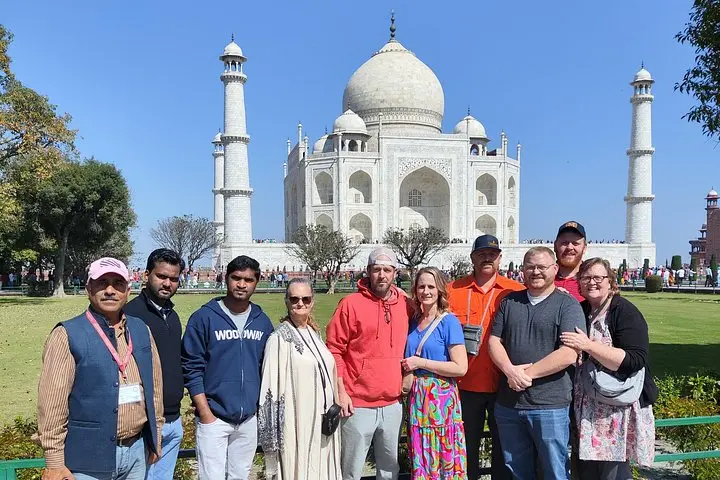
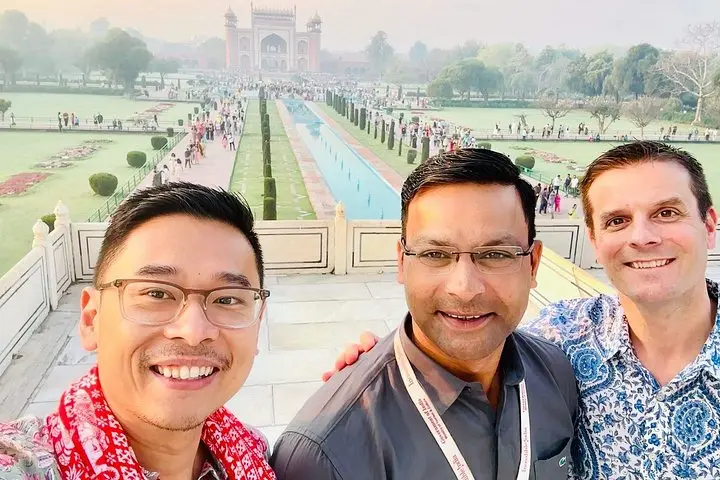


Before the sun clears the horizon you are already on the road — headlights cutting through a cool, pre-dawn plain as the car hums toward Agra. The river plains flatten the world; fields slip past like dark pages until the first pink light hits the Taj’s white marble and the monument seems to rise from the ground like a memory made visible.
Before the sun clears the horizon you are already on the road — headlights cutting through a cool, pre-dawn plain as the car hums toward Agra. The river plains flatten the world; fields slip past like dark pages until the first pink light hits the Taj’s white marble and the monument seems to rise from the ground like a memory made visible.
Built between 1632 and 1653 by Shah Jahan for Mumtaz Mahal, the Taj Mahal sits on alluvial sediments of the Indo‑Gangetic plain and borrows Makrana marble from Rajasthan. Close by, the red-sandstone ramparts of Agra Fort recall Akbar’s imperial ambitions, while the delicate pietra dura of the Itmad‑ud‑Daulah — the “Baby Taj” — previews later Mughal detail. Culture here mixes craft and ceremony: stone carvers’ techniques persist, vendors sell brassware, and the Yamuna, running along the monuments, dares you to look beyond the facades to the city that grew around royal patronage.
Practical guidance: pickups often start around 2:30 AM for a sunrise entry; allow three hours driving each way from Delhi (roughly 200–230 km). Carry a valid photo ID for monument checks, wear comfortable shoes (you may remove them or use shoe covers inside certain sites), and bring a reusable water bottle. Expect security screening and modest walking across lawns and marble platforms. Sunrise colors shift quickly — arrive early for quieter views and bring spare batteries for low‑light photography. Finally, note the Taj is closed on Fridays; plan accordingly.