THE ADVENTURE COLLECTIVE® · Independent discovery and booking for outdoor travel

Watch Uluru awake at sunrise with a private guide from the local Anangu community. This four-hour cultural tour pairs geology and living tradition—Mutitjulu Waterhole, Mala and Kuniya Walks, rock art caves—and practical timing to capture the rock’s color shifts.
Watch Uluru awake at sunrise with a private guide from the local Anangu community. This four-hour cultural tour pairs geology and living tradition—Mutitjulu Waterhole, Mala and Kuniya Walks, rock art caves—and practical timing to capture the rock’s color shifts.
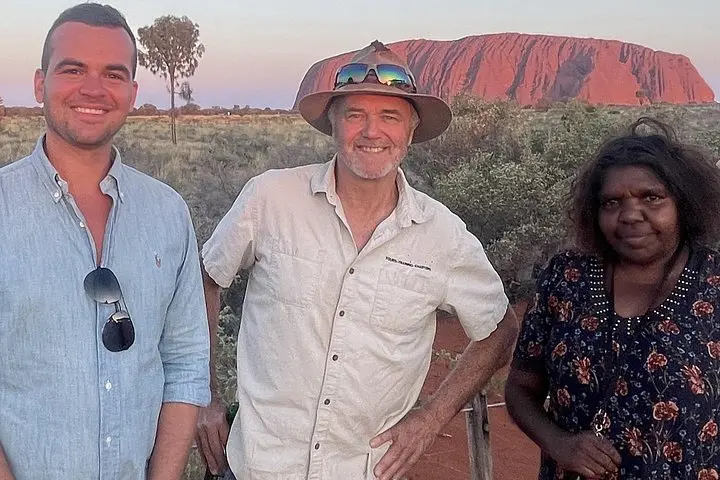
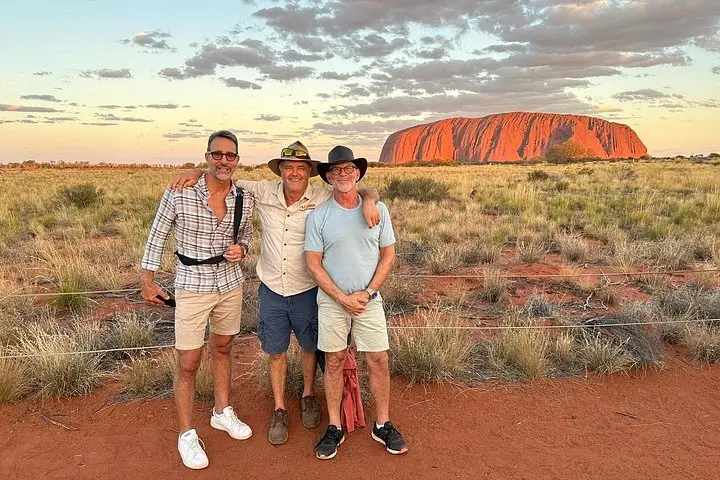
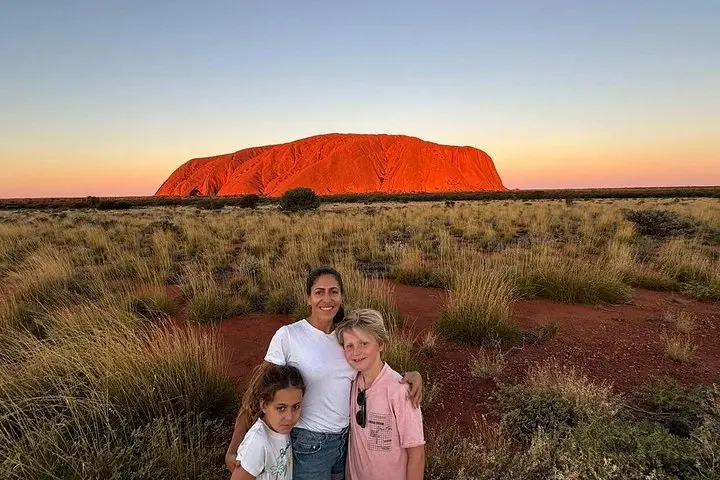
You arrive before dawn, when the desert is still cool and the rock is a silhouette against a slow-bleeding sky. A private vehicle carries you across the red soil toward Uluru, and as the horizon brightens the monolith begins to change color—first a quiet grey, then a furnace-orange that seems to pulse. The silence is not empty; it holds birdsong, the distant rattle of a lizard, and the low voice of a guide who has lived here long enough to read the stone like a page.
Verified experiences and guided adventures in the surrounding area.
Operated by Australian Private Tours · Yulara, Northern Territory
You arrive before dawn, when the desert is still cool and the rock is a silhouette against a slow-bleeding sky. A private vehicle carries you across the red soil toward Uluru, and as the horizon brightens the monolith begins to change color—first a quiet grey, then a furnace-orange that seems to pulse. The silence is not empty; it holds birdsong, the distant rattle of a lizard, and the low voice of a guide who has lived here long enough to read the stone like a page.
Uluru is not merely a geological curiosity. Formed from the erosion-resistant arkose sandstone of an ancient seabed, its steep sides and hard-baked surface record 500 million years of continental motion. For the Anangu—the Indigenous owners of the land—Uluru is a living archive of law, ceremony and creation stories. The site was returned to its traditional owners in 1985, and today guided visits prioritize cultural context: the rock’s cavities and painted caves are both physical features and storytelling points that map ancestral journeys.
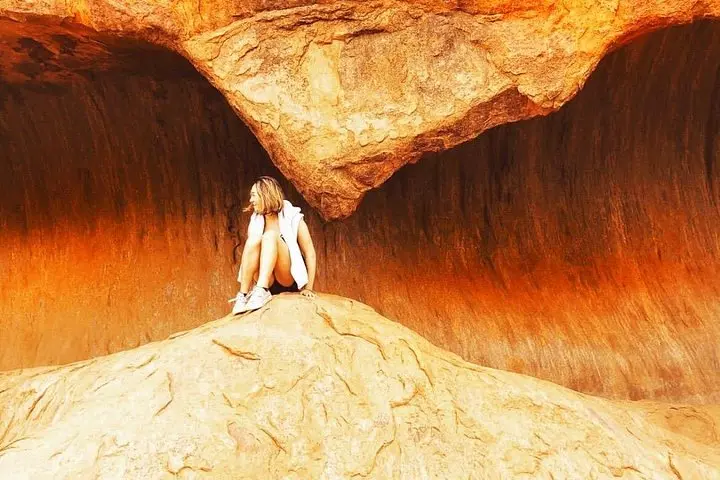
A private sunrise tour allows time to move slowly through the park: a quiet stop at Mutitjulu Waterhole where reflections double the rock, the Mala and Kuniya Walks that trace stories of ancestral beings, and shaded caves where ancient pigments still cling to stone. Your guide will pause to interpret the symbols, explain the significance of certain formations and point out ways that the landscape shaped Anangu life—waterholes as lifelines, ledges for shelter, and rock art that records hunting practices and law.
Practicalities are simple but matter. This is a short, accessible outing—expect four hours with gentle walking on packed earth and boardwalks. Sunrise is the point when the light is best and the heat is least, so plan to be wrapped against the cool morning and ready to shed layers as the desert warms. Respect cultural protocols: climbing Uluru is not part of this tour and is discouraged by the community. Park entry fees apply and are included or arranged by most operators; confirm in advance.
Bring a wide-brim hat, a refillable water bottle, and comfortable walking shoes with good grip for uneven surfaces. Camera batteries and memory cards are worth double—textures and colors shift rapidly. If you want a more in-depth encounter, ask about adding the Indigenous Culture Centre or extending to Kata Tjuta. The rock will keep changing as the sun moves; this tour gives you space to watch that change and listen to the people who know its stories best.
No. Climbing Uluru is culturally sensitive and discouraged by the Anangu; this private tour focuses on walks, viewpoints and cultural interpretation.
Many areas like designated viewing platforms and parts of the Mala Walk have accessible surfaces—confirm specific needs with the operator at booking.
Park entry is typically arranged by the tour operator; confirm inclusion when you book to avoid surprises.
Sunrise and the half-hour after provide the richest, warmest light; carry layers and prepare for quick changes in exposure.
Guides will show rock art from respectful distances and explain protocols—touching or disturbing art is not allowed.
Yes—operators usually provide pickup from Yulara hotels or the airport; specify your pickup point during booking.
Australian Private Tours operates guided outdoor trips and adventures with an emphasis on safety, stewardship, and memorable experiences.
You arrive before dawn, when the desert is still cool and the rock is a silhouette against a slow-bleeding sky. A private vehicle carries you across the red soil toward Uluru, and as the horizon brightens the monolith begins to change color—first a quiet grey, then a furnace-orange that seems to pulse. The silence is not empty; it holds birdsong, the distant rattle of a lizard, and the low voice of a guide who has lived here long enough to read the stone like a page.
You arrive before dawn, when the desert is still cool and the rock is a silhouette against a slow-bleeding sky. A private vehicle carries you across the red soil toward Uluru, and as the horizon brightens the monolith begins to change color—first a quiet grey, then a furnace-orange that seems to pulse. The silence is not empty; it holds birdsong, the distant rattle of a lizard, and the low voice of a guide who has lived here long enough to read the stone like a page.
Uluru is not merely a geological curiosity. Formed from the erosion-resistant arkose sandstone of an ancient seabed, its steep sides and hard-baked surface record 500 million years of continental motion. For the Anangu—the Indigenous owners of the land—Uluru is a living archive of law, ceremony and creation stories. The site was returned to its traditional owners in 1985, and today guided visits prioritize cultural context: the rock’s cavities and painted caves are both physical features and storytelling points that map ancestral journeys.
A private sunrise tour allows time to move slowly through the park: a quiet stop at Mutitjulu Waterhole where reflections double the rock, the Mala and Kuniya Walks that trace stories of ancestral beings, and shaded caves where ancient pigments still cling to stone. Your guide will pause to interpret the symbols, explain the significance of certain formations and point out ways that the landscape shaped Anangu life—waterholes as lifelines, ledges for shelter, and rock art that records hunting practices and law.
Practicalities are simple but matter. This is a short, accessible outing—expect four hours with gentle walking on packed earth and boardwalks. Sunrise is the point when the light is best and the heat is least, so plan to be wrapped against the cool morning and ready to shed layers as the desert warms. Respect cultural protocols: climbing Uluru is not part of this tour and is discouraged by the community. Park entry fees apply and are included or arranged by most operators; confirm in advance.
Bring a wide-brim hat, a refillable water bottle, and comfortable walking shoes with good grip for uneven surfaces. Camera batteries and memory cards are worth double—textures and colors shift rapidly. If you want a more in-depth encounter, ask about adding the Indigenous Culture Centre or extending to Kata Tjuta. The rock will keep changing as the sun moves; this tour gives you space to watch that change and listen to the people who know its stories best.