THE ADVENTURE COLLECTIVE® · Independent discovery and booking for outdoor travel

Glide the Ganges at first light to see Varanasi’s ghats awaken, witness the Ganga Aarti, and observe centuries of ritual from a hand-rowed boat. This compact morning tour pairs cultural insight with riverfront views—ideal for travelers seeking an immediate, respectful glimpse of the city's spiritual energy.
Glide the Ganges at first light to see Varanasi’s ghats awaken, witness the Ganga Aarti, and observe centuries of ritual from a hand-rowed boat. This compact morning tour pairs cultural insight with riverfront views—ideal for travelers seeking an immediate, respectful glimpse of the city's spiritual energy.
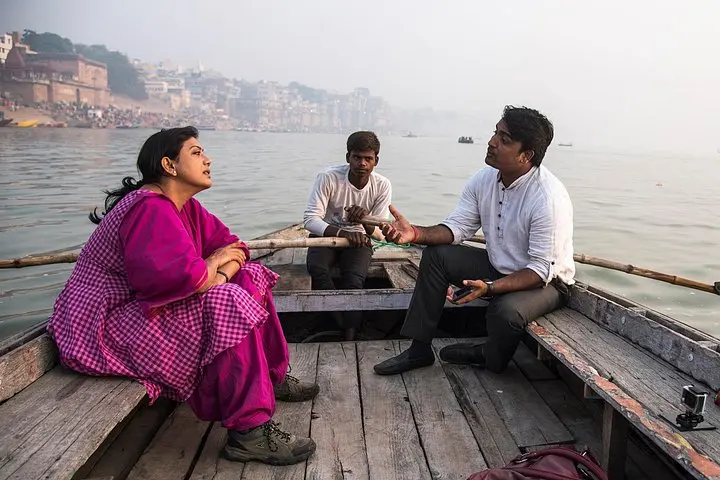
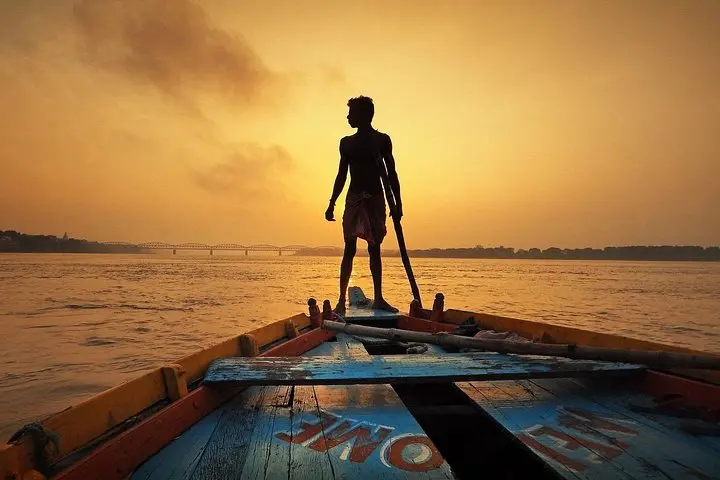
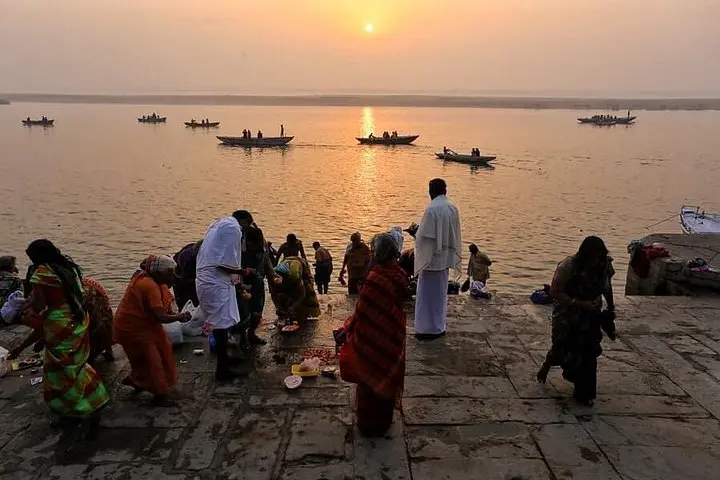
Before the sun clears the rim of the eastern sky, the Ganges is already at work—lifting mist off its surface and drawing pilgrims toward the stone steps of the ghats. A narrow, hand-rowed boat slips away from Munshi Ghat and the city’s colors unroll along the riverbank: saffron robes, smoke from incense, and the measured chant of morning prayer.
Verified experiences and guided adventures in the surrounding area.
Operated by Kashi Journeys · Varanasi, Uttar Pradesh
Before the sun clears the rim of the eastern sky, the Ganges is already at work—lifting mist off its surface and drawing pilgrims toward the stone steps of the ghats. A narrow, hand-rowed boat slips away from Munshi Ghat and the city’s colors unroll along the riverbank: saffron robes, smoke from incense, and the measured chant of morning prayer.
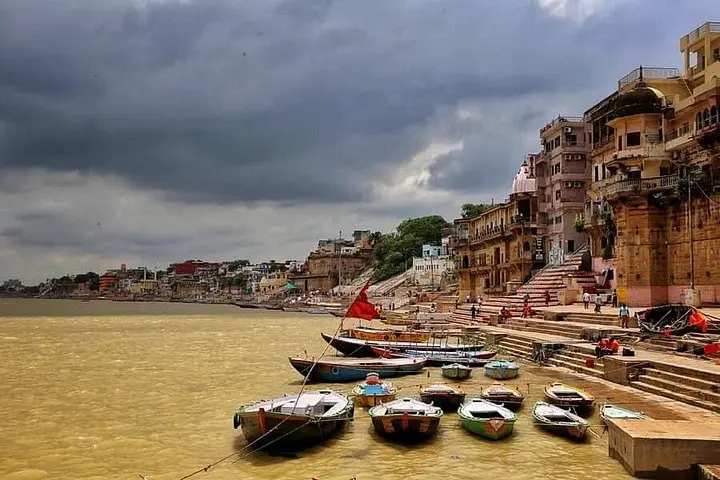
Varanasi is one of the world’s oldest continually inhabited cities, and its ghats are layered with history: medieval palaces, 18th–19th century ghats rebuilt by local rulers, and cremation grounds that have marked rites of passage for centuries. Geologically the river flows across the fertile Indo-Gangetic plain, carrying silt that keeps the banks soft and ever-changing; the water seems to decide the city’s edge anew every season.
Culturally, the Ganga Aarti at Dasashwamedh is the ritual climax—priests in saffron weaving flames and incense into choreographed offerings while the river takes the light. The boat gives perspective: you’ll watch daily life from the water—bathers, washermen, and sadhus—while learning why the river is living deity, highway, and graveyard all at once.
Practical guidance: book a predawn slot for the best light and calm water; bring layered clothing (early mornings are cool), sun protection, and modest attire for ghat visits. Photography is fine, but avoid taking close images at cremation ghats and respect signs. Keep valuables dry and follow your rower’s instructions—current and boat traffic can change quickly. This morning ride is compact—rich in sensory detail and accessible for most travelers who want a direct encounter with Varanasi’s river life.
Tours typically last 2–3 hours including the Aarti viewing and a downstream/upstream loop past major ghats.
Yes—most sunrise boat tours time arrival so you can witness the Aarti from the river or disembark near Dasashwamedh for closer views.
Children are allowed but infants must sit on an adult’s lap; boats are small, so consider safety and motion sensitivity.
Most hand-rowed boats require stepping down to the waterline and are not wheelchair accessible, though some operators offer limited accessible options—confirm before booking.
Kashi Journeys operates guided outdoor trips and adventures with an emphasis on safety, stewardship, and memorable experiences.
Before the sun clears the rim of the eastern sky, the Ganges is already at work—lifting mist off its surface and drawing pilgrims toward the stone steps of the ghats. A narrow, hand-rowed boat slips away from Munshi Ghat and the city’s colors unroll along the riverbank: saffron robes, smoke from incense, and the measured chant of morning prayer.
Before the sun clears the rim of the eastern sky, the Ganges is already at work—lifting mist off its surface and drawing pilgrims toward the stone steps of the ghats. A narrow, hand-rowed boat slips away from Munshi Ghat and the city’s colors unroll along the riverbank: saffron robes, smoke from incense, and the measured chant of morning prayer.
Varanasi is one of the world’s oldest continually inhabited cities, and its ghats are layered with history: medieval palaces, 18th–19th century ghats rebuilt by local rulers, and cremation grounds that have marked rites of passage for centuries. Geologically the river flows across the fertile Indo-Gangetic plain, carrying silt that keeps the banks soft and ever-changing; the water seems to decide the city’s edge anew every season.
Culturally, the Ganga Aarti at Dasashwamedh is the ritual climax—priests in saffron weaving flames and incense into choreographed offerings while the river takes the light. The boat gives perspective: you’ll watch daily life from the water—bathers, washermen, and sadhus—while learning why the river is living deity, highway, and graveyard all at once.
Practical guidance: book a predawn slot for the best light and calm water; bring layered clothing (early mornings are cool), sun protection, and modest attire for ghat visits. Photography is fine, but avoid taking close images at cremation ghats and respect signs. Keep valuables dry and follow your rower’s instructions—current and boat traffic can change quickly. This morning ride is compact—rich in sensory detail and accessible for most travelers who want a direct encounter with Varanasi’s river life.