THE ADVENTURE COLLECTIVE® · Independent discovery and booking for outdoor travel

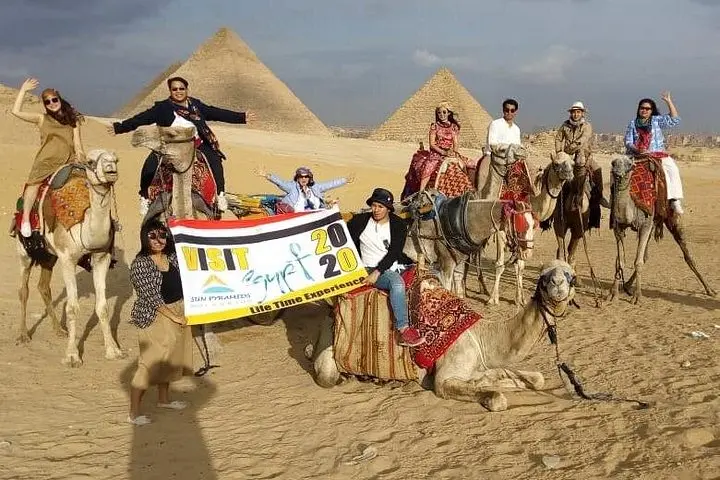
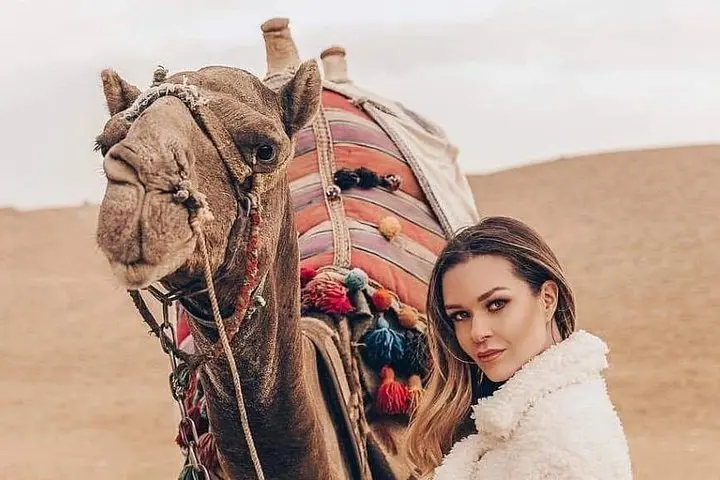
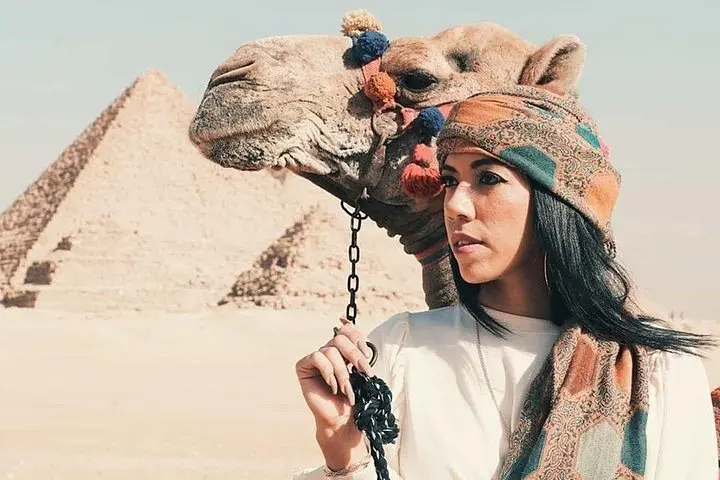
Ride a camel or horse for two hours around the Giza Pyramids at sunrise or sunset. This guided experience brings close-up views of the Great Pyramids, the Sphinx, and the wind-carved desert—ideal for photographers and first-time riders.
Ride a camel or horse for two hours around the Giza Pyramids at sunrise or sunset. This guided experience brings close-up views of the Great Pyramids, the Sphinx, and the wind-carved desert—ideal for photographers and first-time riders.
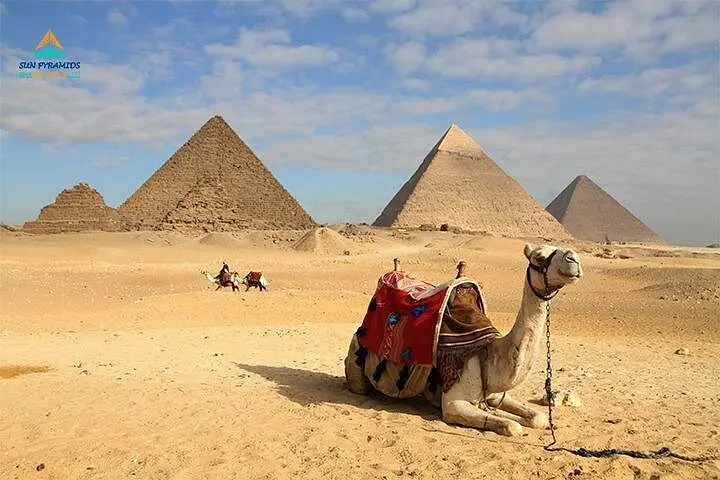
The desert breathes cold air before dawn and warms like a hand across your shoulders as the sun rises over the stone shoulders of Cheops, Chephren and Mykerinus. Mount a camel or a horse and move slowly across sand that still remembers the footsteps of millennia; the ride brings the pyramids into a steady, imposing frame as dust and light trade places.
Verified experiences and guided adventures in the surrounding area.
Operated by Sun Pyramids Vip Tours · Giza, Cairo Governorate
The desert breathes cold air before dawn and warms like a hand across your shoulders as the sun rises over the stone shoulders of Cheops, Chephren and Mykerinus. Mount a camel or a horse and move slowly across sand that still remembers the footsteps of millennia; the ride brings the pyramids into a steady, imposing frame as dust and light trade places.
Giza is both a geological plain of wind-sculpted dunes and a cultural crossroads where Ancient Egypt meets modern Cairo. These pyramids were built from limestone quarried locally and set as tombs and monuments more than 4,500 years ago; today the plateau holds living tradition—camel handlers, equestrian guides, and vendors who have worked here for generations.
Expect close views of pyramid faces, the Sphinx silhouette, and a landscape that can flip from glassy calm at sunrise to wind-scattered grit by midday. Local guides will lead animals, handle mounting, and account for basic safety; bottled water and transfers are typically included with organized tours.
Practical tips: schedule a sunrise or sunset slot for cooler temperatures and better photos, wear closed-toe shoes for mountings, and bring layered sun protection. Be ready for slow, uneven terrain and follow the guide’s instructions when mounting or dismounting. Respect handlers and the animals—ask about their care if you're concerned—and carry small change for tips. Whether you choose camel or horse, the ride is short, cinematic, and rooted in one of the world’s oldest places; it’s best approached with curiosity, sensible gear, and a tolerance for tourist rhythms.
Yes—rides around Giza are generally short and guided; handlers assist with mounting and control animals, but children should be supervised and may have weight or age limits depending on the operator.
Most organized tours include hotel pickup/drop-off and bottled water—confirm at booking for pickups from airports or distant suburbs which may incur extra fees.
Dress modestly by local standards, wear closed-toe shoes for stability, and pack sun protection; layers help if you book a cold pre-dawn session.
Animal welfare varies; reputable operators limit riding times, provide rest and water, and work with experienced handlers—ask your tour provider about their care practices before booking.
Sun Pyramids Vip Tours operates guided outdoor trips and adventures with an emphasis on safety, stewardship, and memorable experiences.
The desert breathes cold air before dawn and warms like a hand across your shoulders as the sun rises over the stone shoulders of Cheops, Chephren and Mykerinus. Mount a camel or a horse and move slowly across sand that still remembers the footsteps of millennia; the ride brings the pyramids into a steady, imposing frame as dust and light trade places.
The desert breathes cold air before dawn and warms like a hand across your shoulders as the sun rises over the stone shoulders of Cheops, Chephren and Mykerinus. Mount a camel or a horse and move slowly across sand that still remembers the footsteps of millennia; the ride brings the pyramids into a steady, imposing frame as dust and light trade places.
Giza is both a geological plain of wind-sculpted dunes and a cultural crossroads where Ancient Egypt meets modern Cairo. These pyramids were built from limestone quarried locally and set as tombs and monuments more than 4,500 years ago; today the plateau holds living tradition—camel handlers, equestrian guides, and vendors who have worked here for generations.
Expect close views of pyramid faces, the Sphinx silhouette, and a landscape that can flip from glassy calm at sunrise to wind-scattered grit by midday. Local guides will lead animals, handle mounting, and account for basic safety; bottled water and transfers are typically included with organized tours.
Practical tips: schedule a sunrise or sunset slot for cooler temperatures and better photos, wear closed-toe shoes for mountings, and bring layered sun protection. Be ready for slow, uneven terrain and follow the guide’s instructions when mounting or dismounting. Respect handlers and the animals—ask about their care if you're concerned—and carry small change for tips. Whether you choose camel or horse, the ride is short, cinematic, and rooted in one of the world’s oldest places; it’s best approached with curiosity, sensible gear, and a tolerance for tourist rhythms.