THE ADVENTURE COLLECTIVE® · Independent discovery and booking for outdoor travel

Ride a camel or horse around the Giza Pyramids at sunrise or sunset for an intimate hour on the plateau. This short tour pairs standout photo opportunities with practical guidance on timing, safety and what to bring.
Ride a camel or horse around the Giza Pyramids at sunrise or sunset for an intimate hour on the plateau. This short tour pairs standout photo opportunities with practical guidance on timing, safety and what to bring.
The sun lifts off the Nile horizon and the plateau sharpens into shadow and gold. Riders mount camels or horses and move in deliberate rhythm across the plateau, the stones of the Great Pyramid tightening the view while the Sphinx watches with quiet age. The animals set the pace; the desert wind pushes forward, skimming sand across ancient pathways.
Verified experiences and guided adventures in the surrounding area.
The sun lifts off the Nile horizon and the plateau sharpens into shadow and gold. Riders mount camels or horses and move in deliberate rhythm across the plateau, the stones of the Great Pyramid tightening the view while the Sphinx watches with quiet age. The animals set the pace; the desert wind pushes forward, skimming sand across ancient pathways.
The Giza Plateau dates to Egypt’s Old Kingdom, where the three major pyramids were constructed as monumental tombs roughly 4,500 years ago. Geology here is compacted limestone and wind-blown sand; underfoot the terrain alternates between packed, uneven stone and softer dunes. The area is part cultural showcase, part working landscape — local handlers and their animals have guided visitors for generations, and small, informal vendors cluster near the main approaches.
Practical side: tours commonly offer one-hour rides timed for sunrise or sunset when light is best and heat is lowest; the full experience typically spans up to three hours including meeting, transfers, and brief photo stops. Expect no technical demands beyond basic balance and ability to mount/dismount; wear long pants, closed-toe shoes, sunscreen and bring water. Respect designated paths and your handler’s instructions — animals are managed by handlers and can be unpredictable if startled.
Photography opportunities are immediate and intimate: silhouettes against the pyramids, long desert vistas and close views of limestone casing stones. For a short, elemental experience at one of the world’s oldest archaeological landscapes, the ride delivers history, motion and clear practical rhythms to plan around.
No—handlers manage mounts and rides are paced for novices; basic balance and ability to follow instructions are sufficient.
Most short rides do not include official pyramid entry tickets; confirm with the operator whether site admission is included or paid separately.
Operators often let you choose when available, but selection depends on the day and animal availability; state your preference when booking.
Children are permitted but may have age or weight limits; children should be supervised and fit securely in the saddle—check the operator’s policy.
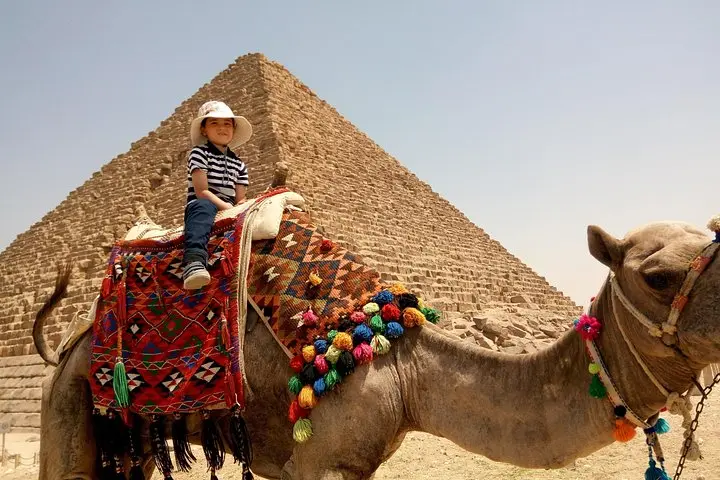
The sun lifts off the Nile horizon and the plateau sharpens into shadow and gold. Riders mount camels or horses and move in deliberate rhythm across the plateau, the stones of the Great Pyramid tightening the view while the Sphinx watches with quiet age. The animals set the pace; the desert wind pushes forward, skimming sand across ancient pathways.
The sun lifts off the Nile horizon and the plateau sharpens into shadow and gold. Riders mount camels or horses and move in deliberate rhythm across the plateau, the stones of the Great Pyramid tightening the view while the Sphinx watches with quiet age. The animals set the pace; the desert wind pushes forward, skimming sand across ancient pathways.
The Giza Plateau dates to Egypt’s Old Kingdom, where the three major pyramids were constructed as monumental tombs roughly 4,500 years ago. Geology here is compacted limestone and wind-blown sand; underfoot the terrain alternates between packed, uneven stone and softer dunes. The area is part cultural showcase, part working landscape — local handlers and their animals have guided visitors for generations, and small, informal vendors cluster near the main approaches.
Practical side: tours commonly offer one-hour rides timed for sunrise or sunset when light is best and heat is lowest; the full experience typically spans up to three hours including meeting, transfers, and brief photo stops. Expect no technical demands beyond basic balance and ability to mount/dismount; wear long pants, closed-toe shoes, sunscreen and bring water. Respect designated paths and your handler’s instructions — animals are managed by handlers and can be unpredictable if startled.
Photography opportunities are immediate and intimate: silhouettes against the pyramids, long desert vistas and close views of limestone casing stones. For a short, elemental experience at one of the world’s oldest archaeological landscapes, the ride delivers history, motion and clear practical rhythms to plan around.