THE ADVENTURE COLLECTIVE® · Independent discovery and booking for outdoor travel

Watch the pyramids turn from silhouette to gold on a private sunrise camel ride across the Giza Plateau. This short, sensory tour pairs easy desert riding with local history and practical guidance for first-time visitors.
Watch the pyramids turn from silhouette to gold on a private sunrise camel ride across the Giza Plateau. This short, sensory tour pairs easy desert riding with local history and practical guidance for first-time visitors.
You arrive on the plateau while the desert is still cooling from night; the pyramids are silhouettes against a pale ribbon of gold as your camel stands patient, swaying like a slow metronome. The ground smells faintly of dust and warm stone, and the city of Cairo hums somewhere behind the horizon while the plateau dares you to keep watch.
Verified experiences and guided adventures in the surrounding area.
Operated by Koki Egypt Travel · Giza, Giza Governorate
You arrive on the plateau while the desert is still cooling from night; the pyramids are silhouettes against a pale ribbon of gold as your camel stands patient, swaying like a slow metronome. The ground smells faintly of dust and warm stone, and the city of Cairo hums somewhere behind the horizon while the plateau dares you to keep watch.
The Giza Plateau is the stage for two shallow millennia of human engineering — the Great Pyramid dates to around 2560 BCE — and the limestone bedrock beneath your feet tells a quieter geological story of ancient seas and compacted sediments. Locals working the tourist circuit mix oral history with archaeological fact; guides will point out funerary causeways, satellite pyramids and the sculpted face of the Sphinx nearby.
Expect a gentle, low-impact ride across sandy tracks and compacted earth rather than strenuous trekking. The tour often pairs the ride with narration about pyramid construction, Bedouin life, and modern Cairo’s relationship with its ancient outskirts.
Practically: rise before dawn for the best light and smaller crowds, carry water and a layered jacket for wind off the plateau, and wear closed-toe shoes to mount and dismount comfortably. Entry to the interior of pyramids usually requires a separate ticket; confirm whether your package includes plateau entry. Respect site rules — avoid climbing on monuments, dispose of trash with guides, and tip handlers for attentive camel care.
This experience blends a cinematic sunrise, accessible adventure, and a direct link to one of history’s largest human projects — ideal for travelers who want immediacy and context in one short, memorable outing.
Not always; camel rides typically cover the plateau area and a photo stop, while interior pyramid entry requires separate tickets—confirm with your operator.
Yes; the tour is described as easy and suitable for most fitness levels, but it’s not recommended for pregnant travelers or those with spinal or serious heart conditions.
The advertised experience runs about four hours and usually includes private A/C pickup and drop-off from Cairo or Giza hotels.
Reputable operators use trained handlers and maintain basic animal care; ask about rest periods, feed, and handling practices and tip handlers for good care.
Koki Egypt Travel operates guided outdoor trips and adventures with an emphasis on safety, stewardship, and memorable experiences.
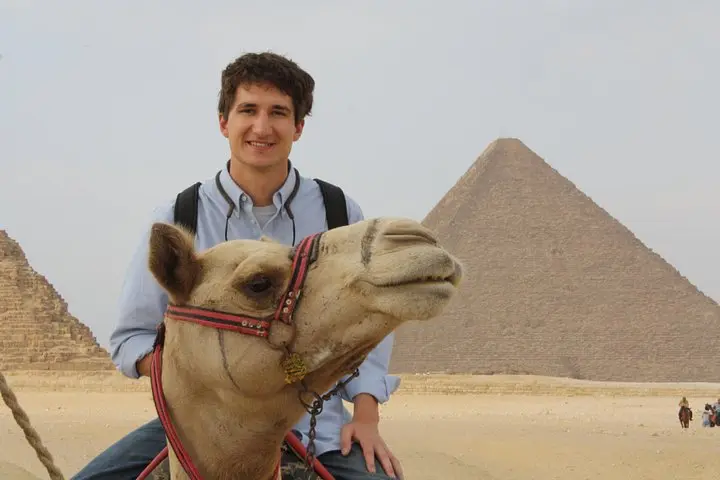
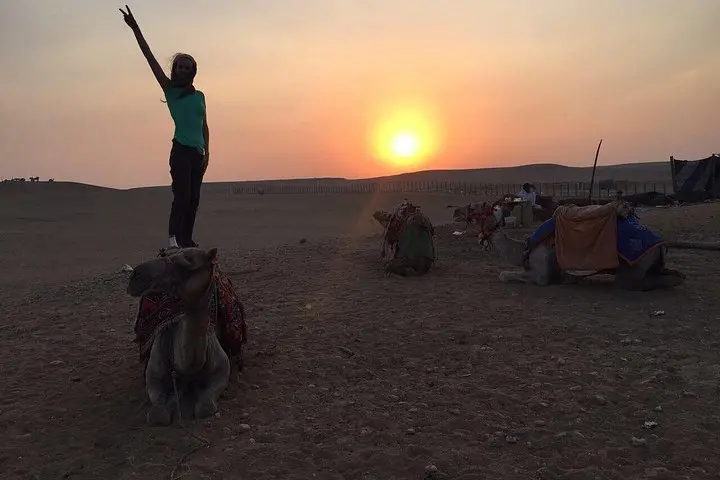
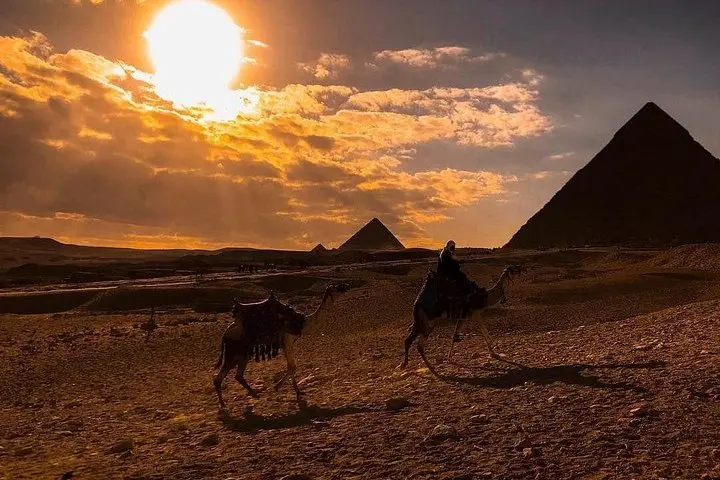
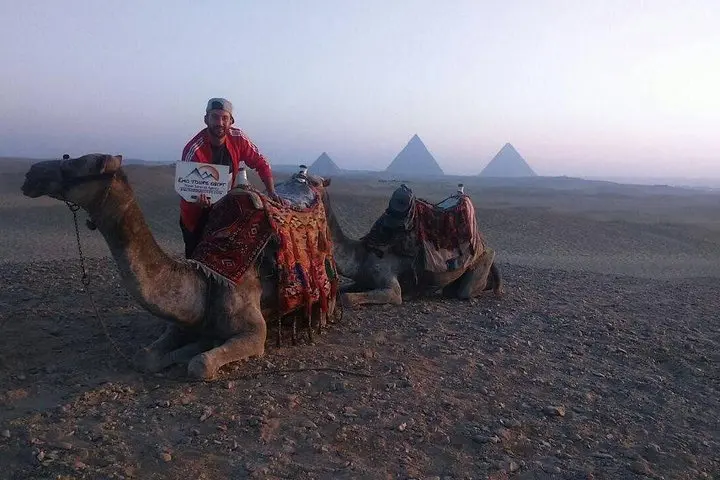
You arrive on the plateau while the desert is still cooling from night; the pyramids are silhouettes against a pale ribbon of gold as your camel stands patient, swaying like a slow metronome. The ground smells faintly of dust and warm stone, and the city of Cairo hums somewhere behind the horizon while the plateau dares you to keep watch.
You arrive on the plateau while the desert is still cooling from night; the pyramids are silhouettes against a pale ribbon of gold as your camel stands patient, swaying like a slow metronome. The ground smells faintly of dust and warm stone, and the city of Cairo hums somewhere behind the horizon while the plateau dares you to keep watch.
The Giza Plateau is the stage for two shallow millennia of human engineering — the Great Pyramid dates to around 2560 BCE — and the limestone bedrock beneath your feet tells a quieter geological story of ancient seas and compacted sediments. Locals working the tourist circuit mix oral history with archaeological fact; guides will point out funerary causeways, satellite pyramids and the sculpted face of the Sphinx nearby.
Expect a gentle, low-impact ride across sandy tracks and compacted earth rather than strenuous trekking. The tour often pairs the ride with narration about pyramid construction, Bedouin life, and modern Cairo’s relationship with its ancient outskirts.
Practically: rise before dawn for the best light and smaller crowds, carry water and a layered jacket for wind off the plateau, and wear closed-toe shoes to mount and dismount comfortably. Entry to the interior of pyramids usually requires a separate ticket; confirm whether your package includes plateau entry. Respect site rules — avoid climbing on monuments, dispose of trash with guides, and tip handlers for attentive camel care.
This experience blends a cinematic sunrise, accessible adventure, and a direct link to one of history’s largest human projects — ideal for travelers who want immediacy and context in one short, memorable outing.