THE ADVENTURE COLLECTIVE® · Independent discovery and booking for outdoor travel

Ride a camel across the Giza Plateau at sunrise for close-up views of the Great Pyramid and the Sphinx. This 90-minute experience pairs short, steady camel treks with local interpretation and photo stops.
Ride a camel across the Giza Plateau at sunrise for close-up views of the Great Pyramid and the Sphinx. This 90-minute experience pairs short, steady camel treks with local interpretation and photo stops.
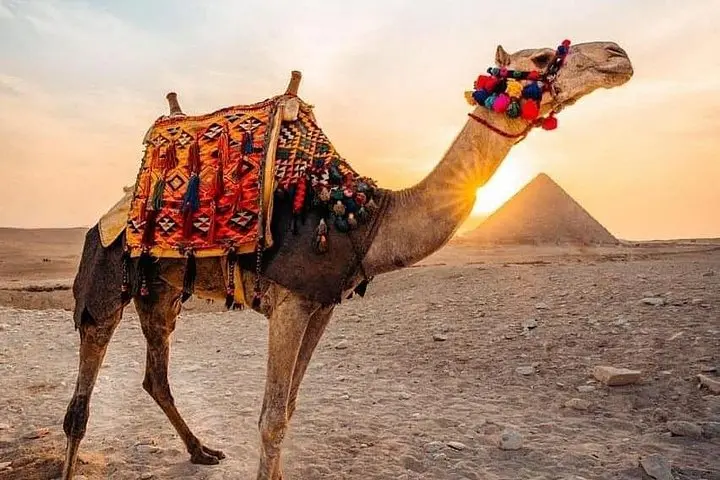
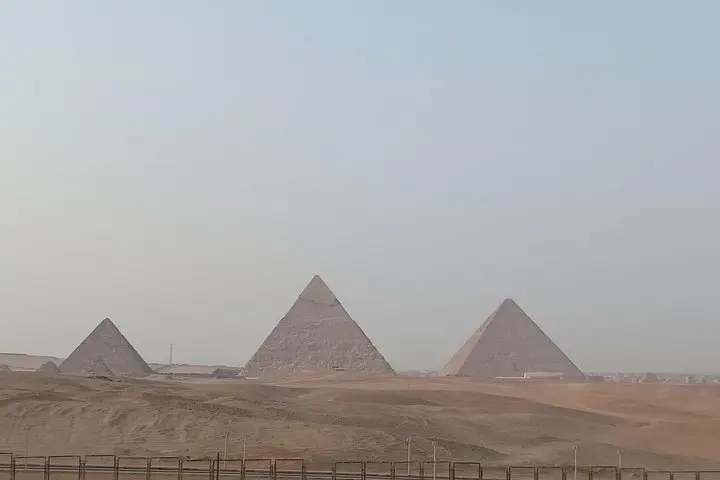
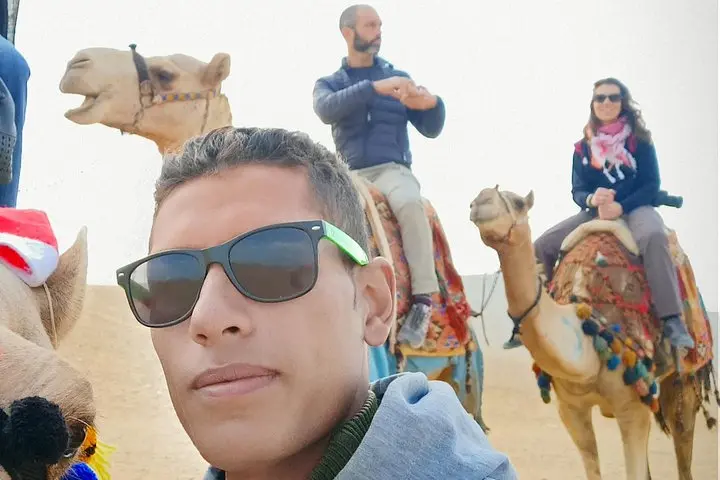
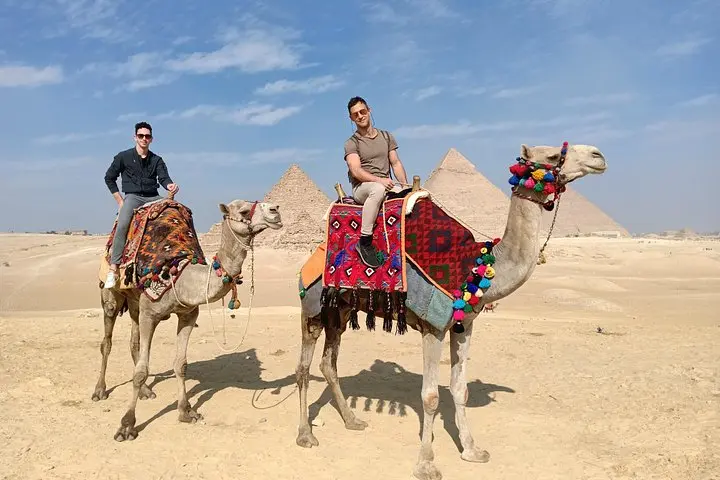
Before the sun clears the rim of the desert, the pyramids stand like slow-moving giants, their faces catching first light as camels shift and breathe in the sand-scented air. You climb a broad, steady-backed camel for a brief trek across the plateau, the city of Cairo framed low on the horizon while the Great Pyramid holds its quiet, ancient geometry close.
Verified experiences and guided adventures in the surrounding area.
Operated by Pyramids Camel Ride · Giza, Giza Governorate
Before the sun clears the rim of the desert, the pyramids stand like slow-moving giants, their faces catching first light as camels shift and breathe in the sand-scented air. You climb a broad, steady-backed camel for a brief trek across the plateau, the city of Cairo framed low on the horizon while the Great Pyramid holds its quiet, ancient geometry close.
The Giza Plateau is a human-made landscape of the Old Kingdom: stone ramps, quarry scars and burial chambers from roughly 2600–2500 BCE. Geology here is raw — wind-polished limestone and calcite layers that record millennia of shifting sands — and culture is immediate, with Bedouin and local guides shaping the modern gateway to pharaonic history.
Expect a short, interpretive ride: guides point out burial fields, solar alignments and practical details about how the pyramids were built. The animals will set the pace; camels move in a loping rhythm that forces you to slow down and look. Photography windows are frequent and brief, and a resting stop gives time to take in the scale.
Practical guidance: dress for sun and dust — long sleeves, a brimmed hat and sturdy closed-toe shoes. Bring bottled water and a light scarf for dust. The ride is suitable for most travelers but not recommended if pregnant or with spinal issues; operators typically limit bookings to one ticket per customer and offer wheelchair-accessible meeting points. Aim for sunrise to avoid heat and crowds, and follow your guide’s instructions about where to dismount and where not to touch the stones.
The tour runs about 90 minutes total, including the camel trek, explanations from a guide, and short rest/photo stops.
Children and infants can participate; infants must sit on an adult’s lap and specialized infant seats may be available—confirm when booking.
Reputable operators use experienced handlers; follow guide instructions for mounting and dismounting and avoid sudden movements around the animals.
For a full refund, cancel at least 24 hours before the scheduled departure; cancellations within 24 hours are non-refundable.
Pyramids Camel Ride operates guided outdoor trips and adventures with an emphasis on safety, stewardship, and memorable experiences.
Before the sun clears the rim of the desert, the pyramids stand like slow-moving giants, their faces catching first light as camels shift and breathe in the sand-scented air. You climb a broad, steady-backed camel for a brief trek across the plateau, the city of Cairo framed low on the horizon while the Great Pyramid holds its quiet, ancient geometry close.
Before the sun clears the rim of the desert, the pyramids stand like slow-moving giants, their faces catching first light as camels shift and breathe in the sand-scented air. You climb a broad, steady-backed camel for a brief trek across the plateau, the city of Cairo framed low on the horizon while the Great Pyramid holds its quiet, ancient geometry close.
The Giza Plateau is a human-made landscape of the Old Kingdom: stone ramps, quarry scars and burial chambers from roughly 2600–2500 BCE. Geology here is raw — wind-polished limestone and calcite layers that record millennia of shifting sands — and culture is immediate, with Bedouin and local guides shaping the modern gateway to pharaonic history.
Expect a short, interpretive ride: guides point out burial fields, solar alignments and practical details about how the pyramids were built. The animals will set the pace; camels move in a loping rhythm that forces you to slow down and look. Photography windows are frequent and brief, and a resting stop gives time to take in the scale.
Practical guidance: dress for sun and dust — long sleeves, a brimmed hat and sturdy closed-toe shoes. Bring bottled water and a light scarf for dust. The ride is suitable for most travelers but not recommended if pregnant or with spinal issues; operators typically limit bookings to one ticket per customer and offer wheelchair-accessible meeting points. Aim for sunrise to avoid heat and crowds, and follow your guide’s instructions about where to dismount and where not to touch the stones.