THE ADVENTURE COLLECTIVE® · Independent discovery and booking for outdoor travel

Climb Mount Sinai by headlamp to catch sunrise, then visit the 6th‑century St. Catherine’s Monastery. This overnight-from-Sharm tour mixes a challenging pre-dawn hike with a cultural visit to one of Christianity’s oldest monastic sites.
Climb Mount Sinai by headlamp to catch sunrise, then visit the 6th‑century St. Catherine’s Monastery. This overnight-from-Sharm tour mixes a challenging pre-dawn hike with a cultural visit to one of Christianity’s oldest monastic sites.
Night thickens over the Sinai as a minivan eases out of Sharm El Sheikh; headlamps bob like low stars and the highway falls away into black sand. By the time you reach the base of Jabal Musa (Mount Sinai) the world is mostly outlines — rocky ridges, the stone steps that cut the mountain, and the faint glow of other climbers moving upward. The last leg to the summit is done by torchlight and steady breathing, arriving in time to watch dawn edge the horizon and throw long shadows across the desert.
Verified experiences and guided adventures in the surrounding area.
Operated by Etro tours · Saint Catherine, South Sinai Governorate
Night thickens over the Sinai as a minivan eases out of Sharm El Sheikh; headlamps bob like low stars and the highway falls away into black sand. By the time you reach the base of Jabal Musa (Mount Sinai) the world is mostly outlines — rocky ridges, the stone steps that cut the mountain, and the faint glow of other climbers moving upward. The last leg to the summit is done by torchlight and steady breathing, arriving in time to watch dawn edge the horizon and throw long shadows across the desert.
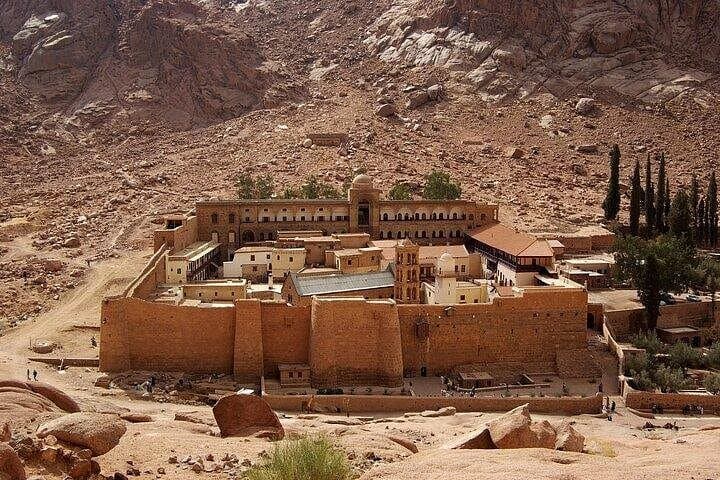
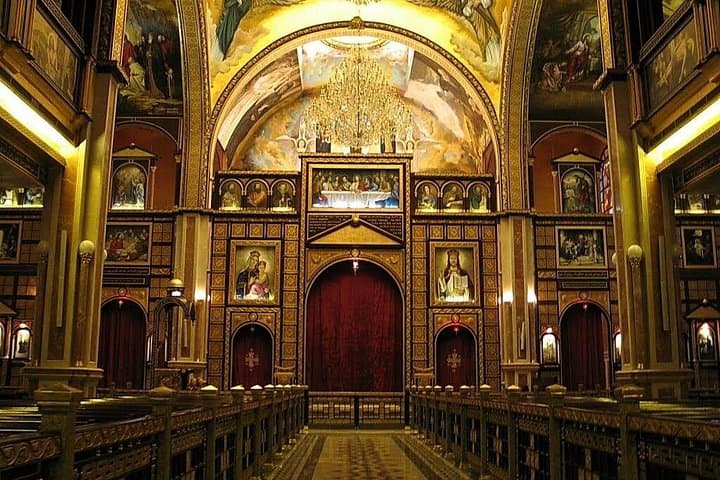
This route threads history and geology: the mountain of granite and Precambrian bedrock rose under tectonic pressure, a hard, angular place that became a center for millennia of pilgrimage. Below, St. Catherine’s Monastery — founded in the 6th century — houses illuminated manuscripts and a continuous monastic presence that links Byzantine, Coptic, and Bedouin stories.
Local life is practical and close to the land; Bedouin guides and camel drivers still work these passes, and the nearby town of Saint Catherine is a quiet service hub for travelers.
Practical guidance: expect a 3–4 hour round-trip hike (roughly 700–800 m of elevation gain from the monastery), steep stone steps in parts, and temperatures that drop sharply after midnight. Bring a reliable headlamp, 1.5–2 L of water, warm layers for the summit, and sturdy boots with good grip. Move deliberately on the steps, keep a slower pace in the dark, and allow time after sunrise to tour the monastery’s courtyard and museum. Permits and entrance fees are usually handled by the tour; if you rent a camel for part of the climb, confirm the round-trip price and agreed drop-off point beforehand.
From the monastery area to the summit plan on 2–3 hours ascending and 1–2 hours descending; the path includes long stair sections and rocky switchbacks.
Yes — camel rides are commonly offered to reach the base, but verify price and turnaround with the operator; camels do not usually go to the very summit.
Most tours include time to tour St. Catherine’s Monastery after the hike; opening hours can vary, so guided tours typically coordinate access and entrance fees.
This trip involves stairs and uneven terrain; travelers with spinal or severe mobility issues are advised not to attempt the climb and should discuss alternatives with the operator.
Etro tours operates guided outdoor trips and adventures with an emphasis on safety, stewardship, and memorable experiences.
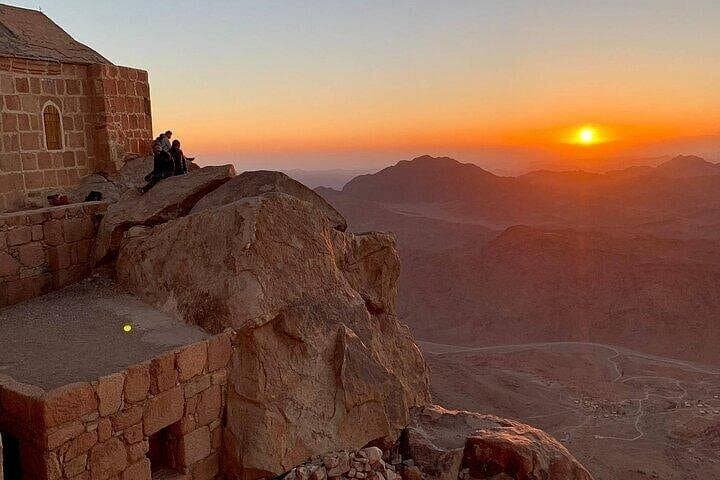
Night thickens over the Sinai as a minivan eases out of Sharm El Sheikh; headlamps bob like low stars and the highway falls away into black sand. By the time you reach the base of Jabal Musa (Mount Sinai) the world is mostly outlines — rocky ridges, the stone steps that cut the mountain, and the faint glow of other climbers moving upward. The last leg to the summit is done by torchlight and steady breathing, arriving in time to watch dawn edge the horizon and throw long shadows across the desert.
Night thickens over the Sinai as a minivan eases out of Sharm El Sheikh; headlamps bob like low stars and the highway falls away into black sand. By the time you reach the base of Jabal Musa (Mount Sinai) the world is mostly outlines — rocky ridges, the stone steps that cut the mountain, and the faint glow of other climbers moving upward. The last leg to the summit is done by torchlight and steady breathing, arriving in time to watch dawn edge the horizon and throw long shadows across the desert.
This route threads history and geology: the mountain of granite and Precambrian bedrock rose under tectonic pressure, a hard, angular place that became a center for millennia of pilgrimage. Below, St. Catherine’s Monastery — founded in the 6th century — houses illuminated manuscripts and a continuous monastic presence that links Byzantine, Coptic, and Bedouin stories.
Local life is practical and close to the land; Bedouin guides and camel drivers still work these passes, and the nearby town of Saint Catherine is a quiet service hub for travelers.
Practical guidance: expect a 3–4 hour round-trip hike (roughly 700–800 m of elevation gain from the monastery), steep stone steps in parts, and temperatures that drop sharply after midnight. Bring a reliable headlamp, 1.5–2 L of water, warm layers for the summit, and sturdy boots with good grip. Move deliberately on the steps, keep a slower pace in the dark, and allow time after sunrise to tour the monastery’s courtyard and museum. Permits and entrance fees are usually handled by the tour; if you rent a camel for part of the climb, confirm the round-trip price and agreed drop-off point beforehand.