THE ADVENTURE COLLECTIVE® · Independent discovery and booking for outdoor travel

Rise with a sunrise balloon over Luxor and spend two days tracing pharaonic Luxor’s highlights—from Karnak’s columns to the Valley of the Kings. This overnight tour from Hurghada blends aerial perspective with on-foot exploration and an evening in a 5-star hotel.
Rise with a sunrise balloon over Luxor and spend two days tracing pharaonic Luxor’s highlights—from Karnak’s columns to the Valley of the Kings. This overnight tour from Hurghada blends aerial perspective with on-foot exploration and an evening in a 5-star hotel.
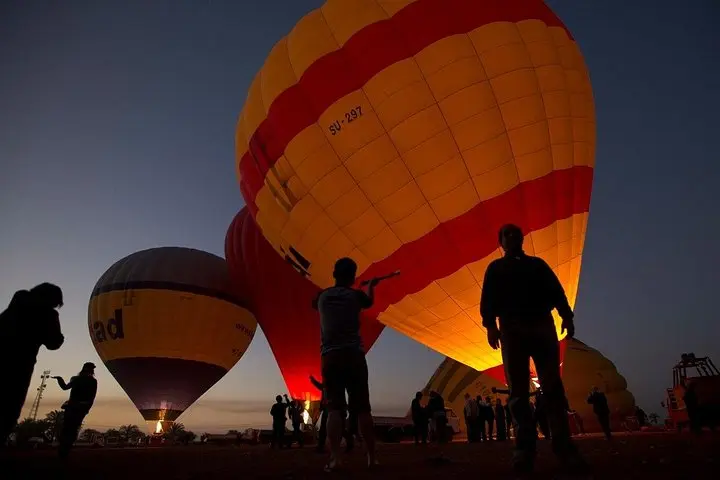
Before dawn the balloon inflates like a slow-breathing animal, and the Nile’s ribbon of light begins to pull the valley into view. From the basket you watch terraces of fields and temple roofs emerge as the sunrise gilds columns and obelisks; the river seems to dare you to follow its current back through four millennia of history.
Verified experiences and guided adventures in the surrounding area.
Operated by Get Egypt Vacation · Luxor, Luxor Governorate
Before dawn the balloon inflates like a slow-breathing animal, and the Nile’s ribbon of light begins to pull the valley into view. From the basket you watch terraces of fields and temple roofs emerge as the sunrise gilds columns and obelisks; the river seems to dare you to follow its current back through four millennia of history.
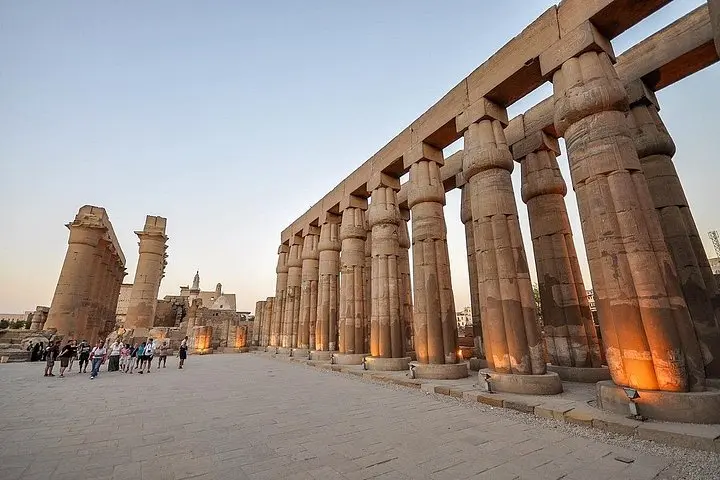
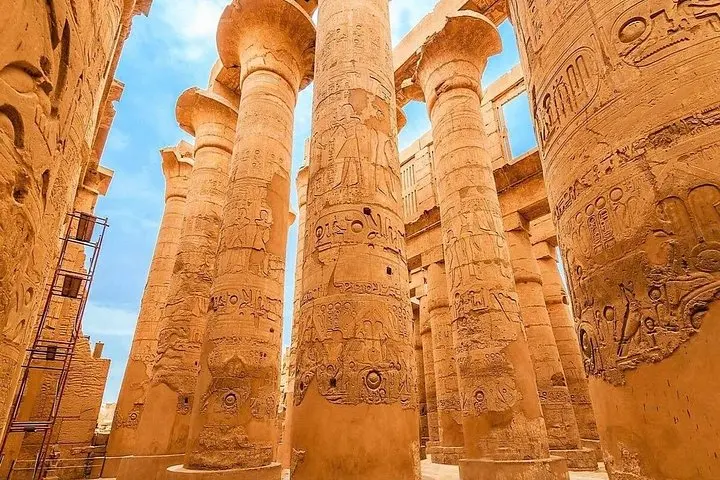
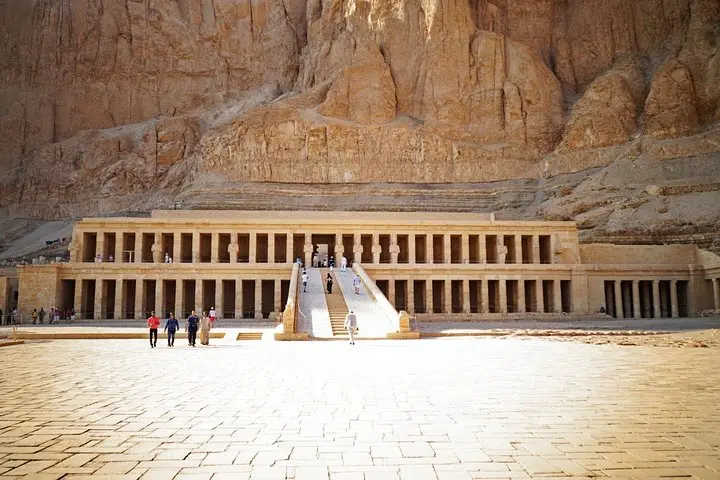
Luxor—ancient Thebes—sits on rich alluvial soil deposited by the Nile, its monuments the best-preserved chapters of Egypt’s New Kingdom: Karnak’s hypostyle hall, Luxor Temple’s avenue of sphinxes, the rock-cut tombs of the Valley of the Kings and Hatshepsut’s tiered mortuary temple on the West Bank. These sites trace pharaonic ritual, power, and monumental engineering, while modern Luxor balances tourist services, local craft markets, and riverside feluccas.
Practically: the round trip from Hurghada is roughly 290 km by road (3.5–4 hours each way), with an overnight in a 5-star hotel in Luxor. Expect an early start for the balloon—rides run at sunrise and last around 30–45 minutes—and guided walks through open-air ruins where shade is scarce and surfaces are uneven. Guides cannot enter tombs with you, and the Tutankhamun chamber commonly requires an extra fee on site.
Pack sun protection, carry cash for smaller purchases and extra tickets, and plan light layers for cool pre-dawn desert air. Hydrate well, wear sturdy walking shoes, and allow time to absorb both the quiet of sunrise above the Nile and the storytelling carved into rock below.
Rides are typically 30–45 minutes depending on conditions; expect check-in and briefings that extend the morning schedule.
Entrance fees to the mentioned sites are included per the itinerary, but some tombs such as Tutankhamun’s may require an extra fee payable on site.
The road transfer is roughly 290 km and usually takes about 3.5–4 hours each way depending on traffic and stops.
Policies vary by operator; children can usually fly but age and weight restrictions may apply—check with the provider when booking.
Get Egypt Vacation operates guided outdoor trips and adventures with an emphasis on safety, stewardship, and memorable experiences.
Before dawn the balloon inflates like a slow-breathing animal, and the Nile’s ribbon of light begins to pull the valley into view. From the basket you watch terraces of fields and temple roofs emerge as the sunrise gilds columns and obelisks; the river seems to dare you to follow its current back through four millennia of history.
Before dawn the balloon inflates like a slow-breathing animal, and the Nile’s ribbon of light begins to pull the valley into view. From the basket you watch terraces of fields and temple roofs emerge as the sunrise gilds columns and obelisks; the river seems to dare you to follow its current back through four millennia of history.
Luxor—ancient Thebes—sits on rich alluvial soil deposited by the Nile, its monuments the best-preserved chapters of Egypt’s New Kingdom: Karnak’s hypostyle hall, Luxor Temple’s avenue of sphinxes, the rock-cut tombs of the Valley of the Kings and Hatshepsut’s tiered mortuary temple on the West Bank. These sites trace pharaonic ritual, power, and monumental engineering, while modern Luxor balances tourist services, local craft markets, and riverside feluccas.
Practically: the round trip from Hurghada is roughly 290 km by road (3.5–4 hours each way), with an overnight in a 5-star hotel in Luxor. Expect an early start for the balloon—rides run at sunrise and last around 30–45 minutes—and guided walks through open-air ruins where shade is scarce and surfaces are uneven. Guides cannot enter tombs with you, and the Tutankhamun chamber commonly requires an extra fee on site.
Pack sun protection, carry cash for smaller purchases and extra tickets, and plan light layers for cool pre-dawn desert air. Hydrate well, wear sturdy walking shoes, and allow time to absorb both the quiet of sunrise above the Nile and the storytelling carved into rock below.